This is the first book dedicated to the musculoskeletal, physiological, hormonal, and other differences between the sexes as they manifest in sports medicine.
Since publication of the first edition, Spasticity: Diagnosis and Management has been the defining reference and go-to source for physicians, therapists, and other healthcare providers who care for patients with spasticity.
Built around the six core competencies for physicians practicing rehabilitation medicine as required by the ACGME, Physical Medicine and Rehabilitation Patient-Centered Care: Mastering the Competencies is a unique, self-directed text for residents.
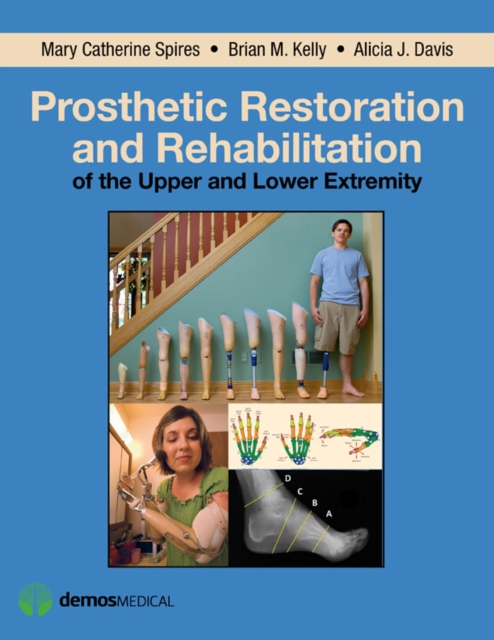
Prosthetic Restoration and Rehabilitation of the Upper and Lower Extremity is a well-illustrated, state-of-the-art reference on the science and practice of post-amputation care, prosthetic restoration, and functional rehabilitation, designed to maximize patient independence and quality of life.
Handbook of Polytrauma Care and Rehabilitation summarizes the most frequent medical and psychological problems encountered by combat survivors and patients with concurrent injuries to the brain and other body systems.
Neuromuscular Quick Pocket Reference provides easy and efficient access to common physical examination techniques and other neurological tests performed in a broad range of specialties.
The only book to combine the perspectives of both physical medicine and rehabilitation and internal medicine, this practical handbook provides physiatrists and residents in training with a concise description of common medical concerns that can disrupt or complicate therapy and rehabilitation.
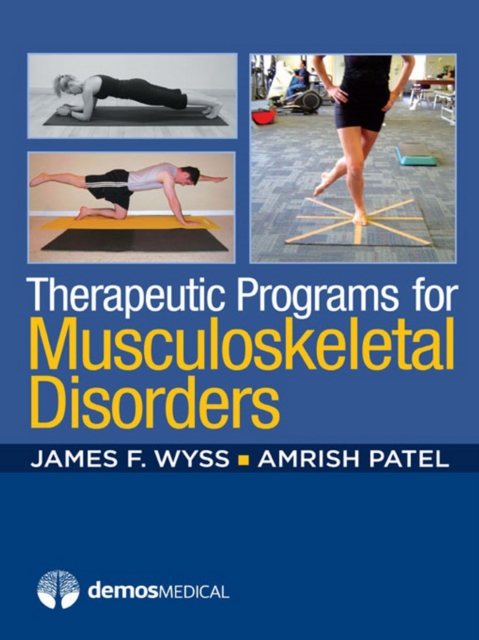
Therapeutic Programs for Musculoskeletal Disorders is a guide for musculoskeletal medicine trainees and physicians to the art and science of writing therapy prescriptions and developing individualized treatment plans.
"e;From the first to the last page, this book is so full of information that as a person working in the world of spinal cord injury, I found myself in an unfamiliar situation.
Physical Medicine and Rehabilitation Pocket Companion is designed to meet the day-to-day needs of PM&R residents, practicing physiatrists, and physicians in other specialties seeing rehabilitation patients.
Musculoskeletal, Sports, and Occupational Medicine: Rehabilitation Medicine Quick Reference provides the core knowledge the busy practitioner needs to deliver top-notch rehabilitative care to patients with musculoskeletal, sports, or occupational injuries.
Designed for the busy practitioner, Neuromuscular provides succinct coverage of the assessment and treatment of a wide spectrum of neuromuscular diseases and conditions ranging from common to extremely rare and from relatively benign to universally fatal.
Pediatrics: Rehabilitation Medicine Quick Reference presents 111 alphabetically arranged topics covering all major concerns in pediatric rehabilitation.
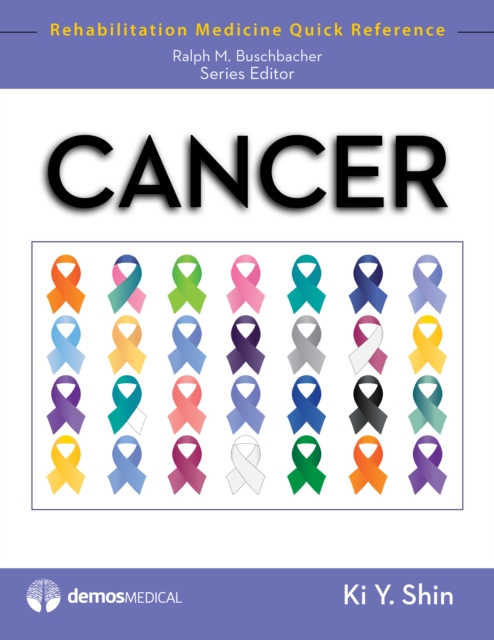
Designed for the busy practitioner, Cancer provides succinct coverage of the assessment and treatment of a multitude of rehabilitation issues as they uniquely affect cancer patients.
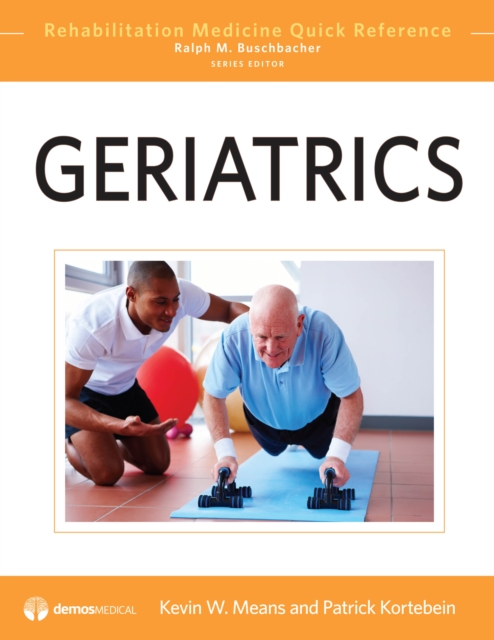
Designed for the busy practitioner, Geriatrics presents 97 alphabetically arranged topics covering all major concerns in geriatric rehabilitation ranging from age-related changes to end-of-life care.
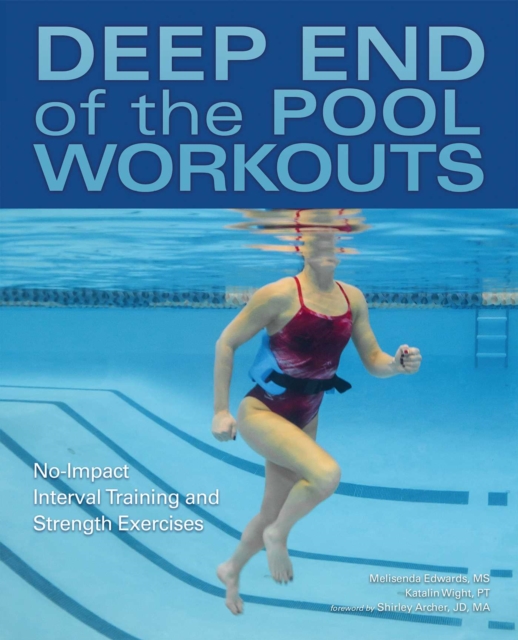
A guide to the hottest new trend in full-body, no-impact exercise-pool workouts where your feet never touch the bottomWhether you're a professional athlete or general fitness enthusiast, wouldn't you prefer a workout that's kinder to your joints while also producing amazing results?
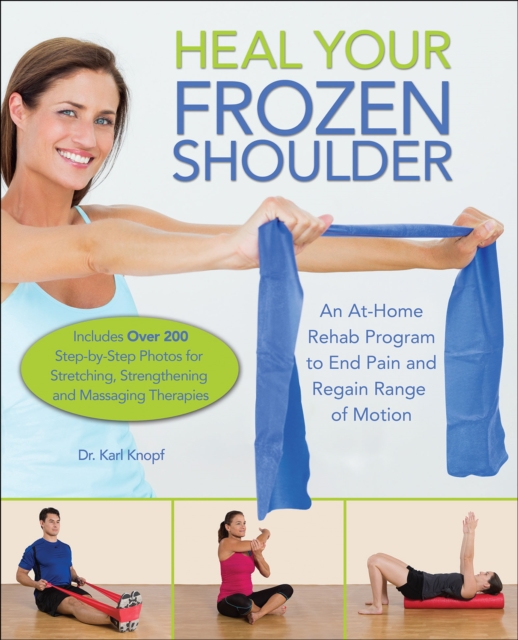
A comprehensive at-home rehab and maintenance program with stretching, strengthening, and massaging therapies-from the author of Healthy Shoulder Handbook.
This multimedia handbook and video atlas provides an interactive learning experience for practitioners who perform interventional procedures with radiographic guidance for acute or chronic pain.
Providing essential support to schools and universities that offer yoga therapy training programs, this comprehensive, edited textbook develops robust curricula, enabling them to prepare yoga therapists to integrate into healthcare settings safely and effectively.
Traumatic brain injury (TBI) is a public health issue of worldwide proportions, affecting motorists, victims of interpersonal violence, athletes, military service members, and Veterans, among others.
The opening chapter Coping with Chronic Illness takes into account the impact of the diagnosis on the family, both at the time of the communication of the diagnosis, and in the moment of chronicity, the relationships and of the social context, the coping strategies and the representation of the disease.
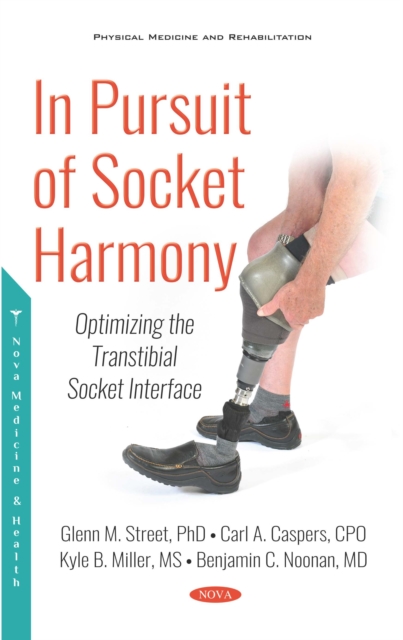
Since the advent of the first modern below-knee prosthesis (joint and lacer) in 1696, the world has seen unprecedented advances in virtually every facet of medical science, yet limb discomfort, pain, and soft tissue breakdown remain a way of life for roughly half of today's ambulatory, below-knee (transtibial) amputees.
The second generation antipsychotics are a complex class of psychiatric medications, applicable to a diverse range of both FDA approved treatment indications and off-label uses.
The relationship between poverty and child health has always been assumed but this book demonstrates how the evidence of history and of other societies establishes a causal link.
Dentists and members of the dental practice team increasingly need to know how to deal with potential risks to patients dentists staff and premises; and how to manage risk with common sense procedures.
The National Service Framework for mental health aims to provide uniformly good systems so that mental health problems are detected and therefore treated early.
'This volume comes at an important time in the development of the discipline, and reflects the knowledge gained by the authors through decades of hands-on experience of treating children and adolescents with the entire spectrum of rheumatic diseases.
Neurovision Rehabilitation Guide is a valuable resource for the health care professional working with patients with visual dysfunction as a consequence of traumatic brain injury and neurological disorders.
This book provides a wide spectrum of readers with comprehensive but easily understandable protocols for the assessment and training of wheelchair skills.
In this ground-breaking collection, leading experts in the field address the problems of parents, intervenors, and professionals who work with people who have been deafblind since birth or from a very early age.
This invaluable handbook provides a basic knowledge of muscle action and co-ordination with which students of occupational therapy can applying specific techniques to specific conditions of muscle insufficiency for the restoration of function.
Spinal Cord Injuries aims to provide information on the problems associated with the treatment and management of patients with spinal cord injuries and guidance on the appropriate methods of treatment.
The diversity of contemporary investigative approaches included in this volume provides an exciting account of our current understanding of brain mechanisms responsible for sensory and perceptual experience in the areas of touch, kinesthesia, and pain.
Work related musculoskeletal disorders (WRMSDs) are the leading cause of worker impairment, disability, compensation costs and loss of productivity in industrialized countries.