Sensory Systems: Anatomy, Physiology and Pathophysiology provides a comprehensive description of how human sensory systems function, with comparisons of the five senses and detailed descriptions of the functions of each of them.
Fascia is the biodynamic tissue that connects every muscle, bone, organ, and nerve in the body; it is an emerging field in healthcare and allied health modalities.
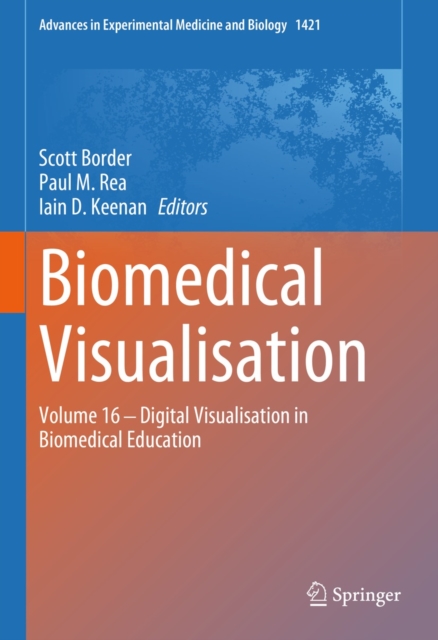
When studying medicine, healthcare, and medical sciences disciplines, learners are frequently required to visualise and understand complex three-dimensional concepts.
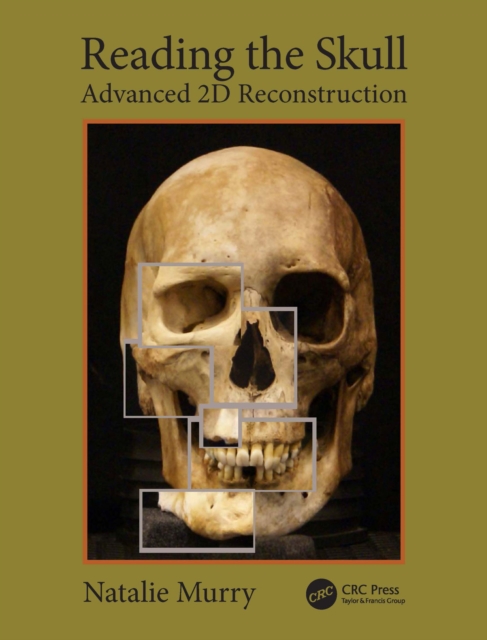
While there are a handful of introductory texts and resources on 2D drawing for facial identification and reconstruction, most often they don't go beyond this cursory presentation of the subject.
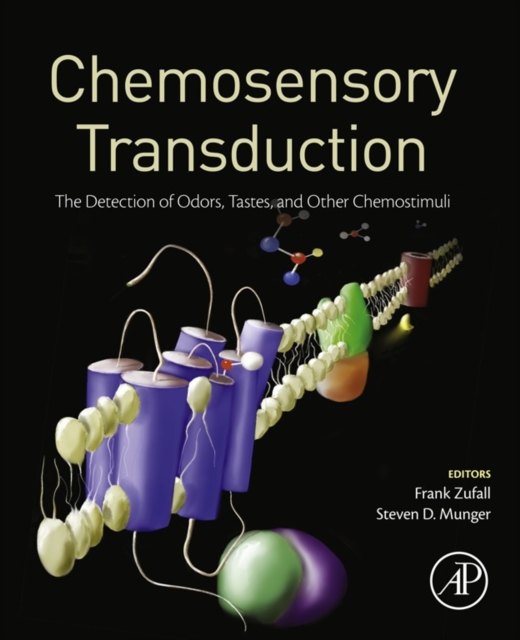
Written by leaders in the field of chemosensation, Chemosensory Transduction provides a comprehensive resource for understanding the molecular mechanisms that allow animals to detect their chemical world.
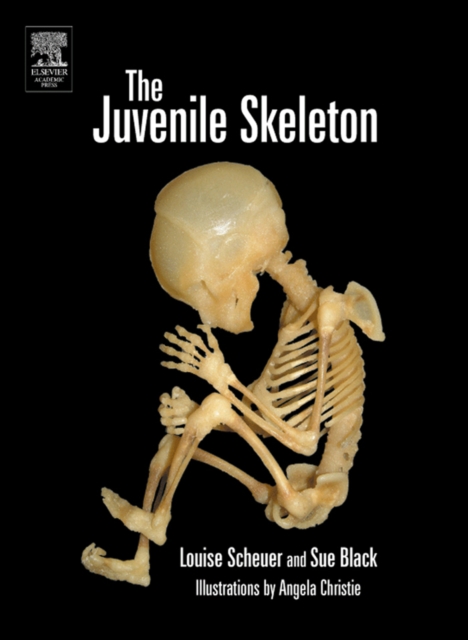
The identification of even the smallest human fetal bone can be vital to the success of a criminal investigation or to the identification of the deceased.
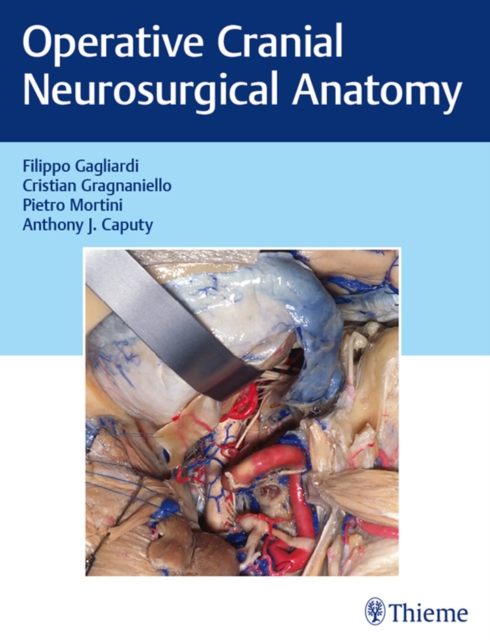
One-of-kind textbook provides comprehensive tutorial on cranial anatomy with step-by-step text and visualsDissection in the anatomical laboratory is a mandatory component of training for neurosurgeons.
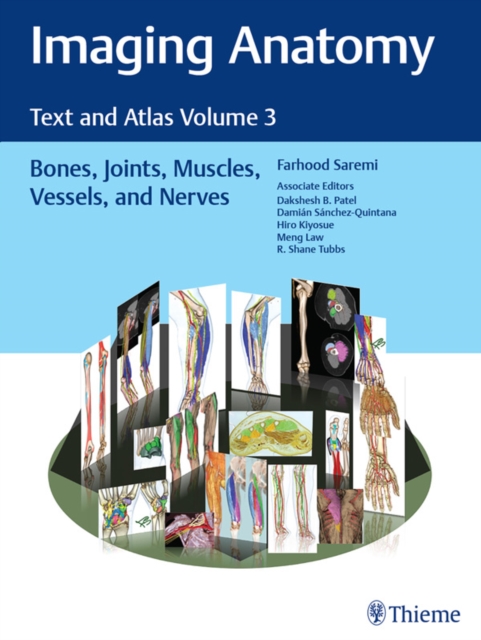
An in-depth guide to upper and lower extremity anatomy based on the latest imaging techniquesWhile the study of anatomy plays a fundamental role in the practice of medicine, most textbooks do not rely on modern imaging and post-processing methods to depict and increase its understanding.
This book explores how daily and seasonal rhythmicity is generated, how these rhythms are synchronised by our environment, and how they regulate the neuroendocrine systems that impact our physiology and behaviour.
As new techniques of transferring from liquid to gas phase and measuring masses of drug molecules and metabolites become more prevalent, so do the technical challenges of putting these techniques into proper use, as well as the task of consolidating emerging applications.
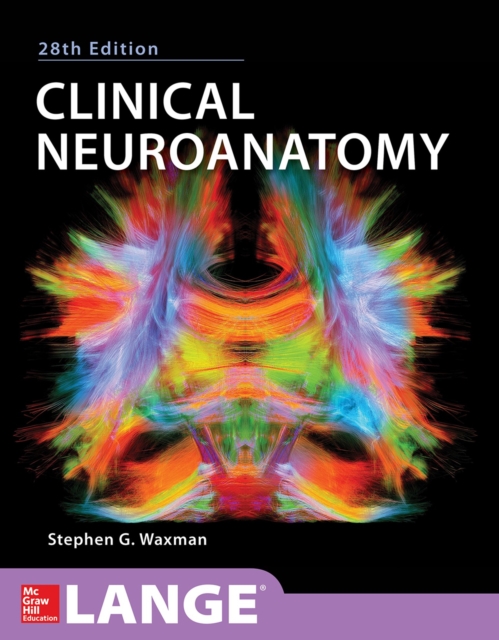
A concise, highly visual overview of neuroanatomy and its functional underpinningsClinical Neuroanatomy, Twenty-Eighth Edition offers an accessible, easy-to-remember synopsis of neuroanatomy and its functional and clinical implications.
The most authoritative, current, and beautifully illustrated histology text availableNEW clinical vignettes have been added to each chapterFull-color, easy-to-understand drawings provide just the right level of detail necessary to reinforce key concepts and facilitate comprehension and retention of text materialNEW chapter-ending multiple-choice questions review must-know materialFor more than three decades, Junqueira's Basic Histology has been unmatched in its ability to explain the function of cell and tissue structure in the human body.
This instalment of Christopher Gladwell and James Earls's two-part series on the evolution of breathing and breathwork deals with finding the 'perfect breath'.
This instalment of Christopher Gladwell and James Earls's two-part series on the evolution of breathing and breathwork deals with finding the 'perfect breath'.