The Human Hypothalamus: Neuropsychiatric Disorders, Volume 181 in the Handbook of Clinical Neurology series, provides comprehensive summaries of recent research on the brain and nervous system as they relate to clinical neurology.
Global Health Complications of Obesity presents a valuable resource for research scientists and clinicians by covering the burden of obesity and related diseases and serving as a starting point for in-depth discussions in academic settings and for obesity-treatment specialists.
Fertility, Pregnancy, and Wellness is designed to bridge science and a more holistic approach to health and wellness, in particular, dealing with female-male fertility and the gestational process.
This book provides a comprehensive overview of the multifaceted field of protease in the cellular environment and focuses on the recently elucidated functions of complex proteolytic systems in physiology and pathophysiology.
Diabetes Digital Health brings together the multifaceted information surrounding the science of digital health from an academic, regulatory, industrial, investment and cybersecurity perspective.
Diabetes and Fundus OCT brings together a stellar cast of authors who review the computer-aided diagnostic (CAD) systems developed to diagnose non-proliferative diabetic retinopathy in an automated fashion using Fundus and OCTA images.
Diabetes and Retinopathy brings together the multifaceted information about the research and clinical application from academic, clinical, bioengineering and bioinformatics perspectives.
Computer-Assisted Diagnosis: Diabetes and Cardiovascular Disease brings together multifaceted information on research and clinical applications from an academic, clinical, bioengineering and bioinformatics perspective.
Human Reproductive Genetics: Emerging Technologies and Clinical Applications presents a great reference for clinicians and researchers in reproductive medicine.
This book focuses on a development for assessing mental changes using eye pupil reactions, namely extracting emotional change from the response to evaluate the viewer's interest in visual information.
Essentials of Medical Biochemistry, Second Edition: With Clinical Cases is the most condensed, yet detailed biochemistry overview available on the topic.
Modelling Methodology for Physiology and Medicine, Second Edition, offers a unique approach and an unprecedented range of coverage of the state-of-the-art, advanced modeling methodology that is widely applicable to physiology and medicine.
Biased Signaling in Physiology, Pharmacology and Therapeutics is a unique and essential reference for the scientific community concerning how conformational-dependent activation is a common phenomenon across many classes of receptors or signaling molecules.
The Plasticity of Sex: The Molecular Biology and Clinical Features of Genomic Sex, Gender Identity and Sexual Behavior provides a comprehensive view on the development of human sexuality.
Diabetes: Oxidative Stress and Dietary Antioxidants, Second Edition, builds on the success of the first edition, covering updated research on the science of oxidative stress in diabetes and the potentially therapeutic usage of natural antioxidants in the diet and food matrix.
Herbal Medicine in Andrology: An Evidence-Based Update provides a comprehensive overview of ethnomedical approaches in andrology, including ethnopharmacology of plant extracts and relevant bioactive compounds.
Over the years there has been growing interest among the scientific community in investigating sleep and how it affects the memory and other brain functions.
Noonan Syndrome: Characteristics and Interventions provides an in-depth analysis on this disorder that pediatric endocrinologists and primary care clinicians can use to make sure they provide affected patients with an updated model of care and appropriate treatment.
Maternal-Fetal and Neonatal Endocrinology: Physiology, Pathophysiology, and Clinical Management systematically examines the normal and abnormal endocrinology of the pregnant and lactating female and of the fetus and neonate.
Sport and the Brain: The Science of Preparing, Enduring and Winning, Part A, Volume 231 reflects recent advancements in the understanding of how elite athletes prepare for-and perform at-peak levels during competition.
Conn's Handbook of Models for Human Aging, Second Edition, presents key aspects of biology, nutrition, factors affecting lifespan, methods of age determination, use in research and the disadvantages/advantages of use.
Decision Neuroscience addresses fundamental questions about how the brain makes perceptual, value-based, and more complex decisions in non-social and social contexts.
Introduction to EEG- and Speech-Based Emotion Recognition Methods examines the background, methods, and utility of using electroencephalograms (EEGs) to detect and recognize different emotions.
Metabolic Syndrome: From Mechanisms to Interventions covers all aspects of this complex and multifactorial disease, providing a cutting-edge understanding of the problem of MetS, with a particular focus on its prevention and clinical management.
Spinal Muscular Atrophy: Disease Mechanisms and Therapy provides the latest information on a condition that is characterized by motoneuron loss and muscle atrophy, and is the leading genetic cause of infant mortality.
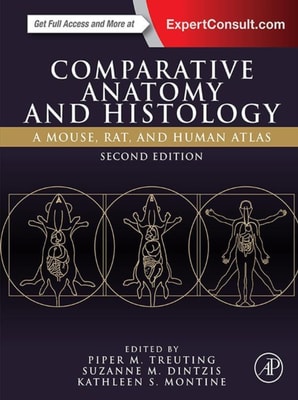
The second edition of Comparative Anatomy and Histology is aimed at the new rodent investigator as well as medical and veterinary pathologists who need to expand their knowledge base into comparative anatomy and histology.
Closed Loop Neuroscience addresses the technical aspects of closed loop neurophysiology, presenting the implementation of these approaches spanning several domains of neuroscience, from cellular and network neurophysiology, through sensory and motor systems, and then clinical therapeutic devices.
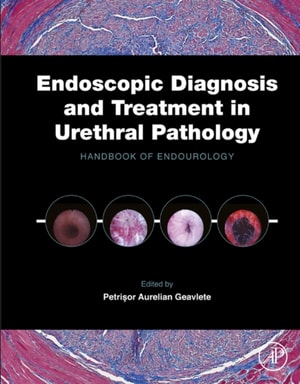
Handbook of Endourology contains five focused, review-oriented volumes that are ideal for students and clinicians looking for a comprehensive review rather than a whole course.
Percutaneous Surgery of the Upper Urinary Tract: Handbook of Endourology contains five focused, review-oriented volumes that are ideal for students and clinicians looking for a comprehensive review rather than a whole course.
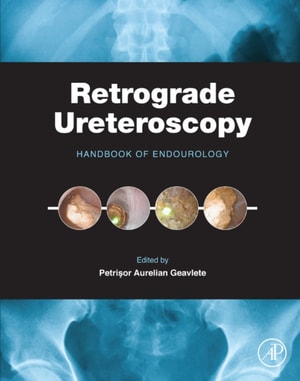
Retrograde Ureteroscopy: Handbook of Endourology contains five focused, review-oriented volumes that are ideal for students and clinicians looking for a comprehensive review rather than a whole course.
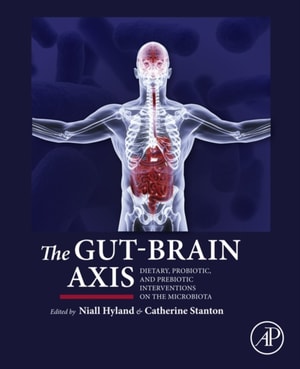
The Gut-Brain Axis: Dietary, Probiotic, and Prebiotic Interventions on the Microbiota examines the potential for microbial manipulation as a therapeutic avenue in central nervous system disorders in which an altered microbiota has been implicated, and explores the mechanisms, sometimes common, by which the microbiota may contribute to such disorders.
Handbook of Endourology contains five focused, review-oriented volumes that are ideal for students and clinicians looking for a comprehensive review rather than a whole course.
Back to Basics in Physiology: O2 and CO2 in the Respiratory and Cardiovascular Systems exploits the gap that exists in current physiology books, tackling specific problems and evaluating their repercussions on systemic physiology.
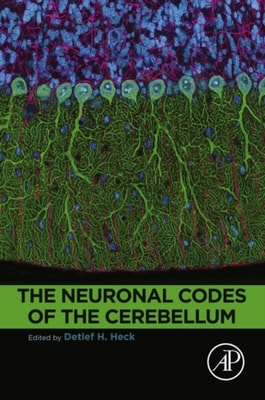
The Neuronal Codes of the Cerebellum provides the most updated information on what is known on the topics of the cerebellum's anatomy and single cell physiology, two areas where there has been a gap in knowledge regarding the specific codes it uses to process information internally and convey commands to other brain regions.
Dentine Hypersensitivity: Developing a Person-Centred Approach to Oral Health provides a detailed and integrated account of interdisciplinary research into dentine hypersensitivity.
These new volumes of Methods in Enzymology (554 and 555) on Hydrogen Sulfide Signaling continue the legacy established by previous volumes on another gasotransmitter, nitric oxide (Methods in Enzymology volumes 359, 396, 440, and 441), with quality chapters authored by leaders in the field of hydrogen sulfide research.
These new volumes of Methods in Enzymology (554 and 555) on Hydrogen Sulfide Signaling continue the legacy established by previous volumes on another gasotransmitter, nitric oxide (Methods in Enzymology volumes 359, 396, 440, and 441), with quality chapters authored by leaders in the field of hydrogen sulfide research.
The Protective Arm of the Renin Angiotensin System: Functional Aspects and Therapeutic Implications is the first comprehensive publication to signal the protective role of a distinct part of the renin-angiotensin system (RAS), providing readers with early insight into a complex system which will become of major medical importance in the near future.