Updated to include new material for beginners in ophthalmology and optometry, Ocular Anatomy and Physiology, Second Edition is an essential text that covers a range of fundamental information for students and clinicians.
This book draws on material from the biomechanics section of The Biomedical Engineering Handbook, Fourth Edition, and includes additional chapters containing highly relevant, cutting-edge material dealing with cellular mechanics.
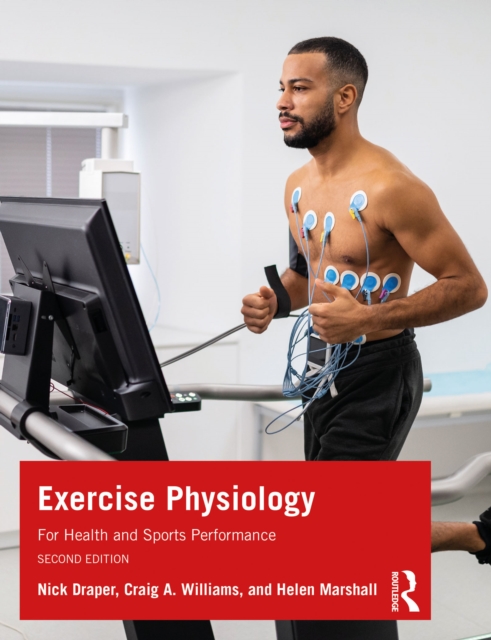
This second edition of Exercise Physiology: For Health and Sports Performance brings together all the essential human anatomy and applied physiology that students of exercise science, physical education, and sports coaching will need to know.
Observational Gait Analysis: A Visual Guide is a pedagogical manual and video library that provides a thorough review of key characteristics of normal gait that are important for observational clinical gait analysis.
This second edition of Exercise Physiology: For Health and Sports Performance brings together all the essential human anatomy and applied physiology that students of exercise science, physical education, and sports coaching will need to know.
Today's knowledge of human health demands a multidisciplinary understanding of medically related sciences, and Case Studies in the Physiology of Nutrition answers the call.
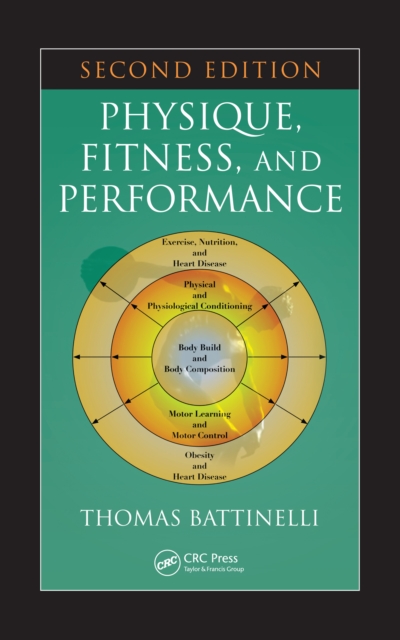
Totally revised and updated, this second edition of the well-received Physique, Fitness, and Performance retains the unique integrated approach of its predecessor, examining the relationship of structure to function in human performance.
Endothelial dysfunction is now regarded as an early marker of vascular disease and therefore an important target for therapeutic intervention and discovery of novel treatments.
In order to effectively examine, test, and treat patients with exercise, physical therapists need to understand how physiology from the cellular to the systems level provides the basis for normal responses to exercise.
A radically new cosmological view from a groundbreaking neuroscientist who places the human brain at the center of humanity’s universe Renowned neuroscientist Miguel Nicolelis introduces a revolutionary new theory of how the human brain evolved to become an organic computer without rival in the known universe.
A radically new cosmological view from a groundbreaking neuroscientist who places the human brain at the center of humanity’s universe Renowned neuroscientist Miguel Nicolelis introduces a revolutionary new theory of how the human brain evolved to become an organic computer without rival in the known universe.
An interdisciplinary textbook on dry mouth, Xerostomia: An Interdisciplinary Approach to Managing Dry Mouth provides an overview of xerostomia for physicians, dentists, nurses, speech-language pathologists, and otolaryngologists who encounter the condition in their practice.
An interdisciplinary textbook on dry mouth, Xerostomia: An Interdisciplinary Approach to Managing Dry Mouth provides an overview of xerostomia for physicians, dentists, nurses, speech-language pathologists, and otolaryngologists who encounter the condition in their practice.
In order to effectively examine, test, and treat patients with exercise, physical therapists need to understand how physiology from the cellular to the systems level provides the basis for normal responses to exercise.
"e;The objective of this CTMI volume is to provide readers with a foundation for understanding what ADARs are and how they act to affect gene expression and function.
Despite major efforts by the scientific community over the years, our understanding of the pathogenesis or the mechanisms of injury of multiple sclerosis is still limited.
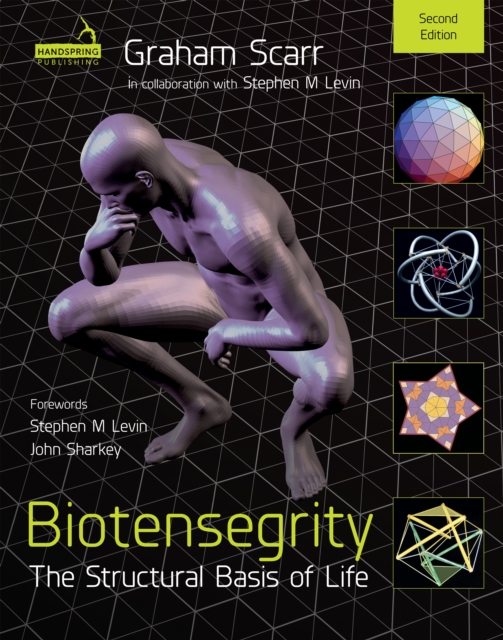
The emerging science of biotensegrity provides a fresh context for rethinking our understanding of human movement, but its complexities can be formidable.
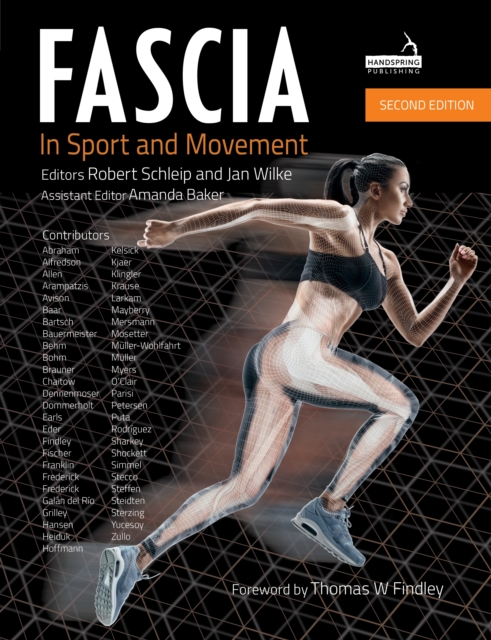
Fascia in Sport and Movement, Second edition is a multi-author book with contributions from 51 leading teachers and practitioners across the entire spectrum of bodywork and movement professions.
The emerging science of biotensegrity provides a fresh context for rethinking our understanding of human movement, but its complexities can be formidable.
Fascia in Sport and Movement, Second edition is a multi-author book with contributions from 51 leading teachers and practitioners across the entire spectrum of bodywork and movement professions.
In 1898, an Austrian microbiologist Heinrich Winterberg made a curious observation: the number of microbial cells in his samples did not match the number of colonies formed on nutrient media (Winterberg 1898).
It has been known for half a century that neurotransmitters are released in preformed quanta, that the quanta represent transmitter-storing vesicles, and that release occurs by exocytosis.
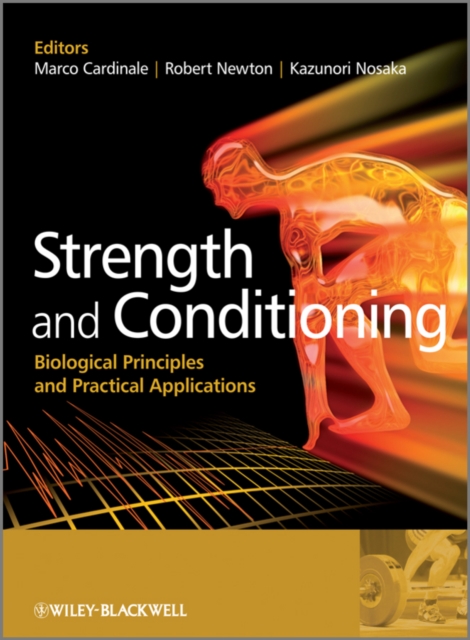
"e;I recommend that you read and use the information in this book to provide your athletes with the best chances of performing at their best"e; from the foreword by Sir Clive Woodward, Olympic Performance Director, British Olympic Association This book provides the latest scientific and practical information in the field of strength and conditioning.
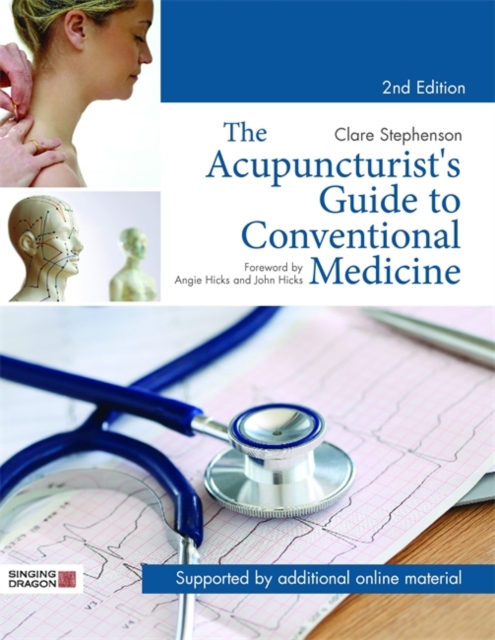
Offering a systematic comparative approach to Western and Eastern medicine, this unique textbook enables students and practitioners of Chinese medicine to develop a core understanding of conventional medical language and treatments.
This book provides easy-to-understand, scientifically backed answers to readers' questions about hormones, helping them understand the many important roles they play, particularly during adolescence.
World-renowned biohacker and bestselling author Dave Asprey reveals how to maximize your well-being with the minimum effort, by taking control of your body's operating system.
Music is well known to have a significant effect on physiology and is widely used as an effective therapeutic tool in stress and pain management, rehabilitation, and behavior modification, but its effects are not well understood.
Molecular Methods of Plant Analysis Concept of the Series The powerful recombinant DNA technology and related developments have had an enormous impact on molecular biology.
Since the epochal discovery of the radical and highly toxic gas nitric oxide (NO) as a signaling molecule, two other no less toxic gases - carbon monoxide (CO) and hydrogen sulfide (H2S) - have been found to also be involved in a plethora of physiological and pathophysiological functions.
Endothelial cell biology has developed into a vibrant discipline and has become a critical instrument to study several disease processes on the cellular and molecular level.
This book provides easy-to-understand, scientifically backed answers to readers' questions about hormones, helping them understand the many important roles they play, particularly during adolescence.