This book offers a comprehensive overview of the latest standard medical procedures and surgical techniques for biliary atresia (BA), as well as the perioperative care, long-term follow-up and transitions.
This book is written to simplify complex topics of neonatal and pediatric liver and metabolic diseases which are encountered by clinicians on a day to day basis.
This book describes the latest research on the gut-kidney axis of ureic solutes; the toxico-pathological mechanisms of uremic toxin-induced organ failure, including kidney and cardiovascular tissue; and the preventive therapeutic strategies for uremia and related organ failure associated with kidney injuries and diseases.
This book discusses the management of variceal bleeding in liver cirrhosis, covering a wide range of topics, including epidemiology, mechanism, diagnosis and monitoring, prophylaxis, treatment, and prognostic assessment.
This book provides a thorough overview of the radiologic and pathologic findings of neoplastic diseases of the biliary tract, a sound knowledge of which is essential for appropriate patient management.
This is the second edition of the book, covering a wide spectrum of the latest information relevant to diagnosis and treatment of esophageal squamous cell carcinoma (ESCC).
This book elaborates on a whole new understanding of digestive endoscopy, the core of which is to treat quite a number of diseases using minimally invasive methods.
This textbook includes 70 chapters contributed by an exceptional group of experts in all areas of hepato-pancreato-biliary diseases, bringing a multi-disciplinary approach to treatments.
This book comprehensively covers the latest developments in the diagnosis and treatment of liver cirrhosis, including molecular mechanisms and therapeutic strategies.
This book provides the latest information on diagnosis and treatment strategies for colorectal T1(SM) carcinoma including endoscopic resection, and pathologic diagnosis and treatment following resection.
This book presents research outcomes, providing a big picture of rheumatic diseases as systemic conditions, and exploring the correlation between liver dysfunction and gastrointestinal lesions.
The 25th volume of this highly successful series covers a range of interesting topics, including biological therapy in inflammatory bowel disease, recent surgical approaches in rectal cancer, tumor markers in HPB and GI malignancies, bridging therapy for hepatocellular carcinoma, adjuncts to liver resection, IgG-related HPB diseases, ERCP-induced perforations and superior mesenteric artery syndrome.
This book examines the latest indications and techniques for various endoscopic and surgical colorectal cancer treatments, discussing not only on the standard lymph node dissection technique, but also on laparoscopic and robotic surgery.
This book describes the latest advances concerning the molecular mechanisms of and therapeutic strategies for alcohol- and non-alcohol-related digestive diseases.
This book combines provision of basic knowledge on anorectal diseases with clear description of special surgical techniques based on 30 years' experience in anorectal cases at one hospital.
This atlas presents the sonographic features of the normal fetal abdomen at different gestational ages, and describes the anomalies of different organ systems in the fetal abdomen.
The 24th volume of this highly successful series includes new contemporary topics such as corrosive injuries of the oesophagus, post-gastrectomy complications, advances in imaging of inflammatory bowel disease, unusual presentations of gallstones, gall bladder cancer with jaundice, minimally invasive pancreatic surgery, and enhanced recovery after surgery.
From embryology to epidemiology, pathophysiology, diagnosis, complications, treatment and prognosis, this book provides a comprehensive overview and the latest evidence-based data on pancreaticobiliary maljunction (PBM), a congenital malformation in which the pancreatic and bile ducts join anatomically outside the duodenal wall.
Endoscopy in Early Gastrointestinal Cancers, Volume 2: Treatment covers the detailed information of the indications, techniques and perioperative management of endoscopic resection including endoscopic mucosal resection (EMR) and endoscopic submucosal dissection (ESD).
Endoscopy in Early Gastrointestinal Cancers, Volume 1: Diagnosis provides detailed information of the technique of novel endoscopic diagnostic tools including magnifying endoscopy, narrow band imaging system (NBI), autofluorescence endoscopy (AFI), endocytoscopy, FICE and confocal endomicroscopy.
This book presents an Asian perspective on how the treatment of colorectal cancer can be optimized and standardized in ways that take into account technological advances and the trend towards individually tailored therapy.
This book offers essential information on basic and translational research in gastric cancer, while also illustrating potential opportunities for its application in clinical practice.
This book provides a comprehensive overview of the research on bile duct pathology, from basic theory to practical aspects, and presents the latest advances.
The 23rd volume of this highly successful series includes new contemporary topics such as PET in HPB diseases, short gut syndrome, current status of extended lymphadenectomy in esophageal cancer, splenectomy for haematological disorders, postoperative liver failure, HIPEC, and current issues in surgery of pancreatic cancer.
This collection of chapters describes in detail the latest insights into the evaluation of resectability and neoadjuvant therapy to pancreaticoduodenectomy and distal pancreatectomy for pancreatic cancer.
The twenty-second volume of GI Surgery Annual covers a gamut of topics from oesophageal adenocarcinoma, to motility disorders of the colon and rectum, mesenteric tumours as well as the contemporary technique of ALPPS, acute portal vein thrombosis and small for size syndrome in live donor liver transplant.
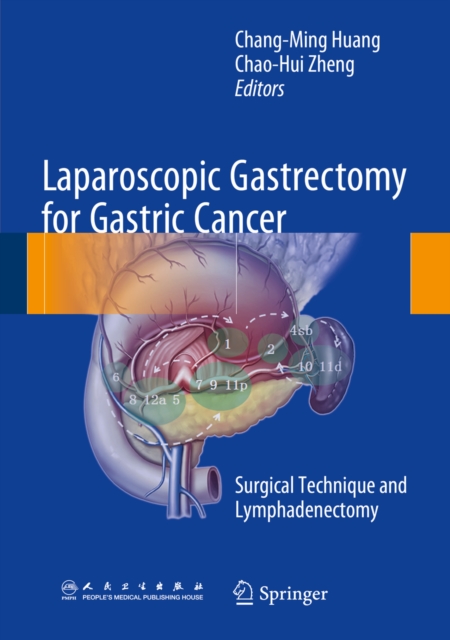
This book presents surgical techniques and detailed illustrations of laparoscopic gastrectomy for gastric cancer, focusing on effective, concise steps and techniques.
Handbook of Capsule Endoscopy is a concise guide to the clinical diagnostic use of capsule endoscopy, a non-invasive imaging technology of the gastrointestinal tract.
This book focuses on early diagnosis and multidisciplinary treatment, which is the key to preventing the occurrence of the liver metastases in colorectal cancer, and to increasing the resection rate of the liver metastasis foci and the 5-year survival after surgery.
The way in which probiotics work is still not clearly defined, but it is becoming more and more apparent that immune stimulation is an important feature in some of the observed effects.