Over a mere 5 years, neonatal cranial sonography has evolved from an obscure and largely experimental imaging possibility to the modality of preference in the examination of the young brain.
For almost a century now, since Freud described the basic motivations and Pavlov the basic mechanisms of human behavior, we have had a reasonable concept of the forces that drive us.
As in any multiauthored textbook penned by When I was first approached by the publisher of this volume, Martinus Nijhoff, Boston, I writers of diverse backgrounds and interests, explored the possibility of writing a personal Modern Stereotactic Neurosurgery to some monograph on contemporary stereotactic extent suffers from incompleteness.
This book is devoted to the description of agenesis of the corpus callosum, a congenital malformation of midline structures in the brain that may be regarded as a natural model of the "e;split-brain.
"e;Child development"e; has always been a traditional component of well- child care and a particular area of interest for pediatricians, child neu- rologists, and psychologists.
Understanding the structure and function of the blood-brain barrier (BBB) and recogniz- ing its clinical relevance require a concert of scientific disciplines applied from a view- point of integrative physiology rather than from only molecular or analytical approaches.
In June 1973, Professor George Austin invited a small group of neuroscientists from Asia, Europe, the United States, and Canada to the Loma Linda University School of Medicine in Loma Linda, California.
In the years sin~e publication of the Hrst edition of SurgicaL Approaches to the Spine, a revolution has taken place in spinal surgery, Spinal technology has exploded, thereby in- creasing the need for multiple access sites to the spine.
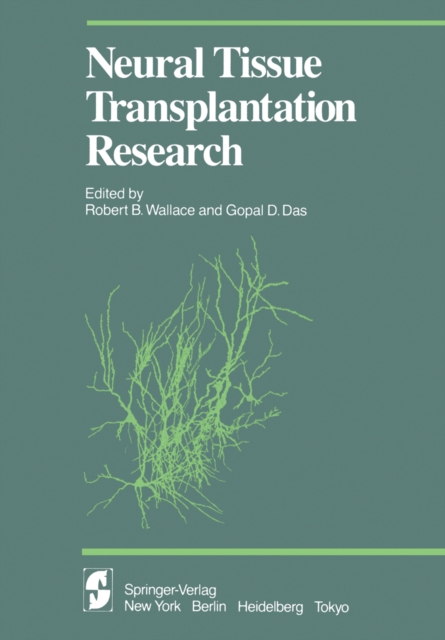
During the last decade research on neural transplantation in mammals has grown extensively, and has attracted the attention of many young inquisitive scientists.
Considerable impetus was given to the study and understanding of cere- brovascular anatomy by Thomas Willis and his contemporaries in the seventeenth century, yet almost two hundred years were to pass before further significant advances were made in this field.
Four years ago the first international symposium dealing with neural transplan- tation was organized as a satellite conference to the annual meeting of the Society for Neuroscience in Los Angeles, California.
The advent in the 1960s of the unique and exciting new form of energy called laser brought to medicine a marvelous tool that could accomplish new treatments of previously untreatable disorders as well as improved treat- ment of mundane problems.
This book has been assembled from the radiographic and photo- graphic records of patients presenting to craniofacial units on four continents over 7 years.
The intracarotid amobarbital (or Amytal) procedure is commonly referred to as the Wada test in tribute to Juhn Wada, the physician who devised the technique and performed the fIrst basic animal research and clinical studies with this method.
INTRATHECAL DRUG THERAPY FOR SPASTICITY AND PAIN is a practical manual for nurses and physician assistants who use Intrathecal Drug Infusion for treating patients suffering from spasticity and chronic pain.
Transcranial Doppler (TCD) ultrasound, first introduced more than a decade ago, has steadily evolved into a dynamic, reliable, reproducible, and practical diagnostic tool.
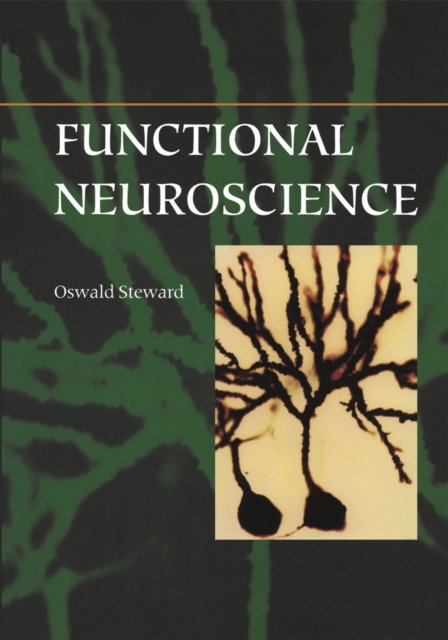
An integrated textbook of medical neuroscience, this book will make a coherent presentation of anatomy, physiology, and biochemistry of the human nervous system.
This updated and refined new edition is the only book to provide a comprehensive approach to the intensive care of neurologically injured patients from the emergency room and ICU through the operating room and post-surgical period.
There is a paradigm shift in plastic and reconstructive surgery from the interest of developing new surgical techniques into the application of new technologies via research based studies on stem cells, tissue engineering and new field of reconstructive transplantation such as e.
In spite of medical advances and the increasing number of severely brain-injured patients, the assessment and treatment of patients recovering from coma remain challenging.