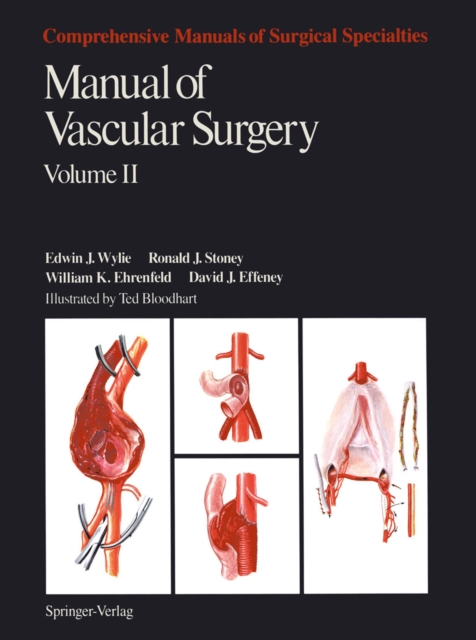
Of all the developing fields of surgery, few have had the impact of vascular surgery in affecting so large a section of the population by offering the potential relief of disability and the prolongation of life.
A major need of all cardiologists and surgeons involved with the application of allograft tissue to cardiac surgical reconstructions is met by this unique atlas.
Prospects of Heart Surgery: Psychological Adjustment to Coronary Bypass Grafting reports on a study of how patients and their spouses adjusted to the prospect, and then to the outcome, of coronary graft surgery.
The motivation for this book was the recognition by two of us (RL and TL) that, despite our training as cardiologists, we had a limited understand- ing of many aspects of the surgical management of our patients.
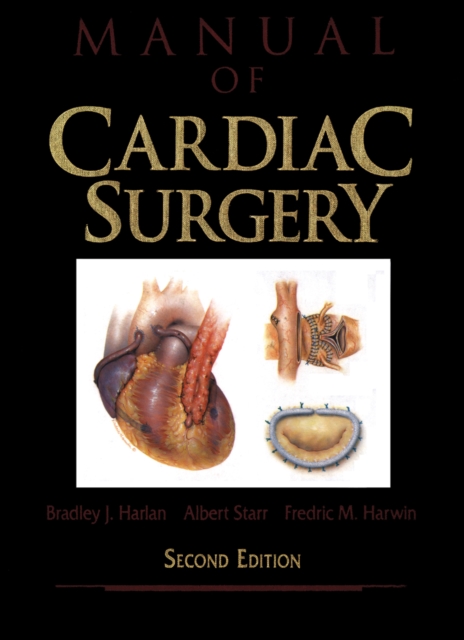
Originally published in 1980-1981 as a two-volume set, the Manual of Cardiac Surgery has been completely revised and now includes new full-color illustrations in a single convenient volume.
Based on the research and clinical work presented at the Fifth International Symposium, Vascular Surgery 1991, this book gathers forty contributions from renowned clinicians and researchers and outstanding young investigators around the world.
Surgery of tje Arteries to the Head provides residents andpracticing surgeons with detailed descriptions andexplanations of various surgical techniques.
All the gamuts pertaining to the heart and great vessels have been excerpted from Reeder and Felson's Gamuts in Radiology, the world's best known, most trusted, and most comprehensive guide to radiologic differential diagnosis.
Over the past ten years, cardiac transplantation has evolved from an exper- imental procedure performed in a handful of university centers to a viable therapeutic modality now performed in more than 150 centers worldwide.
The Illustrated Handbook of Cardiac Surgery is adapted from the Second Edition of the color illustrated Manual of Cardiac Surgery (Springer-Verlag, 1995).
Textbook of Angiology aims to provide the reader with a fully integrated view of medical and surgical aspects of both vascular and cardiovascular disease.
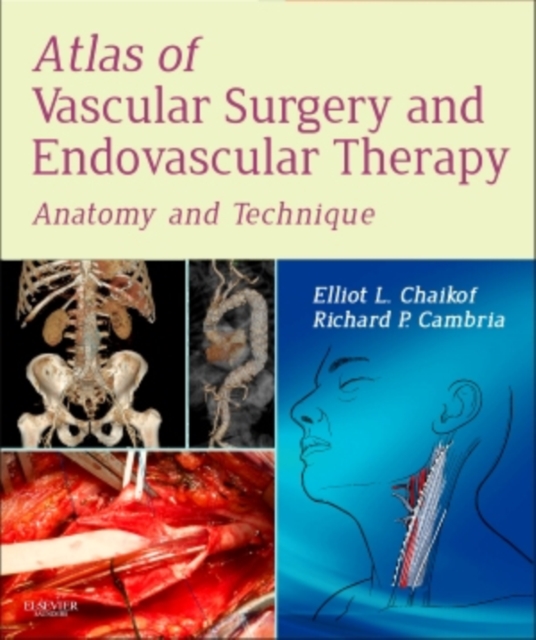
Featuring an easy-to-access, highly visual approach, Atlas of Vascular Surgery and Endovascular Therapy offers the comprehensive, step-by-step guidance you need to achieve optimal outcomes in the treatment of venous disorders.
Featuring an easy-to-access, highly visual approach, Atlas of Vascular Surgery and Endovascular Therapy offers the comprehensive, step-by-step guidance you need to achieve optimal outcomes in the treatment of venous disorders.
As minimally invasive therapies, endovascular embolization and chemo-embolization are now the first-choice palliative or curative therapeutic alternatives in oncology, traumatology, functional pathology, treatment of benign tumors, and management of post operative complications.
Written by internationally acclaimed specialists, Cardio-Thoracic, Vascular, Renal and Transplant Surgery provides pertinent and concise procedure descriptions spanning benign and malignant problems and minimally invasive procedures.
Atlas of Organ Transplantation, Second Edition, provides the reader with a comprehensive and pictorial step-by-step account of abdominal organ transplant procedures performed by contemporary transplant surgeons today.
Focusing exclusively on the surgical management of aortic arch disease in adults, this concise reference provides authoritative guidance on both standard and alternative approaches from internationally recognized experts.
Ultrasound is used to demonstrate and classify numerous vascular diseases and provides a firm basis for deciding the most appropriate interventional treatment.
The latest volume in the Practical Phlebology series, Deep Vein Thrombosis provides trainee and practicing physicians with the ideal illustrative guide to the etiology, diagnosis, and management of deep vein thrombosis (DVT).
Magnetic Resonance Angiography: Principles and Applications is a comprehensive text covering magnetic resonance angiography (MRA) in current clinical use.
Covering both noninvasive and surgical treatment alternatives, Critical Limb Ischemia defines practical guidelines for a multidisciplinary approach to critical limb ischemia and follows a step-by-step description of the latest techniques.
Emphasizing a team approach that includes the practicing podiatrist, endocrinologist, diabetologist, vascular surgeon, orthopedist, and infectious disease specialist, The High Risk Diabetic Foot provides a thorough and detailed resource on the management of complex diabetic foot problems.
With an invaluable selection of color images, this guide authoritatively covers the identification, assessment, pathophysiology, epidemiology, and treatment of disorders affecting the venous and lymphatic anatomy.
With an abundance of case studies from Jackson Memorial Hospital, this reference provides expert guidance on the evaluation and treatment of lower extremity orthopedic injuries.
Since the publication of the first edition 15 years ago, vascular surgery has been transformed into a new specialty incorporating endovascular surgery and techniques.
The Manual of Venous and Lymphatic Diseases constitutes a concise but comprehensive and contemporary description of the nature and management of venous and lymphatic diseases.
The Manual of Venous and Lymphatic Diseases constitutes a concise but comprehensive and contemporary description of the nature and management of venous and lymphatic diseases.
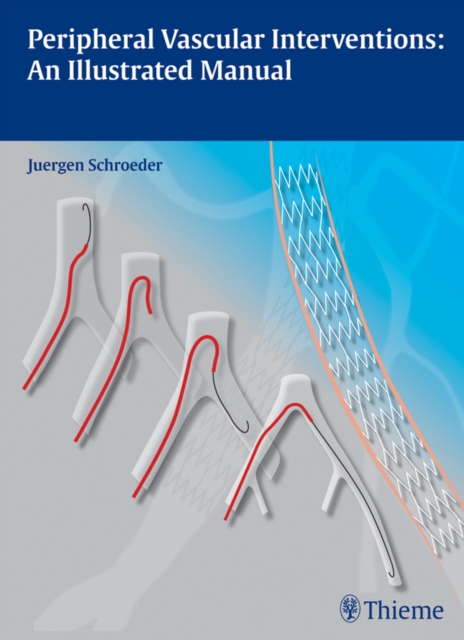
This compact, richly illustrated text presents a uniquely visual representation of the procedures interventionalists need to master to perform peripheral vascular interventions successfully.