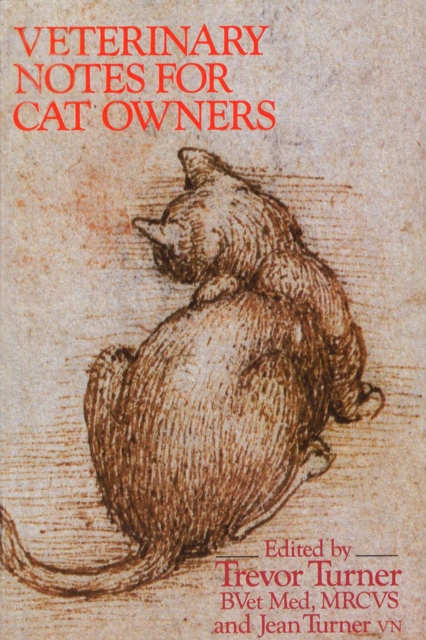
A comprehensive and accessible manual of feline medicine and surgery, it explains the symptoms and treatment of every disease or injury that a cat owner is likely to encounter.
In this simple, clear and precise book, written with Nelly's inimitable passion for her subject, everyone can discover the benefits of veterinary aromatherapy as well as invaluable advice on nutrition.
James Herriot, strapped into the cockpit of a Tiger Moth trainer, feels rather out of place, but he hasn't found a new profession and it surely won't be long before the RAF come round to his point of view .
Many farmers today are concerned, not only with the increasing cost of conventional drugs, but also with their side-effects and the build-up of resistant strains of bacteria due to the continued and often indiscriminate use of antibiotics.
This book is written to satisfy the needs of the increasing numbers of cat lovers who are interested in alternative methods to treat the illnesses to which their pets may fall prey.
Set in Glasgow in the 1930s, Young James Herriot is the fascinating story of Herriot s formative years at veterinary college, recounting the tales behind his calling to work with animals and his early friendships.
This quick reference handbook covers the diagnosis and treatment of eye disease in a range of exotic companion animal species, including rabbits, rodents, reptiles, birds, amphibians and fish.
This quick reference handbook covers the diagnosis and treatment of eye disease in a range of exotic companion animal species, including rabbits, rodents, reptiles, birds, amphibians and fish.
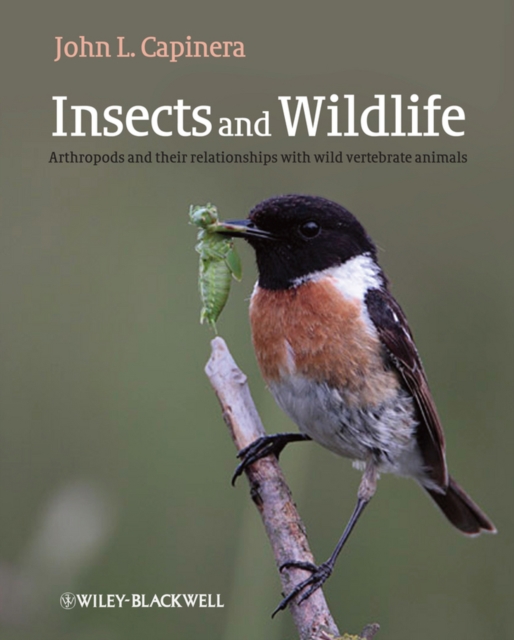
Insects and Wildlife: Arthropods and their Relationships with Wild Vertebrate Animals provides a comprehensive overview of the interrelationships of insects and wildlife.
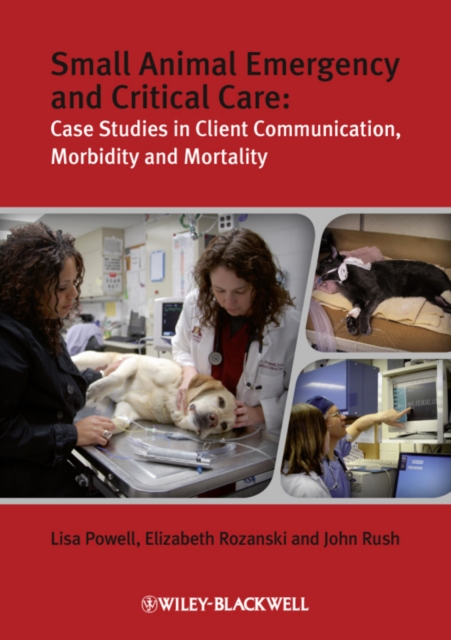
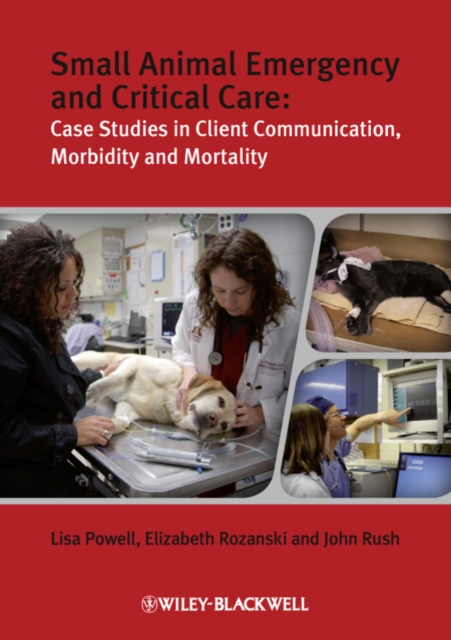
Small Animal Emergency and Critical Care: Case Studies in Client Communication, Morbidity and Mortality provides a unique opportunity to learn from real-life case examples.
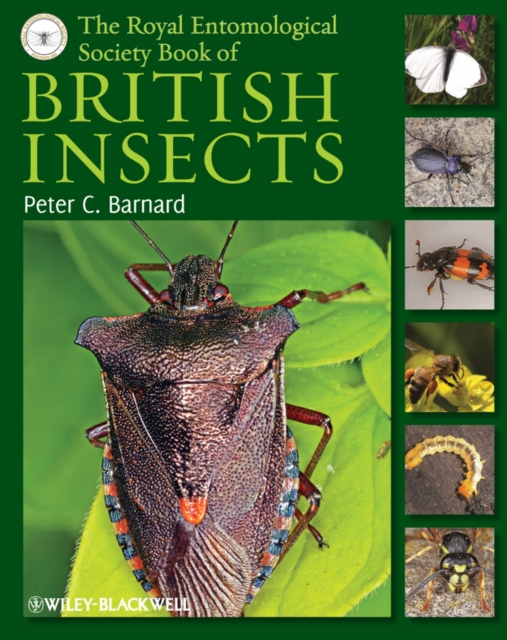
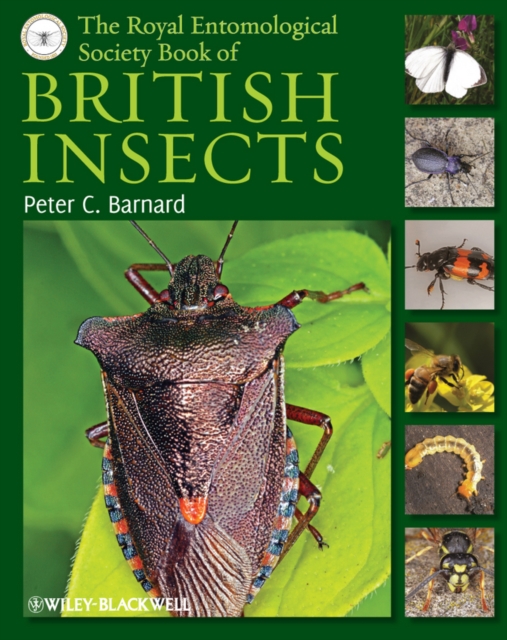
The Royal Entomological Society (RES) and Wiley-Blackwell are proud to present this landmark publication, celebrating the wonderful diversity of the insects of the British Isles, and the work of the RES (founded 1833).
The Royal Entomological Society (RES) and Wiley-Blackwell are proud to present this landmark publication, celebrating the wonderful diversity of the insects of the British Isles, and the work of the RES (founded 1833).
Small Animal Emergency and Critical Care: Case Studies in Client Communication, Morbidity and Mortality provides a unique opportunity to learn from real-life case examples.
Insects and Wildlife: Arthropods and their Relationships with Wild Vertebrate Animals provides a comprehensive overview of the interrelationships of insects and wildlife.
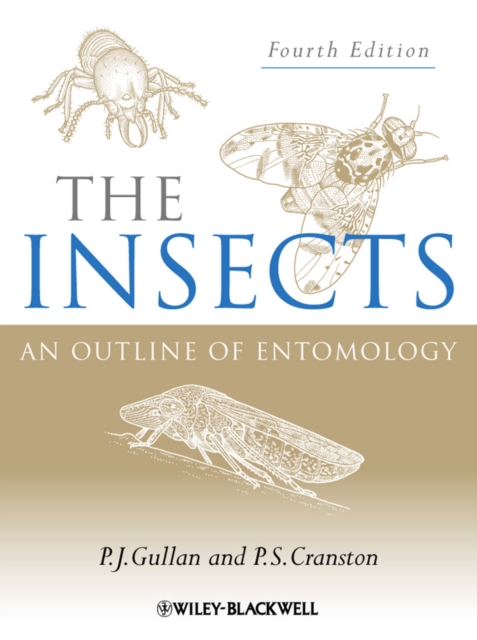
This established, popular textbook provides a stimulating and comprehensive introduction to the insects, the animals that represent over half of the planet's biological diversity.
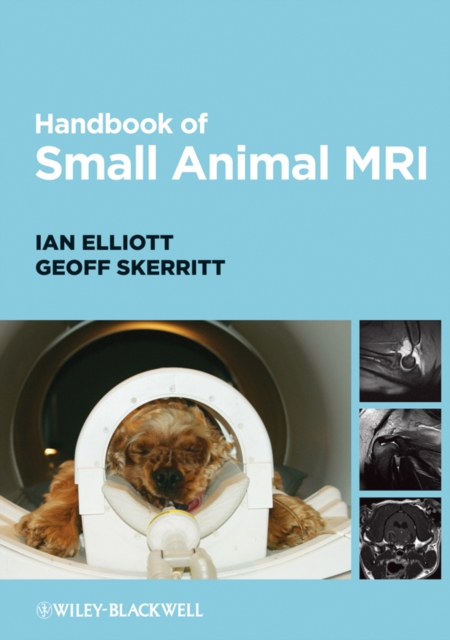
Handbook of Small Animal MRI will help you make the most of one of the greatest advancements in veterinary practice in recent years, magnetic resonance imaging.
Many students have only a limited knowledge of biology before starting a variety of equine courses, from BHS stages to National Certificate and Diploma and HND/degree.
This book provides a general introduction to the biology of marine mammals, and an overview of the adaptations that have permitted mammals to succeed in the marine environment.