Dans l'histoire de la pensee chretienne, saint Bonaventure se distingue comme le plus eminent philosophe franciscain du XIIIe siecle et une figure cle du developpement de la theologie spirituelle de l'Eglise.
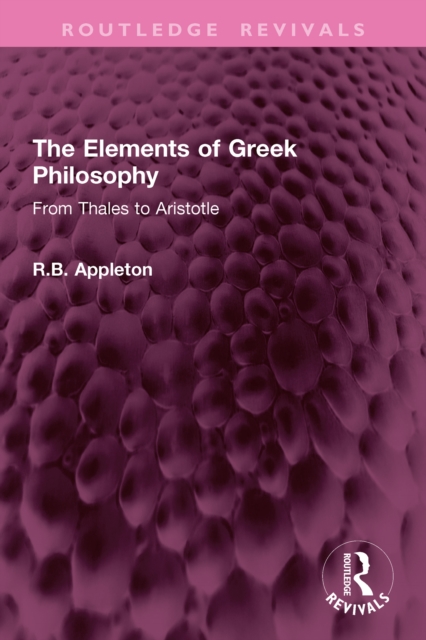
The Elements of Greek Philosophy (1922) is an overview of the basic principles of Ancient Greek philosophy, tracing the developments of Greek thought from Thales of Miletus to Socrates, Plato and Aristotle.
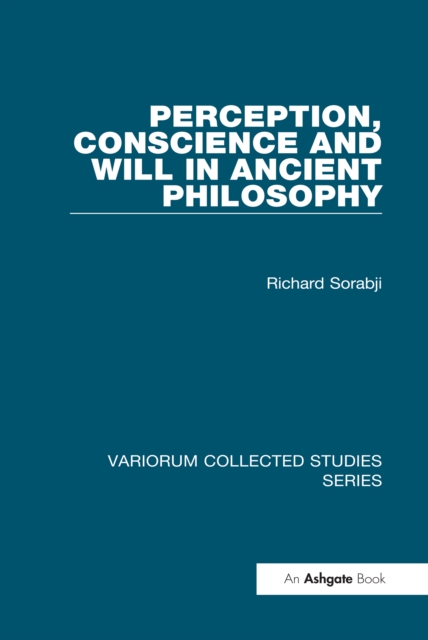
This book is about the human mind in ancient philosophy, with a focus on sense perception, a subject that Richard Sorabji has previously treated more in articles than in books.
Von Platons Ideenlehre über Kants Kritik der reinen Vernunft bis hin zur postmodernen Dekonstruktion aller Wahrheitsansprüche: Wer Theologie treibt, muss dies immer im Rahmen der Weltsicht seiner Zeit tun.
This book is about the human mind in ancient philosophy, with a focus on sense perception, a subject that Richard Sorabji has previously treated more in articles than in books.
The Elements of Greek Philosophy (1922) is an overview of the basic principles of Ancient Greek philosophy, tracing the developments of Greek thought from Thales of Miletus to Socrates, Plato and Aristotle.
This book analyses some of the seminal texts of the Chinese tradition in light of the embodied tradition: the Analects of Confucius, the Zhuangzi, and the Treatise on Music.
In Nicomachean Ethics, Aristotle offers the foundational account of virtue ethics: an inquiry into the human good, eudaimonia, and the disciplined formation of character.
The Ionians and Hellenism (1980) presents an assessment of the art, literature and philosophy of the Asia Minor Greeks - the Ionians - in the eighth to sixth centuries B.
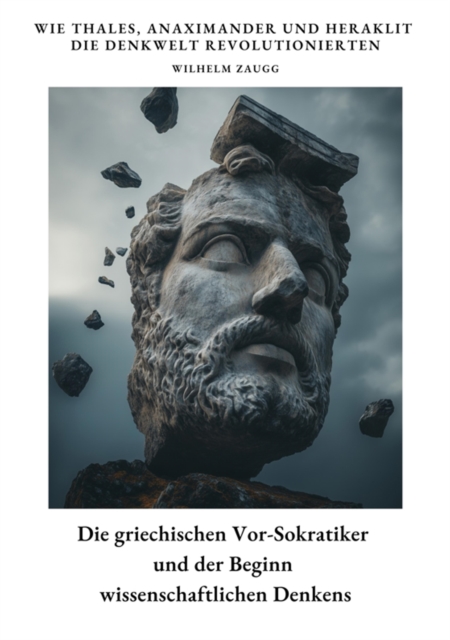
Die Anfänge der westlichen Philosophie sind eng mit den Vor-Sokratikern verbunden, die in einer Zeit tiefgreifender Umbrüche und neuer Denkansätze lebten.
The Ionians and Hellenism (1980) presents an assessment of the art, literature and philosophy of the Asia Minor Greeks - the Ionians - in the eighth to sixth centuries B.
Early in his career, Fernand Brunner became one of the few specialists on Ibn Gabirol, a Jewish philosopher and poet in 11th-century Spain, whose treatise, the Fons vitae, is known only in Latin translation.
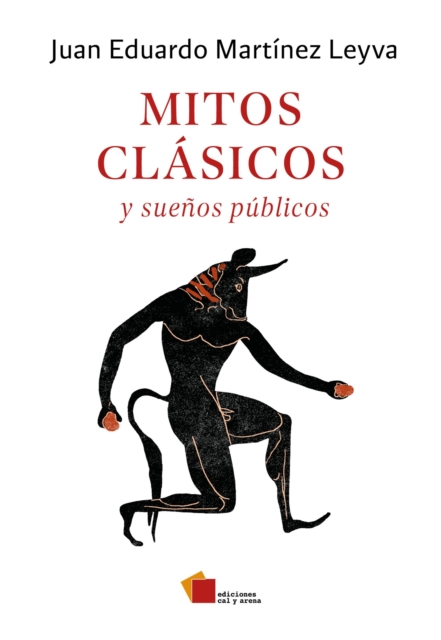
Este libro trae al presente algunos mitos ancestrales, intentando respetar siempre su contenido original, pero buscando que los lectores contemporáneos puedan interesarse en ellos, ofreciendo una lectura fácil y con una perspectiva diferente.
This collection of essays by leading Aristotle scholars worldwide covers a wide range of topics on Aristotle's work from metaphysics, politics, ethics, bioethics, rhetoric, dialectic, aesthetics, history to physics, psychology, biology, medicine, technology.