Wer sich mit den Theorien oder Positionen von Philosophinnen und Philosophen auseinandersetzen will, kommt nicht umhin, ihre Texte entweder als Ganzschriften oder in Auszügen zu lesen, sie zu analysieren, zu interpretieren und Stellung zu ihnen zu beziehen.
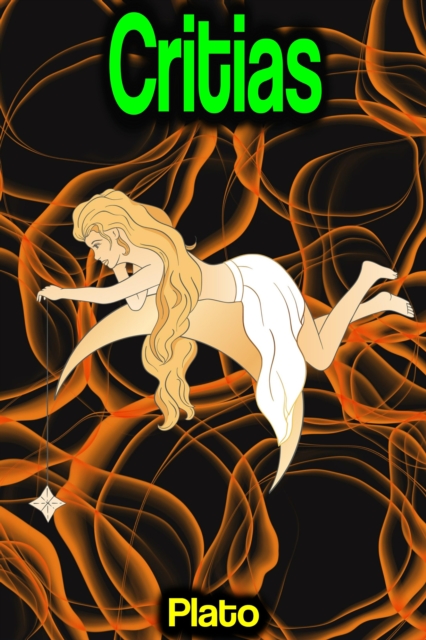
Critias - Plato - Plato is a Classical Greek philosopher, mathematician, student of Socrates, writer of philosophical dialogues, and founder of the Academy in Athens, the first institution of higher learning in the Western world.
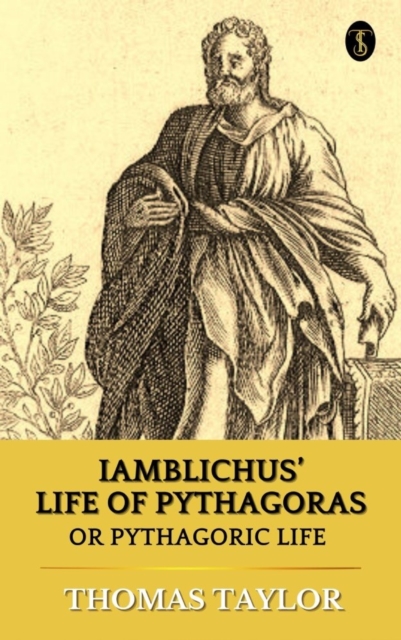
Iamblichus' Life of Pythagoras, Or Pythagoric Life, translated by Thomas Taylor, is a profound biography and philosophical treatise that sheds light on the life and teachings of the ancient Greek philosopher and mathematician, Pythagoras.
Phaedo or Phaedo also known to ancient readers as On The Soul, is one of the best-known dialogues of Plato's middle period, along with the Republic and the Symposium.
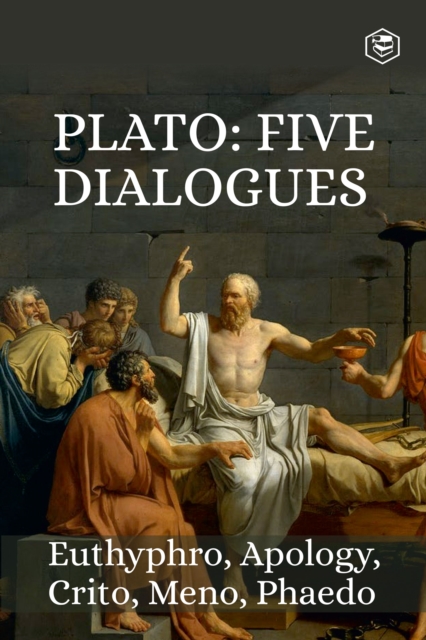
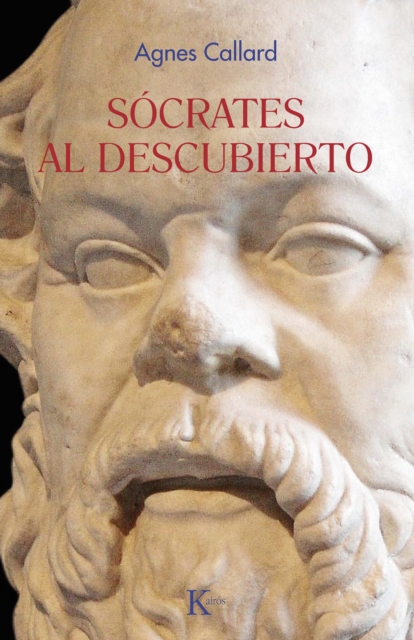
Nothing can harm a good man either in life or after death'With reference to the trial and death of Socrates, there are four dialogs that are especially relevant.
One of Plato's most enduring works, Five Dialogues (Euthyphro, Apology, Crito, Meno and Phaedo) punctuates the key moments in Socrates' life, from his trial to his death, with timeless philosophical debates about law, love, virtue, ethics and the meaning of life.
First published in 1979, Pythagoras aims to make available to a wide range of readers the events of Pythagoras's life and his theories, and to present him not primarily as a mathematician and scientific genius nor as a poetical and mystical phenomenon but as a man of his times subject to diverse influences.
First published in 1979, Pythagoras aims to make available to a wide range of readers the events of Pythagoras's life and his theories, and to present him not primarily as a mathematician and scientific genius nor as a poetical and mystical phenomenon but as a man of his times subject to diverse influences.
Für die so unwahrscheinliche Verwirklichung der Utopie Platons, Staatslenker sollten Philosophen und Philosophen sollten Staatslenker sein, gibt der römische Schriftsteller und Politiker Lucius Annaeus Seneca eines der außergewöhnlichsten wie einflussreichsten Beispiele in der Geschichte der abendländischen Kultur.
Wer sich mit den Theorien oder Positionen von Philosophinnen und Philosophen auseinandersetzen will, kommt nicht umhin, ihre Texte entweder als Ganzschriften oder in Auszügen zu lesen, sie zu analysieren, zu interpretieren und Stellung zu ihnen zu beziehen.
Für die so unwahrscheinliche Verwirklichung der Utopie Platons, Staatslenker sollten Philosophen und Philosophen sollten Staatslenker sein, gibt der römische Schriftsteller und Politiker Lucius Annaeus Seneca eines der außergewöhnlichsten wie einflussreichsten Beispiele in der Geschichte der abendländischen Kultur.
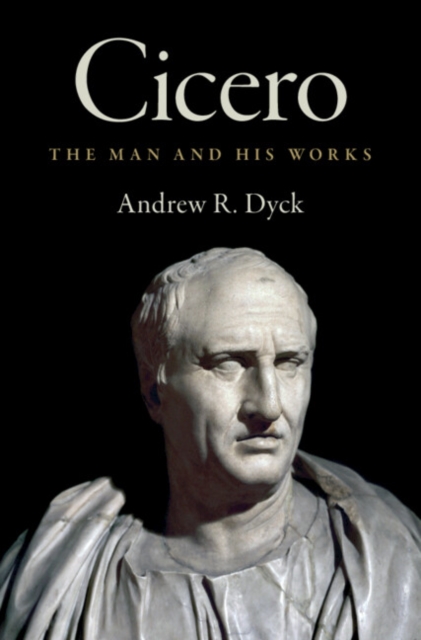
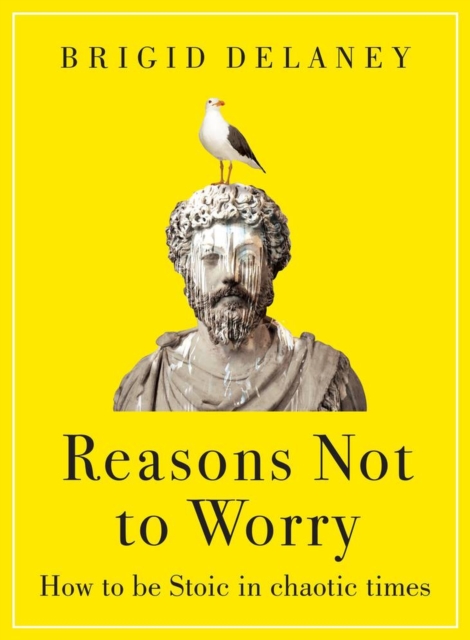
Reasons Not to Worry is an accessible introduction to the Stoic principles of virtue, moderation and self-discipline, adapting this ancient knowledge to inspire practical advice for everyday life.
Für die so unwahrscheinliche Verwirklichung der Utopie Platons, Staatslenker sollten Philosophen und Philosophen sollten Staatslenker sein, gibt der römische Schriftsteller und Politiker Lucius Annaeus Seneca eines der außergewöhnlichsten wie einflussreichsten Beispiele in der Geschichte der abendländischen Kultur.
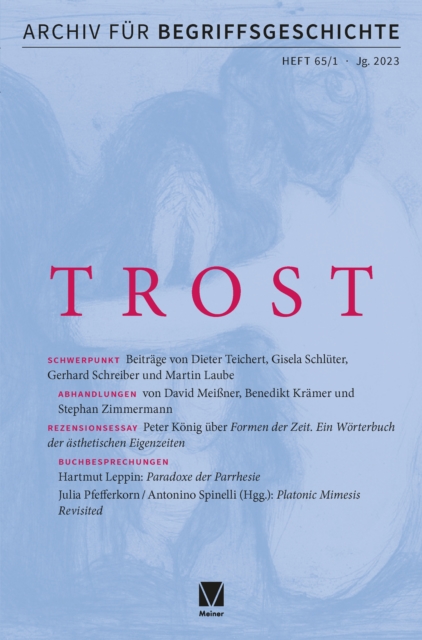
Im Schwerpunkt dieses Heftes werfen Dieter Teichert, Gisela Schlüter, Gerhard Schreiber und Martin Laube einige Schlaglichter auf die noch ungeschriebene Begriffsgeschichte von Trost.
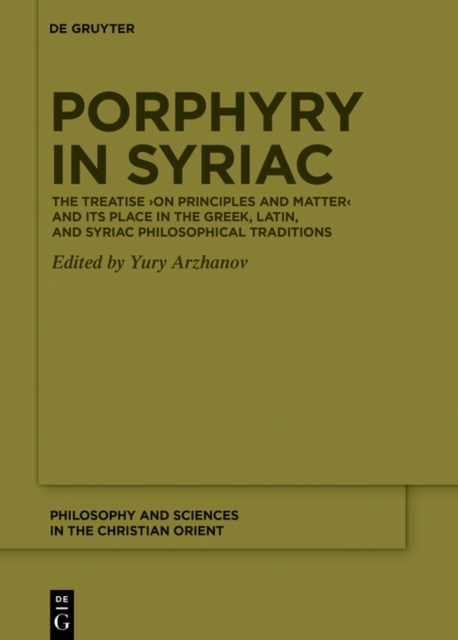
In 2021, a previously unknown treatise by Porphyry of Tyre, which has been preserved in a Syriac translation, was made available to historians of philosophy: Porphyry, On Principles and Matter (De Gruyter, 2021).
Für die so unwahrscheinliche Verwirklichung der Utopie Platons, Staatslenker sollten Philosophen und Philosophen sollten Staatslenker sein, gibt der römische Schriftsteller und Politiker Lucius Annaeus Seneca eines der außergewöhnlichsten wie einflussreichsten Beispiele in der Geschichte der abendländischen Kultur.