This book argues against the common view that there are no essential differences between Plato and the Neoplatonist philosopher, Plotinus, on the issues of mysticism, epistemology, and ethics.
The Concept of History reflects on the presuppositions behind the contemporary understanding of history that often remain implicit and not spelled out.
The Concept of History reflects on the presuppositions behind the contemporary understanding of history that often remain implicit and not spelled out.
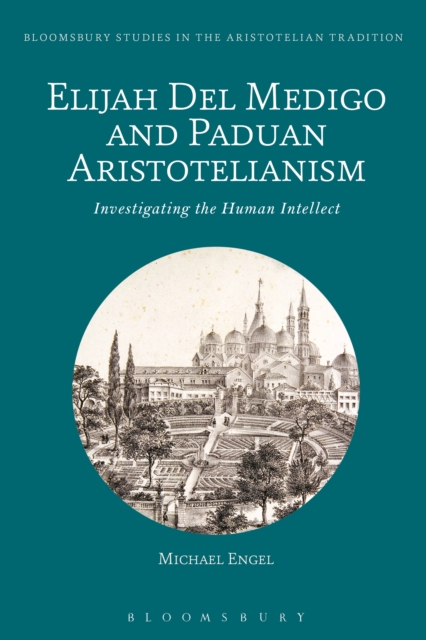
Elijah Del Medigo (1458-1493) was a Jewish Aristotelian philosopher living in Padua, whose work influenced many of the leading philosophers of the early Renaissance.
This collection of writings from Pierre Hadot (1992-2010) presents, for the first time, previously unreleased and in some cases untranslated materials from one of the world's most prominent classical philosophers and historians of thought.
This collection of writings from Pierre Hadot (1992-2010) presents, for the first time, previously unreleased and in some cases untranslated materials from one of the world's most prominent classical philosophers and historians of thought.
Plato, mathematician, philosopher and founder of the Academy in Athens, is, together with his teacher, Socrates, and his student, Aristotle, universally considered to have laid the foundations of Western philosophy.
Plato, mathematician, philosopher and founder of the Academy in Athens, is, together with his teacher, Socrates, and his student, Aristotle, universally considered to have laid the foundations of Western philosophy.
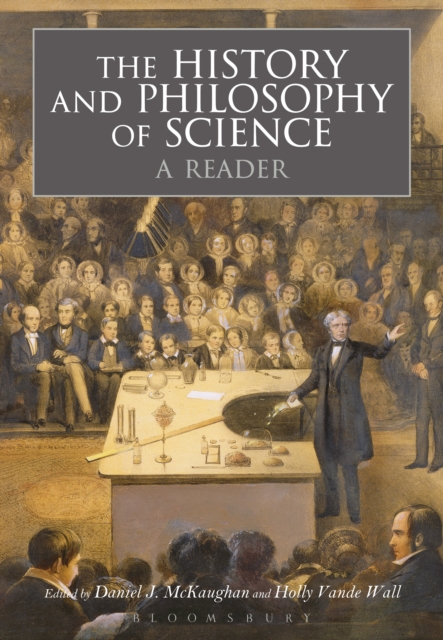
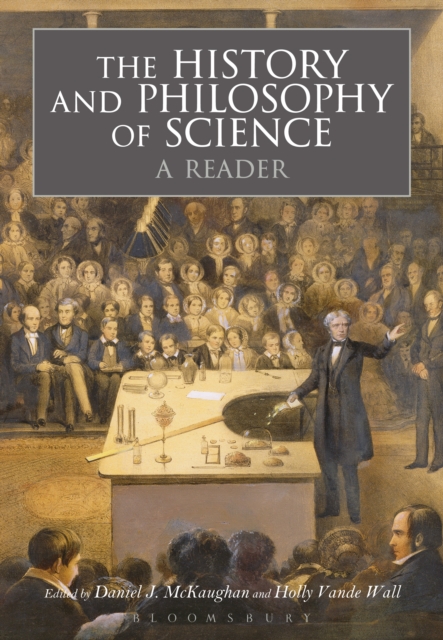
The History and Philosophy of Science: A Reader brings together seminal texts from antiquity to the end of the nineteenth century and makes them accessible in one volume for the first time.
The History and Philosophy of Science: A Reader brings together seminal texts from antiquity to the end of the nineteenth century and makes them accessible in one volume for the first time.
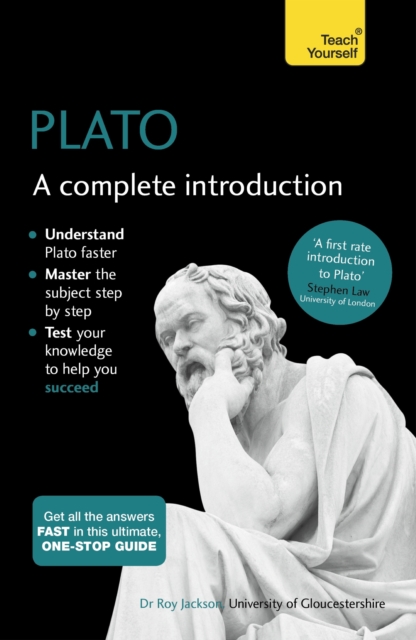
Written by Dr Roy Jackson, who Senior Lecturer at the University of Gloucestershire, Plato: A Complete Introduction is designed to give you everything you need to succeed, all in one place.
Hypatia, or New Foes with an Old Face details the fictional life of the philosopher Hypatia and tells the story of Philammon, a young monk, who becomes involved in the political and religious issues within the city of Alexandria.
The following passage from the biography of Arsene Darmesteter, prefixed to Volume I of his Reliques Scientifiques, deserves quotation, both on account of its criticism of Emanuel Deutsch's brilliant article on the Talmund, which originally appeared in the quarterly review for October, 1867, and as an illustration of the phenomenon, often noted in the scientific world, that investigators, wholly independent and perhaps in ignorance of each other, publish work of similar import simultaneously, though the phase of the subject presented may have been completely neglected up to that time.
Priscian of Lydia was one of the Athenian philosophers who took refuge in 531 AD with King Khosroes I of Persia, after the Christian Emperor Justinian stopped the teaching of the pagan Neoplatonist school in Athens.
Priscian of Lydia was one of the Athenian philosophers who took refuge in 531 AD with King Khosroes I of Persia, after the Christian Emperor Justinian stopped the teaching of the pagan Neoplatonist school in Athens.
The Asclepius is one of two philosophical books ascribed to the legendary sage of Ancient Egypt, Hermes Trismegistus, who was believed in classical and renaissance times to have lived shortly after Moses.
The Asclepius is one of two philosophical books ascribed to the legendary sage of Ancient Egypt, Hermes Trismegistus, who was believed in classical and renaissance times to have lived shortly after Moses.
Ancient philosophy was conceived as a way of life or an art of living, but if ancient philosophers did think that philosophy should transform an individual's way of life, then what conception of philosophy stands behind this claim?
Ancient philosophy was conceived as a way of life or an art of living, but if ancient philosophers did think that philosophy should transform an individual's way of life, then what conception of philosophy stands behind this claim?
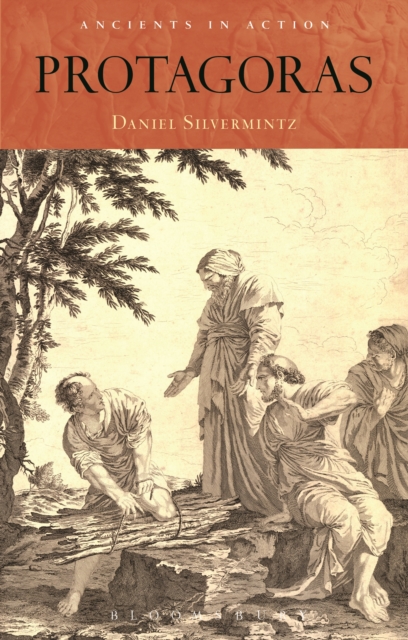
The presocratic philosopher Protagoras of Abdera (490 420 BC), founder of the sophistic movement, was famously agnostic towards the existence and nature of the gods, and was the proponent of the doctrine that 'man is the measure of all things'.