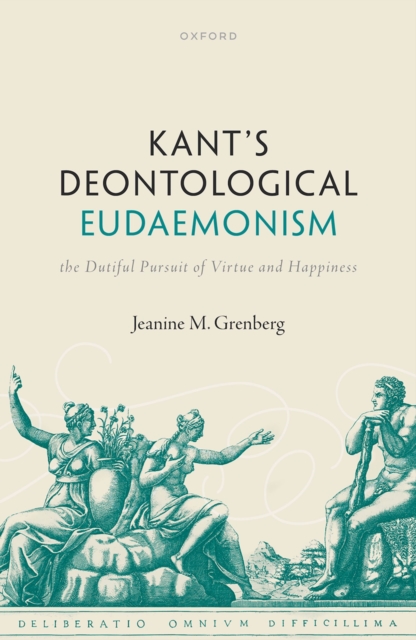
In this book, Professor Jeanine Grenberg defends the idea that Kant's virtue theory is best understood as a system of eudaemonism, indeed, as a distinctive form of eudaemonism that makes it preferable to other forms of it: a system of what she calls Deontological Eudaemonism.
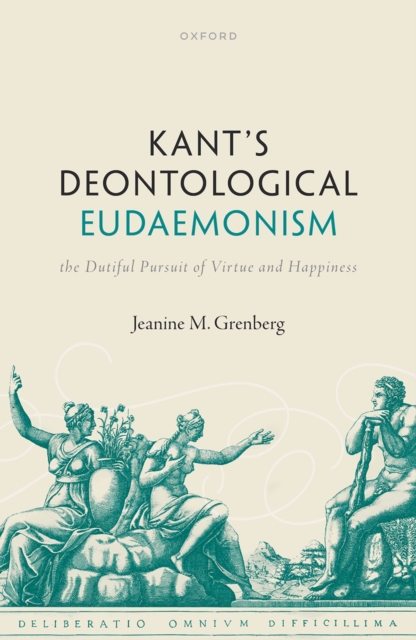
In this book, Professor Jeanine Grenberg defends the idea that Kant's virtue theory is best understood as a system of eudaemonism, indeed, as a distinctive form of eudaemonism that makes it preferable to other forms of it: a system of what she calls Deontological Eudaemonism.
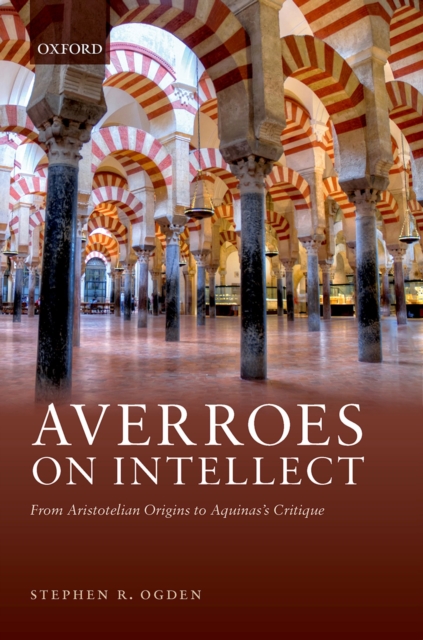
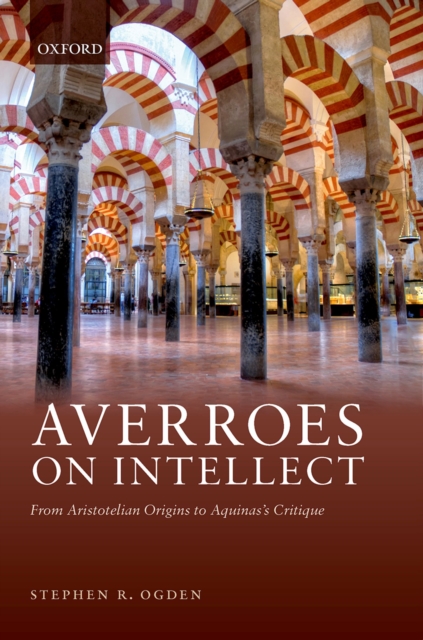
Averroes on Intellect provides a detailed analysis of the Muslim philosopher Averroes (Ibn Rushd)'s notorious unicity thesis -- the view that there is only one separate and eternal intellect for all human beings.
Averroes on Intellect provides a detailed analysis of the Muslim philosopher Averroes (Ibn Rushd)'s notorious unicity thesis -- the view that there is only one separate and eternal intellect for all human beings.
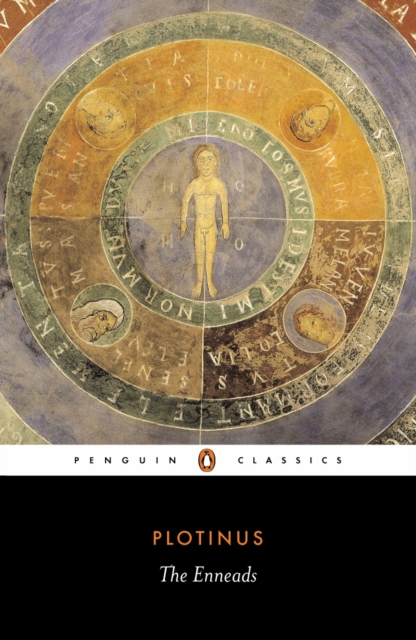
Regarded as the founder of Neo-Platonism, Plotinus (AD 204-70) was the last great philosopher of antiquity, producing 0works that proved in many ways a precursor to Renaissance thought.
Plato and the Metaphysical Feminine offers a new interpretation of the role of the female and the feminine in Plato's political dialogues--the Republic, Laws, and Timaeus--informed by Deleuze's film theory and Irigaray's psychoanalytic feminism.
Plato and the Metaphysical Feminine offers a new interpretation of the role of the female and the feminine in Plato's political dialogues--the Republic, Laws, and Timaeus--informed by Deleuze's film theory and Irigaray's psychoanalytic feminism.
Lindsay Judson and Vassilis Karasmanis present a selection of philosophical papers by an outstanding international team of scholars, assessing the legacy and continuing relevance of Socrates' thought 2,400 years after his death.
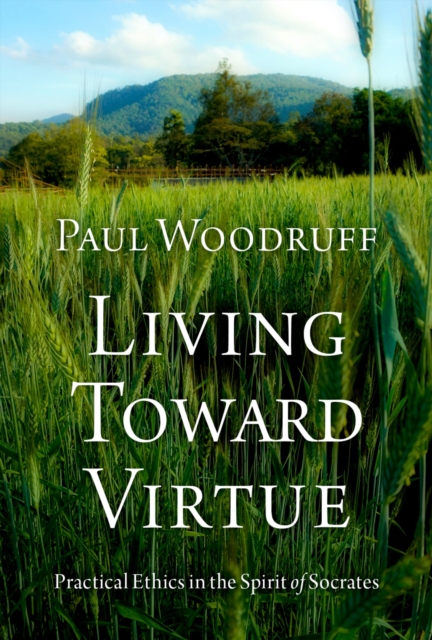
In Living toward Virtue, Paul Woodruff shows how we can set about living ethically through self-questioning, which enables us to avoid moral injury by getting clear about what we are doing and why we are doing it.
In Living toward Virtue, Paul Woodruff shows how we can set about living ethically through self-questioning, which enables us to avoid moral injury by getting clear about what we are doing and why we are doing it.
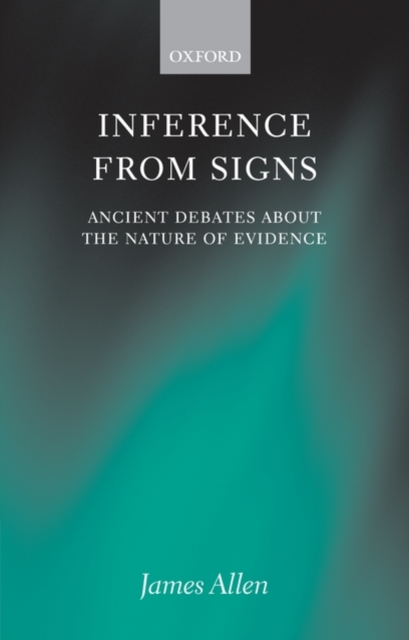
James Allen presents an original and penetrating investigation of the notion of inference from signs, which played a central role in ancient philosophical and scientific method.
In this book distinguished experts from a range of disciplines (Orientalists, philologists, philosophers, theologians and historians) address a central problem which lies at the heart of the religious and philosophical debate of late antiquity.
This is the ideal introduction to the thought of the third-century AD writer Plotinus, one of the greatest of ancient philosophers, now enjoying a major revival of interest.
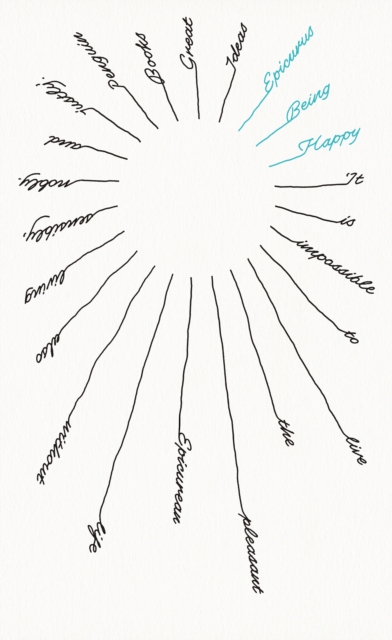
'It is impossible to live the pleasant life without also living sensibly, nobly and justly'The ancient Greek philosopher and teacher Epicurus argued that pleasure - not sensual hedonism, but the absence of pain or fear - is the highest goal of life.
Das Buch bietet einen erzählerischen Zugang zu Platon: Wie fühlt es sich an, die abendländische Philosophie ohne Vorbild zu begründen und innerlich zerrissen zu sein?
Das Buch bietet einen erzählerischen Zugang zu Platon: Wie fühlt es sich an, die abendländische Philosophie ohne Vorbild zu begründen und innerlich zerrissen zu sein?
This book offers a comprehensive guide to the works of Seneca the Younger (4 BCE-65 CE), the foremost rhetorician, tragedian, and philosopher of his time who had a major role in the politics and culture of the age of Emperor Nero.
This book offers a comprehensive guide to the works of Seneca the Younger (4 BCE-65 CE), the foremost rhetorician, tragedian, and philosopher of his time who had a major role in the politics and culture of the age of Emperor Nero.