David Weiss Halivni emerges his original approach to critical study of the Talmudic text not only in its modern printed form but as it was in its original form, the Oral Torah from the mouths of countless sages.
David Weiss Halivni emerges his original approach to critical study of the Talmudic text not only in its modern printed form but as it was in its original form, the Oral Torah from the mouths of countless sages.
Professor Gutas deals here with the lives, sayings, thought, and doctrines of Greek philosophers drawn from sources preserved in medieval Arabic translations and for the most part not extant in the original.
Professor Gutas deals here with the lives, sayings, thought, and doctrines of Greek philosophers drawn from sources preserved in medieval Arabic translations and for the most part not extant in the original.
Discussing Plato's views on knowledge, recollection, dialogue, and epiphany, this ambitious volume offers a systematic analysis of the ways that Platonic approaches to education can help students navigate today's increasingly complex moral environment.
Discussing Plato's views on knowledge, recollection, dialogue, and epiphany, this ambitious volume offers a systematic analysis of the ways that Platonic approaches to education can help students navigate today's increasingly complex moral environment.
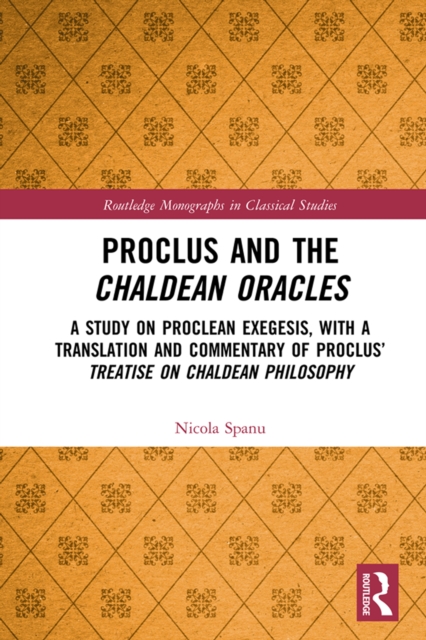
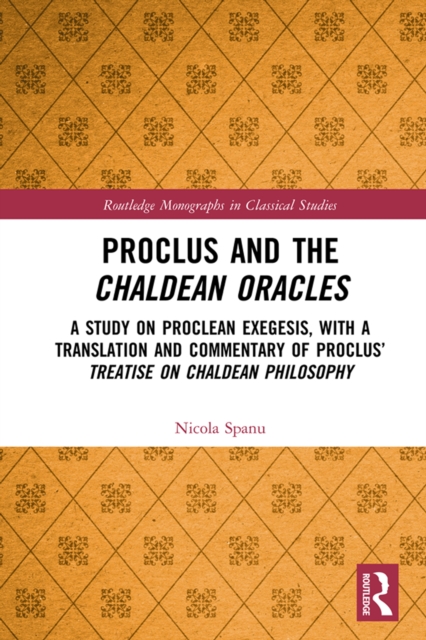
This volume examines the discussion of the Chaldean Oracles in the work of Proclus, as well as offering a translation and commentary of Proclus' Treatise On Chaldean Philosophy.
This volume examines the discussion of the Chaldean Oracles in the work of Proclus, as well as offering a translation and commentary of Proclus' Treatise On Chaldean Philosophy.
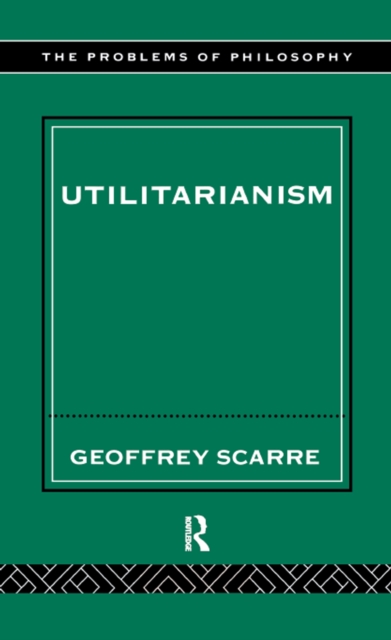
Surveying the historical development and the present condition of utilitarian ethics, Geoffrey Scarre examines the major philosophers from Lao Tzu in the fifth century BC to Richard Hare in the twentieth.
Surveying the historical development and the present condition of utilitarian ethics, Geoffrey Scarre examines the major philosophers from Lao Tzu in the fifth century BC to Richard Hare in the twentieth.
This book reconnoiters the appearances of the exceptional in Plato: as erotic desire (in the Symposium and Phaedrus), as the good city (Republic), and as the philosopher (Ion, Theaetetus, Sophist, Statesman).
This book reconnoiters the appearances of the exceptional in Plato: as erotic desire (in the Symposium and Phaedrus), as the good city (Republic), and as the philosopher (Ion, Theaetetus, Sophist, Statesman).
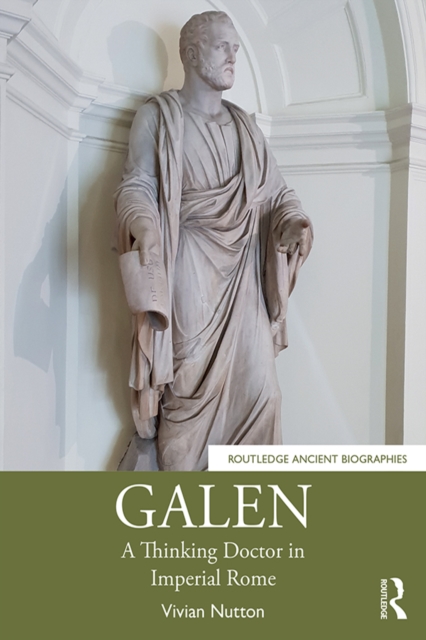
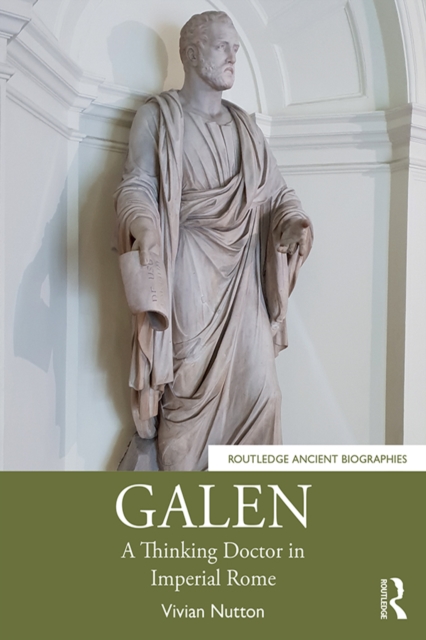
This volume offers a comprehensive biography of the Roman physician Galen, and explores his activities and ideas as a doctor and intellectual, as well as his reception in later centuries.
This volume offers a comprehensive biography of the Roman physician Galen, and explores his activities and ideas as a doctor and intellectual, as well as his reception in later centuries.
Originally published in 1921, updated in 1932 and re-issued in 1966 with an introduction by Stephan Korner, this book remains a classic introduction to the study of ethics.
Originally published in 1921, updated in 1932 and re-issued in 1966 with an introduction by Stephan Korner, this book remains a classic introduction to the study of ethics.
The late Mario Mignucci was one of the most authoritative, original, and influential scholars in the area of ancient philosophy, especially ancient logic.
The late Mario Mignucci was one of the most authoritative, original, and influential scholars in the area of ancient philosophy, especially ancient logic.
Sappho has been constructed as many things: proto-feminist, lesbian icon and even - by the Victorians - chaste headmistress of a girls' finishing school.
Marcus Tullius Cicero (106-43 BCE) introduced Romans to the major schools of Greek philosophy, forging a Latin conceptual vocabulary that was entirely new.
Marcus Tullius Cicero (106-43 BCE) introduced Romans to the major schools of Greek philosophy, forging a Latin conceptual vocabulary that was entirely new.
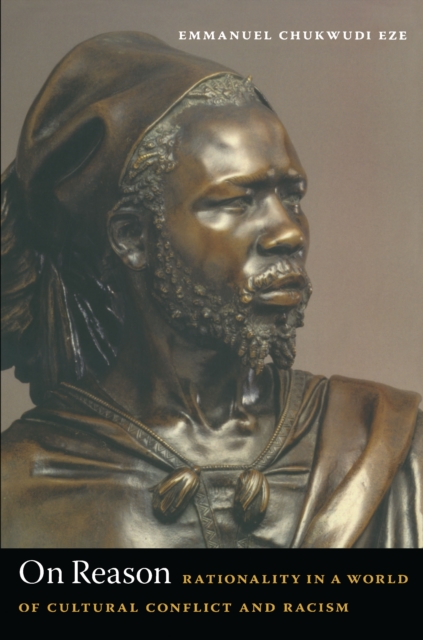
Given that Enlightenment rationality developed in Europe as European nations aggressively claimed other parts of the world for their own enrichment, scholars have made rationality the subject of postcolonial critique, questioning its universality and objectivity.
This volume provides, for the first time, a focused study of scare tactics and fearmongering in a broad range of Greek and Roman authors and genres, showing how alarmist tactics were used in both antiquity and today.
Parmenides - Plato - Plato is a Classical Greek philosopher, mathematician, student of Socrates, writer of philosophical dialogues, and founder of the Academy in Athens, the first institution of higher learning in the Western world.
Ranging over 2,500 years of philosophical writing, this five-volume collection of essays is an unrivalled companion for studying and reading philosophy.