Baruch Spinoza's Ethics is a monumental work of seventeenth-century philosophy, composed in the austere "e;geometrical"e; style of definitions, axioms, propositions, and demonstrations.
The book positions Sanskrit poetics in a postcolonial context to understand its contemporary relevance and proposes a productive future direction for this system of knowledge.
Explores ancient Taoist wisdom and Chi Kung methods to restore the skins ability to renew itself by regenerating your skins chi, or vital energy Presents easy step-by-step instructions for detoxifying techniques, circulation-enhancing activities, and energy cultivation for a radiant complexion Shares Taoist secrets for beautiful hair and looks at the connections between beauty and emotionsPresenting a holistic approach to skin health, Taoist Master Mantak Chia and skin care expert Anna Margolina, Ph.
Fusing the craft of writing with the philosophy of yoga, The Yogic Writer charts a path to the heart of creativity through the practice of yogic breathing, somatic exercises, and meditations.
Fusing the craft of writing with the philosophy of yoga, The Yogic Writer charts a path to the heart of creativity through the practice of yogic breathing, somatic exercises, and meditations.
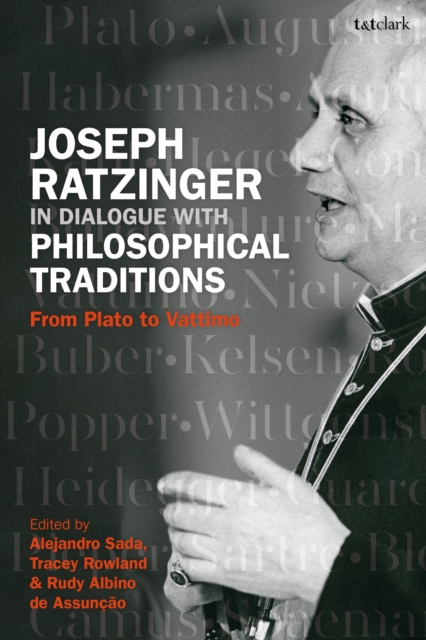
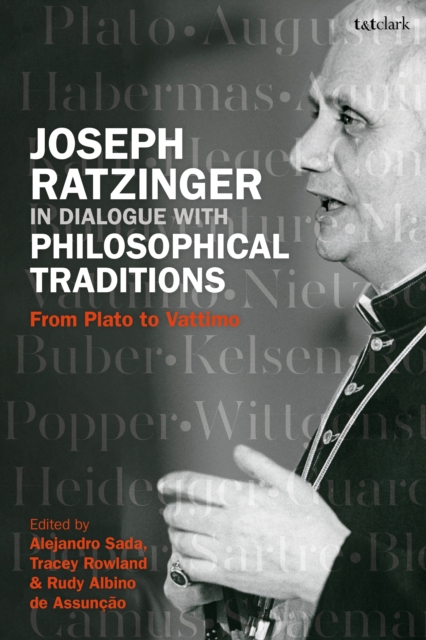
This book extensively explores the various influences and connections between Joseph Ratzinger and a number of leading philosophers; engaging with his work by means of Spanish, Portuguese, German, and English schools of thought through the contributions of a global body of scholars.
This book extensively explores the various influences and connections between Joseph Ratzinger and a number of leading philosophers; engaging with his work by means of Spanish, Portuguese, German, and English schools of thought through the contributions of a global body of scholars.
The book positions Sanskrit poetics in a postcolonial context to understand its contemporary relevance and proposes a productive future direction for this system of knowledge.
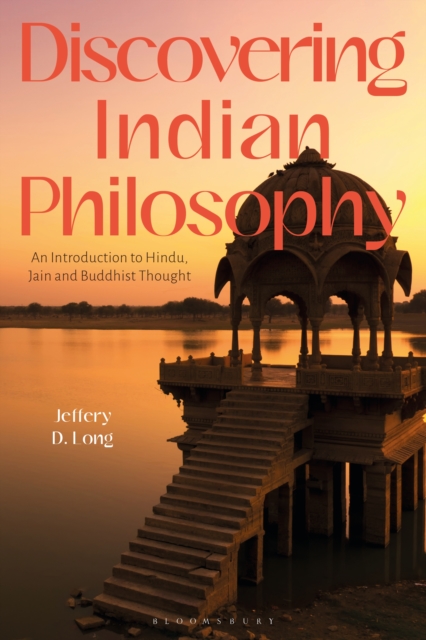
Indian Philosophy: An Introduction helps readers discover how the many and varied schools of Indian thought can answer some of the great questions of life: Who are we?
In 'Doctrine of the Mean (The Confucian Way to Achieve Equilibrium)', Confucius explores the principles of ethical behavior and social harmony essential for achieving balance and moderation in one's life.
Indian Philosophy: An Introduction helps readers discover how the many and varied schools of Indian thought can answer some of the great questions of life: Who are we?
El que ha nacido por segunda vez se parece a un manantial viviente del que fluye un agua pura y en cuyas riberas vienen a instalarse plantas, animales, hombres, toda una civilización.
The Oxford Handbook of Indian Philosophy tells the story of philosophy in India through a series of exceptional individual acts of philosophical virtuosity.
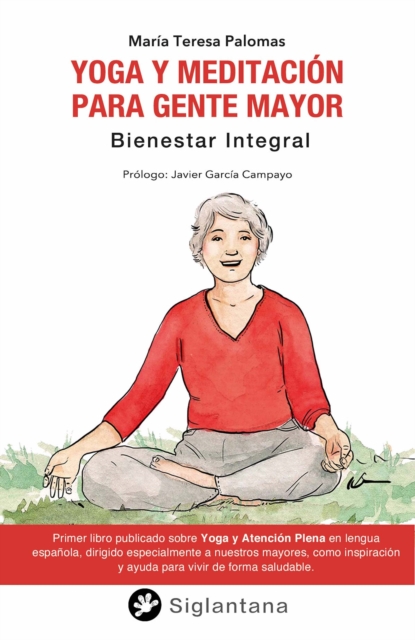
La edad no es ningún impedimento para iniciarse en el universo del yoga y la meditación, incluso si no hemos practicado estas disciplinas anteriormente.
As the second volume of a two-volume seminal work on contemporary New Confucianism in China, this book focuses on six leading thinkers of this intellectual movement in the 20th century.
As the second volume of a two-volume seminal work on contemporary New Confucianism in China, this book focuses on six leading thinkers of this intellectual movement in the 20th century.
As the first volume of a two-volume seminal work on contemporary New Confucianism in China, this book charts the development of this intellectual trend and examines four leading thinkers of this intellectual movement in the 20th century.
As the first volume of a two-volume seminal work on contemporary New Confucianism in China, this book charts the development of this intellectual trend and examines four leading thinkers of this intellectual movement in the 20th century.
Inviting new translations of classical Buddhist texts about why the self is an illusionand why giving it up can free us from sufferingFrom self-realization and self-promotion to self-help and the selfie, the modern world encourages us to be self-obsessed.
El Bhagavad Gîtâ con notas pedagógicas de Ada Albrecht, es un texto muy completo y exhaustivo que contiene detalladas explicaciones acerca de cada uno de los versos del Bhagavad Gîtâ.
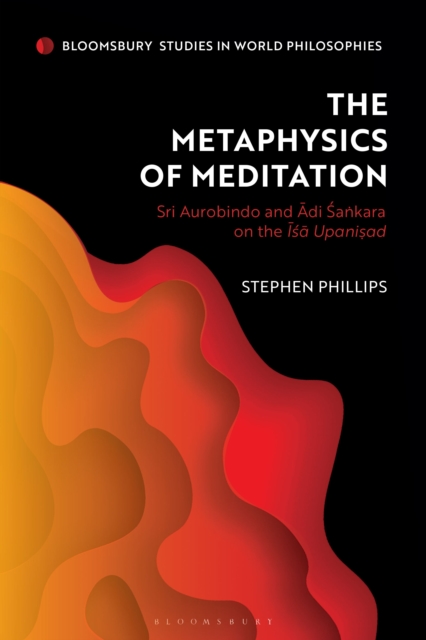
In this book Stephen Phillips focuses on one of the most important poems about meditation in world literature, as understood by two of the greatest philosophers of India, one classical, one modern.
Alte chinesische Philosophie in ihrer überwältigenden VielfaltLaozi lässt uns an seinen einundachtzig nicht ganz frei erfundenen Gesprächen mit mehr oder weniger bekannten Zeitgenossen teilhaben.
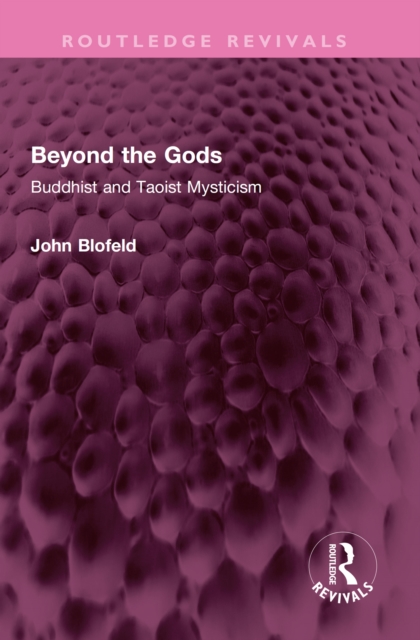
First published in 1974 Beyond the Gods argues that true mystics transcend religious boundaries, and that Eastern mysticism has increasing relevance for the troubled minds and spirits of the West.
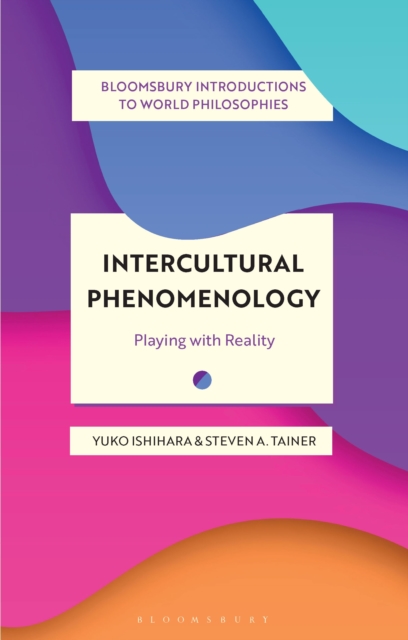
Intercultural Phenomenology explores the nature of reality by engaging in a cross-cultural dialogue between two of the most influential philosophical traditions of the 20th century.