Bringing together a number of case studies, this book shows how from early on Chinese philosophical discourses unfolded through innovation and the subversion of dominant forms of thinking.
Bringing together a number of case studies, this book shows how from early on Chinese philosophical discourses unfolded through innovation and the subversion of dominant forms of thinking.
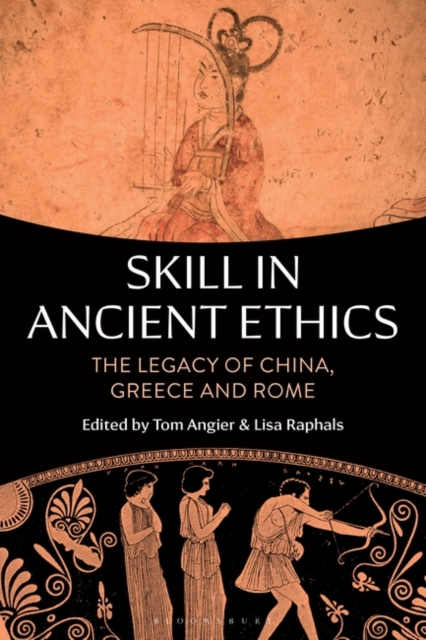
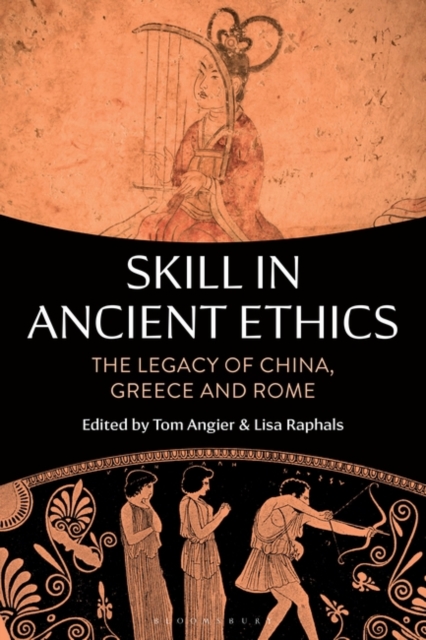
Illustrating the centrality of skill within ancient ethics, including Socrates' search for expertise in virtue, the Republic's 'craft of justice', Aristotle's delineation of the politike techne, the Stoics' 'art of life' and ancient Chinese ethics, this collection shows how skill has been an ethical touchstone from the beginning of philosophical thought.
Illustrating the centrality of skill within ancient ethics, including Socrates' search for expertise in virtue, the Republic's 'craft of justice', Aristotle's delineation of the politike techne, the Stoics' 'art of life' and ancient Chinese ethics, this collection shows how skill has been an ethical touchstone from the beginning of philosophical thought.
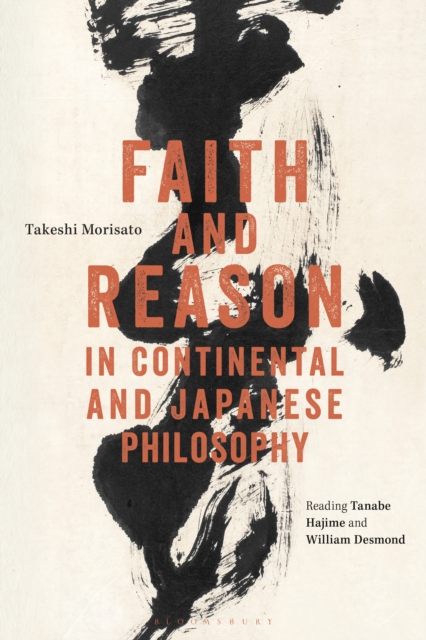
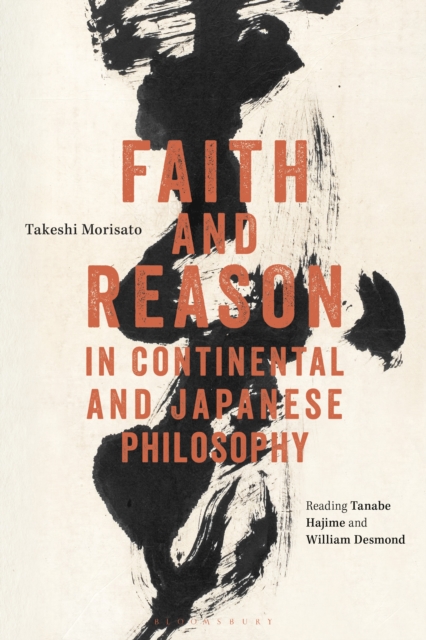
This introduction to Tanabe Hajime (1885 1962), the critical successor of the father of contemporary Japanese philosophy Nishida Kitaro (1870 1945), focuses on Tanabe's central philosophical ideas and perspective on self, world, knowledge, and the purpose of philosophizing.
This introduction to Tanabe Hajime (1885 1962), the critical successor of the father of contemporary Japanese philosophy Nishida Kitaro (1870 1945), focuses on Tanabe's central philosophical ideas and perspective on self, world, knowledge, and the purpose of philosophizing.
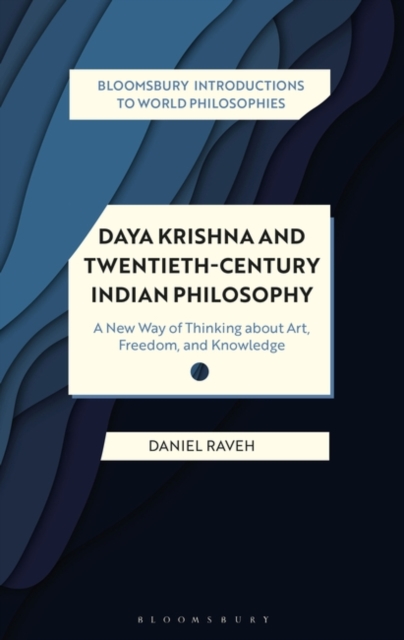
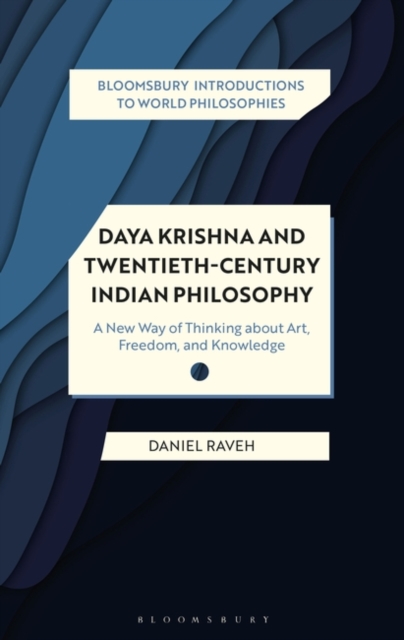
Daya Krishna and Twentieth-Century Indian Philosophy introduces contemporary Indian philosophy as a unique philosophical genre through the writings of one its most significant exponents, Daya Krishna (1924-2007).
Daya Krishna and Twentieth-Century Indian Philosophy introduces contemporary Indian philosophy as a unique philosophical genre through the writings of one its most significant exponents, Daya Krishna (1924-2007).
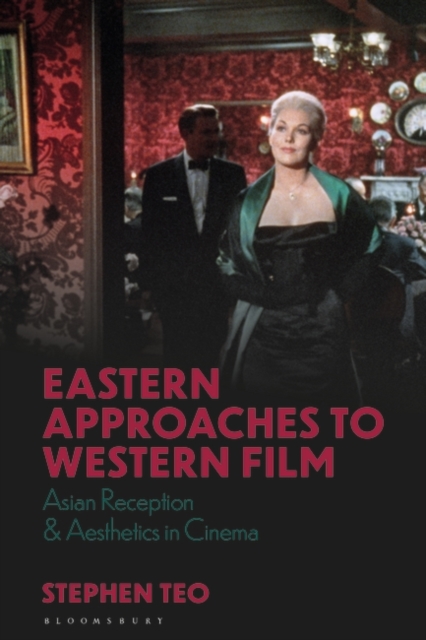
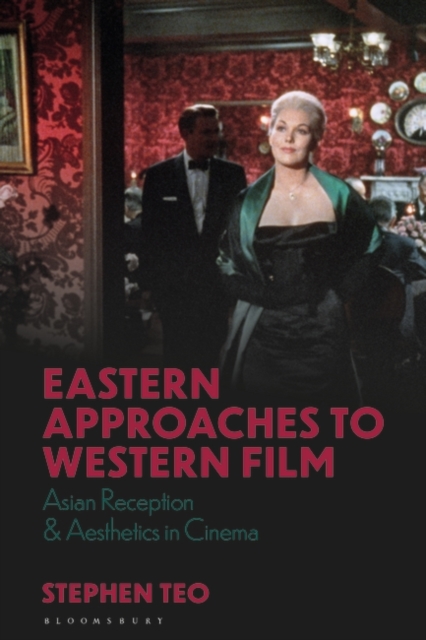
Eastern Approaches to Western Film: Asian Aesthetics and Reception in Cinema offers a renewed critical outlook on Western classic film directly from the pantheon of European and American masters, including Alfred Hitchcock, George Lucas, Robert Bresson, Carl Dreyer, Jean-Pierre Melville, John Ford, Leo McCarey, Sam Peckinpah, and Orson Welles.
Eastern Approaches to Western Film: Asian Aesthetics and Reception in Cinema offers a renewed critical outlook on Western classic film directly from the pantheon of European and American masters, including Alfred Hitchcock, George Lucas, Robert Bresson, Carl Dreyer, Jean-Pierre Melville, John Ford, Leo McCarey, Sam Peckinpah, and Orson Welles.
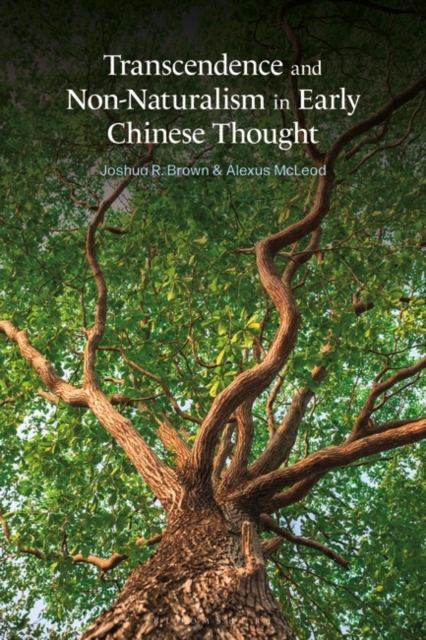
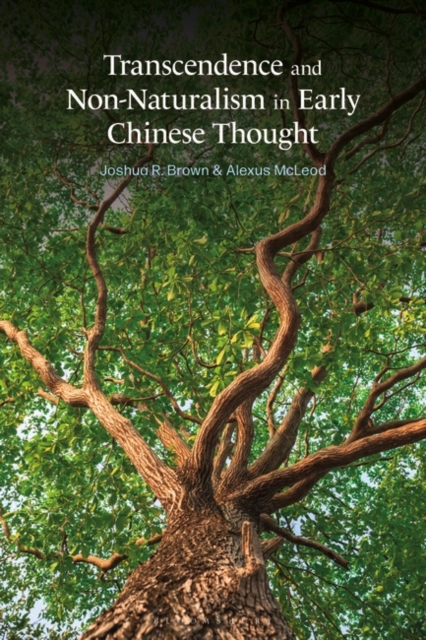
Contemporary scholars of Chinese philosophy often presuppose that early China possessed a naturalistic worldview, devoid of any non-natural concepts, such as transcendence.
Contemporary scholars of Chinese philosophy often presuppose that early China possessed a naturalistic worldview, devoid of any non-natural concepts, such as transcendence.
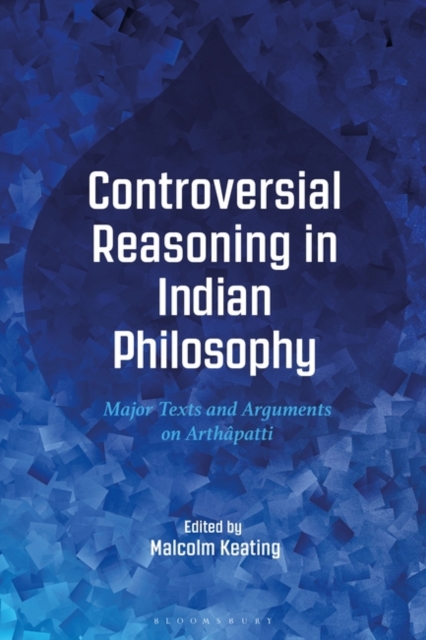
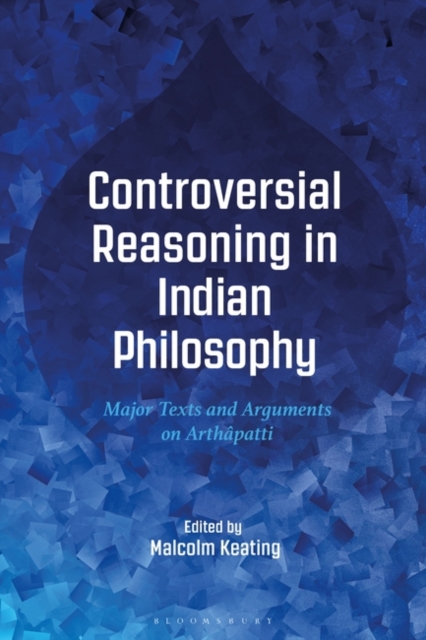
Arth patti is a pervasive form of reasoning investigated by Indian philosophers in order to think about unseen causes and interpret ordinary and religious language.
Arth patti is a pervasive form of reasoning investigated by Indian philosophers in order to think about unseen causes and interpret ordinary and religious language.
This introduction brings to life the main themes in Indian philosophy of language by using an accessible translation of an Indian classical text to provide an entry into the world of Indian linguistic theories.
This introduction brings to life the main themes in Indian philosophy of language by using an accessible translation of an Indian classical text to provide an entry into the world of Indian linguistic theories.
This handbook brings together a distinguished team of scholars from philosophy, theology, and religious studies to provide the first in-depth discussion of Vedanta and the many different systems of thought that make up this tradition of Indian philosophy.
This handbook brings together a distinguished team of scholars from philosophy, theology, and religious studies to provide the first in-depth discussion of Vedanta and the many different systems of thought that make up this tradition of Indian philosophy.
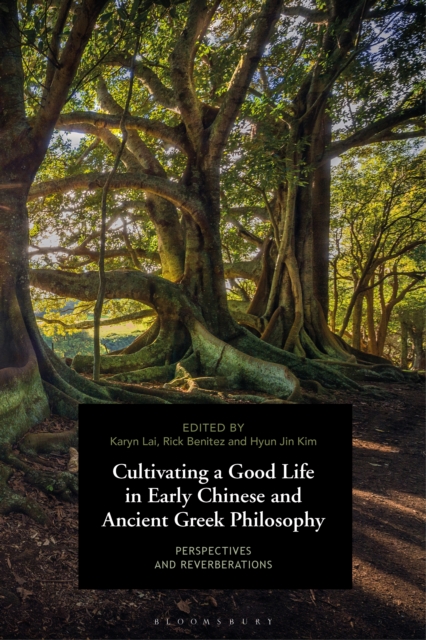
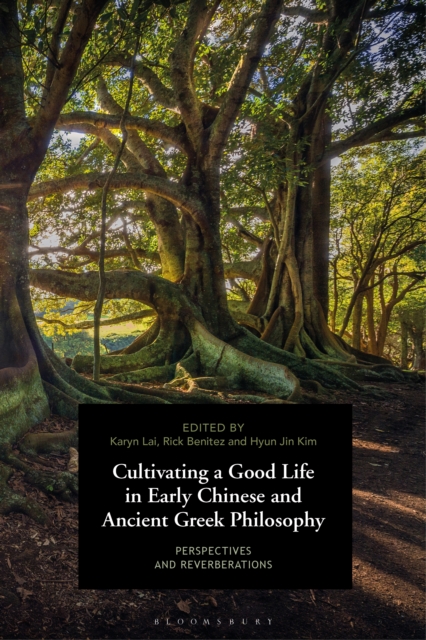
This bookengages in cross-tradition scholarship, investigating the processes associated with cultivating or nurturing the self in order to live good lives.
This bookengages in cross-tradition scholarship, investigating the processes associated with cultivating or nurturing the self in order to live good lives.
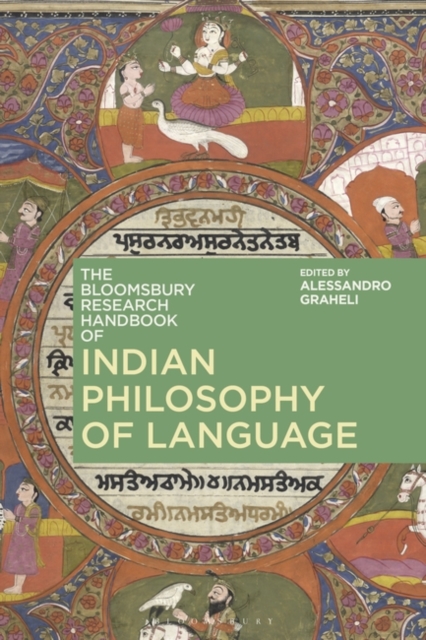
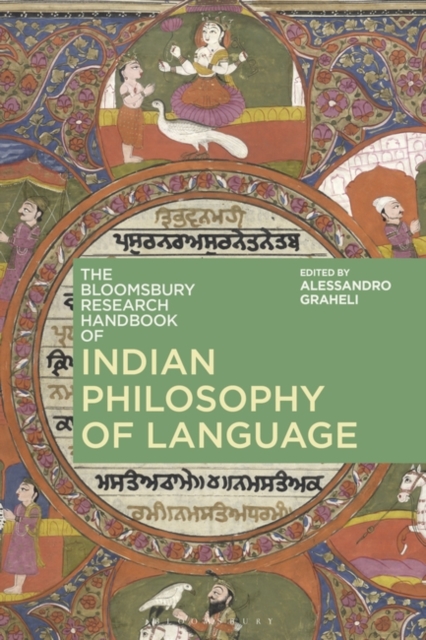
The Bloomsbury Research Handbook of Indian Philosophy of Language presents a systematic survey of philosophy of language in the Indian tradition, providing an up-to-date research resource for better understanding the history and future direction of the field.
The Bloomsbury Research Handbook of Indian Philosophy of Language presents a systematic survey of philosophy of language in the Indian tradition, providing an up-to-date research resource for better understanding the history and future direction of the field.
This book brings together over 25 years of Arindam Chakrabarti's original research in philosophy on issues of epistemology, metaphysics, and philosophy of mind.
This book brings together over 25 years of Arindam Chakrabarti's original research in philosophy on issues of epistemology, metaphysics, and philosophy of mind.
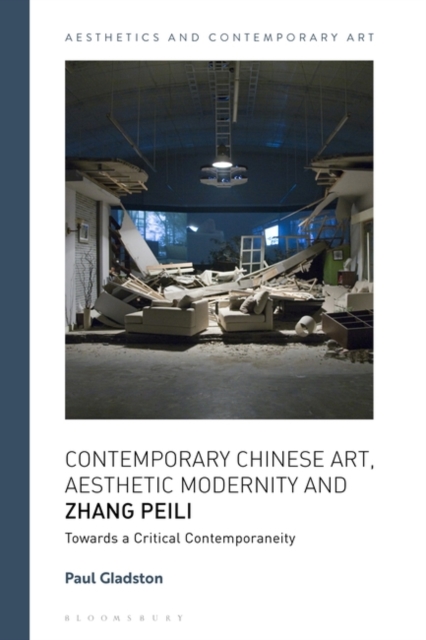
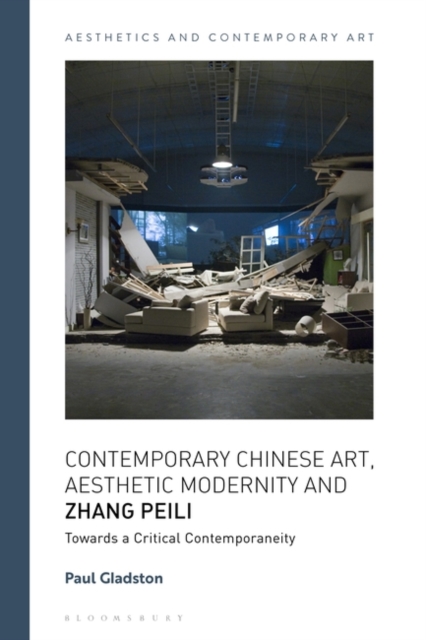
In recent decades the previously assumed dominance within the international art world of western(ized) conceptions of aesthetic modernity has been challenged by a critically becalming diversification of cultural outlooks widely referred to as 'contemporaneity'.
In recent decades the previously assumed dominance within the international art world of western(ized) conceptions of aesthetic modernity has been challenged by a critically becalming diversification of cultural outlooks widely referred to as 'contemporaneity'.
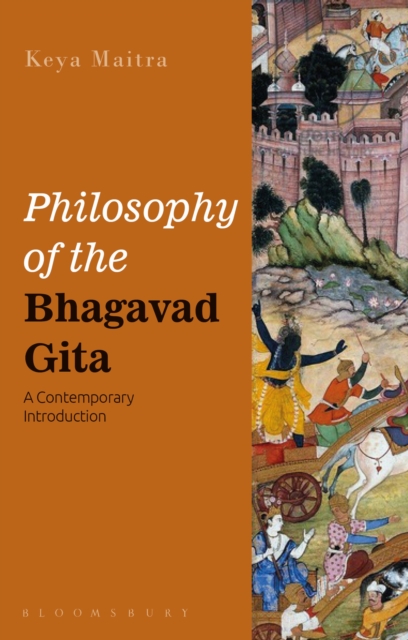
Philosophy of The Bhagavad Gita: A Contemporary Introduction presents a complete philosophical guide and new translation of the most celebrated text of Hinduism.
Philosophy of The Bhagavad Gita: A Contemporary Introduction presents a complete philosophical guide and new translation of the most celebrated text of Hinduism.
A richly complex study of the Yogacara tradition of Buddhism, divided into five parts: the first on Buddhism and phenomenology, the second on the four basic models of Indian Buddhist thought, the third on karma, meditation and epistemology, the fourth on the Trimsika and its translations, and finally the fifth on the Ch'eng Wei-shih Lun and Yogacara in China.
A richly complex study of the Yogacara tradition of Buddhism, divided into five parts: the first on Buddhism and phenomenology, the second on the four basic models of Indian Buddhist thought, the third on karma, meditation and epistemology, the fourth on the Trimsika and its translations, and finally the fifth on the Ch'eng Wei-shih Lun and Yogacara in China.
The transcripts of the three Kyoto School roundtable discussions of the theme of 'the standpoint of world history and Japan' may now be judged to form the key source text of responsible Pacific War revisionism.
The transcripts of the three Kyoto School roundtable discussions of the theme of 'the standpoint of world history and Japan' may now be judged to form the key source text of responsible Pacific War revisionism.
Based on newly discovered texts, this book explores the barely known but tremendously influential thought of the Tibetan Buddhist teacher, Mabja Jangchub Tsondru (d.
Based on newly discovered texts, this book explores the barely known but tremendously influential thought of the Tibetan Buddhist teacher, Mabja Jangchub Tsondru (d.
This is a subset of the Sacred Books of the East Series which includes translations of all the most important works of the seven non-Christian religions which have exercised a profound influence on the civilizations of the continent of Asia.
This is a subset of the Sacred Books of the East Series which includes translations of all the most important works of the seven non-Christian religions which have exercised a profound influence on the civilizations of the continent of Asia.