This updated landmark volume makes available for the first time in decades the teachings that were formative to a whole generation of American Zen teachers and students.
Written by a great modern Nyingma master, Dudjom Rinpoche's The Nyingma School of Tibetan Buddhism covers in detail and depth both the fundamental teachings and the history of Tibetan Buddhism's oldest school.
Dzogchen, or the "e;Great Perfection,"e; is considered by many to be the apex of Tibetan Buddhism, and Longchen Rabjam is the most celebrated of all the saints of this remarkable tradition.
Tsongkhapa (1357-1419), the author of The Great Treatise on the Stages of the Path to Enlightenment and the teacher of the First Dalai Lama, is renowned as one of the greatest scholar-saints that Tibet has ever produced.
The premiere volume of Thupten Jinpas thirty-two-volume Library of Tibetan Classics series, inaugurated to coincide with the Dalai Lamas conferral of the initiation rite of Kalacakra in Toronto in April 2004.
For centuries, Dzogchen - a special meditative practice to achieve spontaneous enlightenment - has been misinterpreted by both critics and malinformed meditators as being purely mystical and anti-rational.
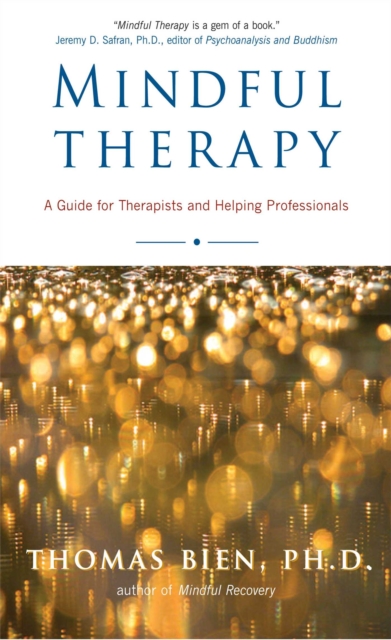
Welcome and much-needed addition to the literature for psychotherapists, therapists-in-training, and occupational therapists and other types of teachers.
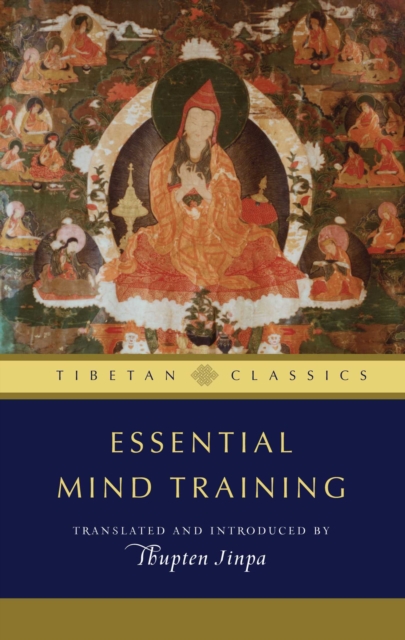
Essential Mind Training is the first volume in the Tibetan Classics series, which aims to make available accessible paperback editions of key Tibetan Buddhist works drawn from Wisdom Publications' Library of Tibetan Classics.
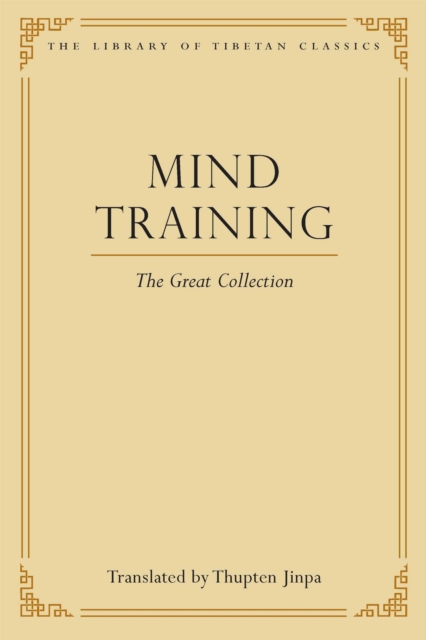
Compiled in the fifteenth century, Mind Training: The Great Collection is the earliest anthology of a special genre of Tibetan literature known as "e;mind training,"e; or lojong in Tibetan.
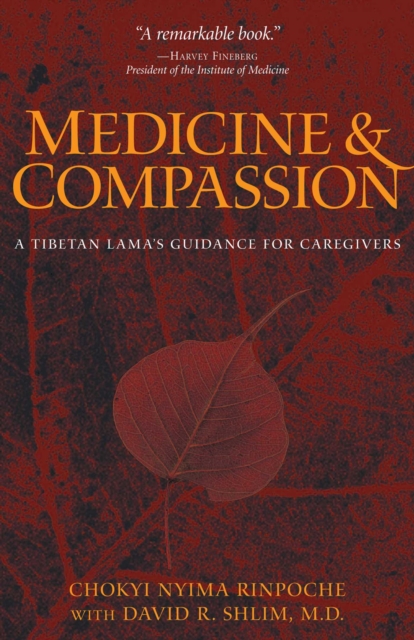
Sure to be welcomed by caregivers of all types, the groundbreaking new Medicine and Compassion can help anyone reconnect with the true spirit of their caregiving task.
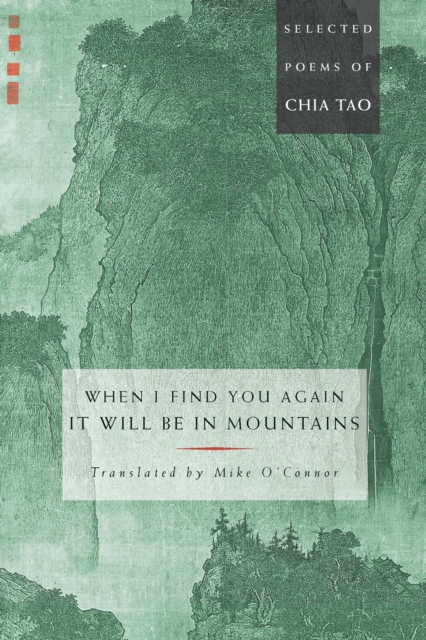
Chia Tao (779-843), an erstwhile Zen monk who became a poet during Chinas Tang dynasty, recorded the lives of the sages, masters, immortals, and hermits who helped establish the great spiritual tradition of Zen Buddhism in China.
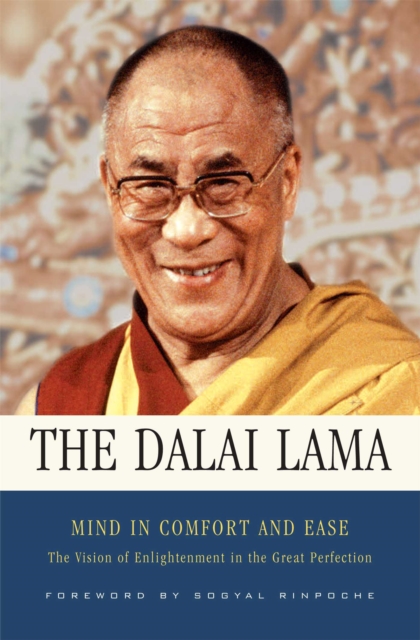
Here, in a teaching of outstanding completeness and clarity, the Dalai Lama sets out the key principles of Buddhism, showing how the mind can be transformed, and suffering overcome, through love, compassion, and a true understanding of the nature of reality.
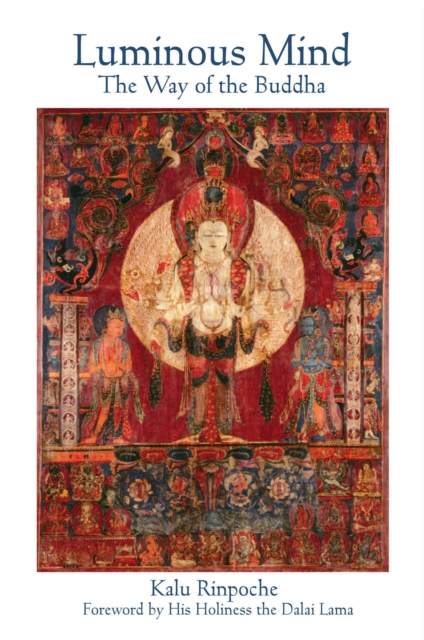
Luminous Mind is a remarkable compilation of the oral and written teachings of the late Kalu Rinpoche - who was called "e;a beacon of inspiration"e; by the Dalai Lama.
When Adhe Tapontsang--or Ama (Mother) Adhe, as she is affectionately known--left Tibet in 1987, she was allowed to do so on the condition that she remain silent about her twenty-seven years in Chinese prisons.
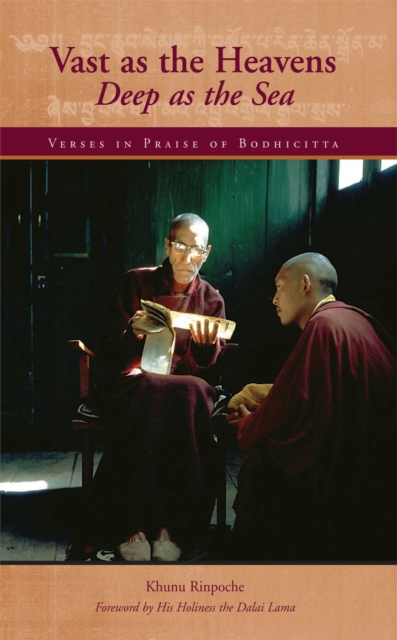
Revered by many--especially His Holiness the Dalai Lama--as the very embodiment of altruism, the late Khunu Rinpoche Tenzin Gyaltsen devoted his life to the development of bodhicitta--the aspiration to achieve enlightenment for the sake of all sentient beings.
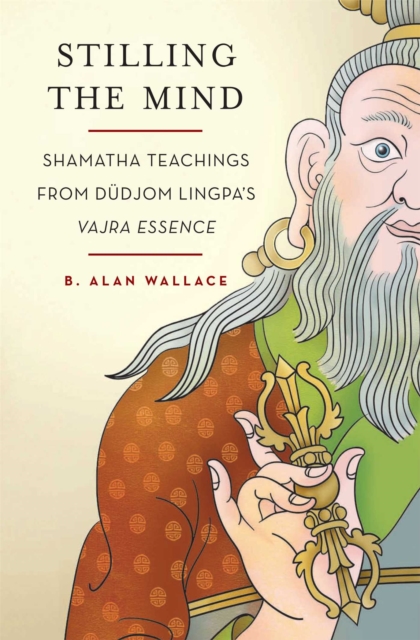
In his previous book, The Attention Revolution, bestselling author Alan Wallace guided readers through the stages of shamatha, a meditation for focusing the mind.
The kitchen is the most vital place on Earth, because survival, even now in the age of iPads and large hadron colliders, still depends on wholesome, nutritious food.
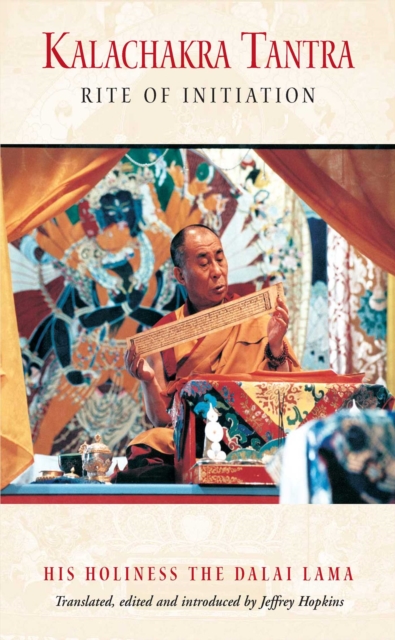
Associated with the promotion of world peace, the Kalachakra - or Wheel of Time - tantra is one of the most detailed and encompassing systems of theory and practice within Tibetan Buddhism.
Learn the ropes of a cultivating a resilient and warm heart, even in the face of great difficulty, from one of the most beloved of the last generation of lamas trained in pre-invasion Tibet.
Not only was Lama Yeshe one of the most beloved Tibetan Buddhist masters of the late twentieth century, he was also a remarkably effective teacher and communicator.
Whether through lyrical celebrations of the wonders of nature; paeans to the steadfastness of women; or salutations to the world leaders who have in their various ways provided inspiration to his lifelong devotion to the causes of peace, justice and education, Daisaku Ikeda in his poems expresses unwavering commitment to the development of a humanistic global culture.
A luxury, keep-sake edition of an ancient Chinese scripture This ancient text, fundamental to Taoism, has become a source of inspiration and guidance for millions in modern society.
A luxury, keep-sake edition of an ancient Chinese scripture This ancient text, fundamental to Taoism, has become a source of inspiration and guidance for millions in modern society.
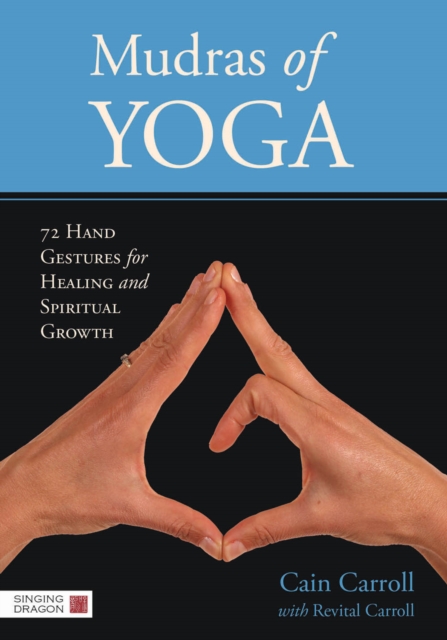
Hand mudras have been used for centuries in yogic traditions to promote health and wellbeing, and they are considered valuable tools on the path of spiritual awakening.