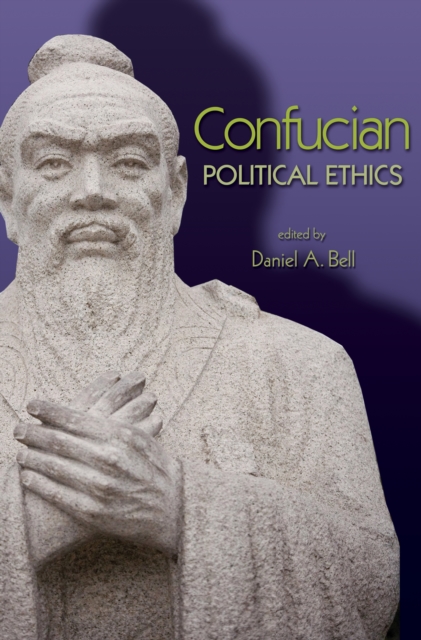
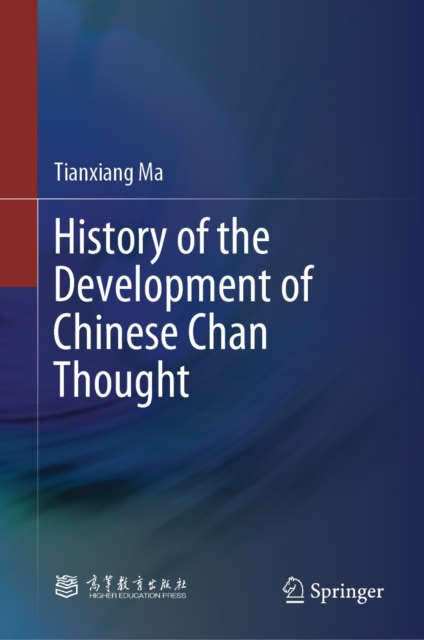
This book introduces into the current global ethics debate models of humanism developed in classical Chinese traditions, which have not yet been comprehensively presented to Western scholarship or integrated into the framework of global discourses on social ethics and morality.
365 Daily Meditations on Freedom, Personal Transformation, Living Fully, and Much More, from the Man the Dalai Lama Described as "e;One of the Greatest Thinkers of the Age"e;
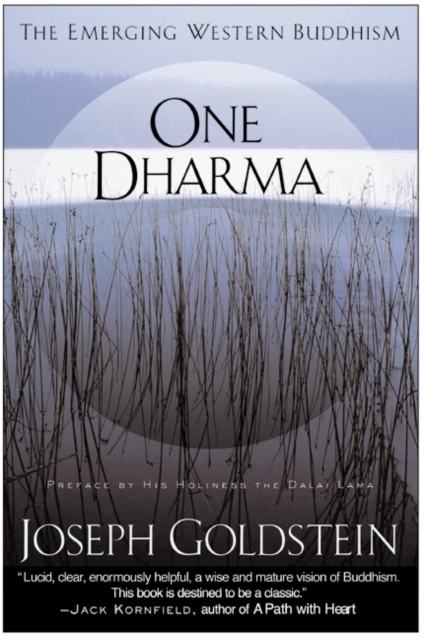
One of America's foremost Buddhist teachers shares a "e;wise and mature vision of Buddhism [that is] destined to be a classic"e;-preface by the Dalai Lama (Jack Kornfield).
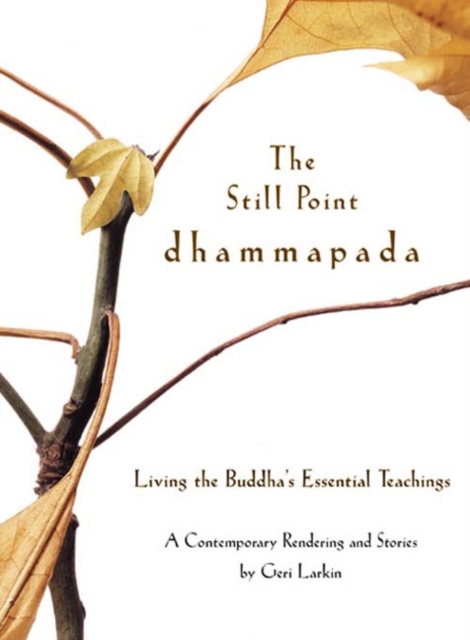
The Dhammapada is much loved by Buddhist practitioners as a simple and straightforward rendition of some of Buddha's core teachings, and is read daily by thousands of people.
That Bird Has My Wings is the astounding memoir of death row inmate Jarvis Masters and a testament to the tenacity of the human spirit and the talent of a fine writer.
Drawing on Tibetan, Hindu, Taoist, Christian and Kabbalistic traditions, Andrew Harvey shows why he believes the direct path is now essential to the future survival of humanity - and how the truth and vibrancy of this radical vision depends on reclamation of the Sacred Feminine.
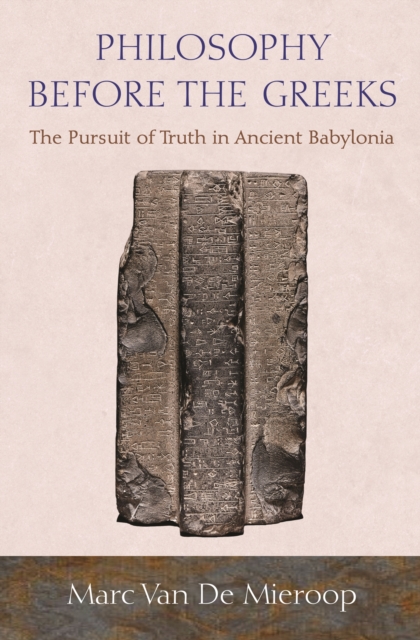
There is a growing recognition that philosophy isn't unique to the West, that it didn't begin only with the classical Greeks, and that Greek philosophy was influenced by Near Eastern traditions.
How a Greek philosopher's encounters with Buddhism in Central Asia influenced Western philosophyPyrrho of Elis went with Alexander the Great to Central Asia and India during the Greek invasion and conquest of the Persian Empire in 334-324 BC.
This is the first complete, one-volume English translation of the ancient Chinese text Xunzi, one of the most extensive, sophisticated, and elegant works in the tradition of Confucian thought.
New from the bestselling author of The Tibetan Book of Living and Dying--365 thought-provoking meditations on life, death, doubt, mindfulness, compassion, wisdom, work, and more!
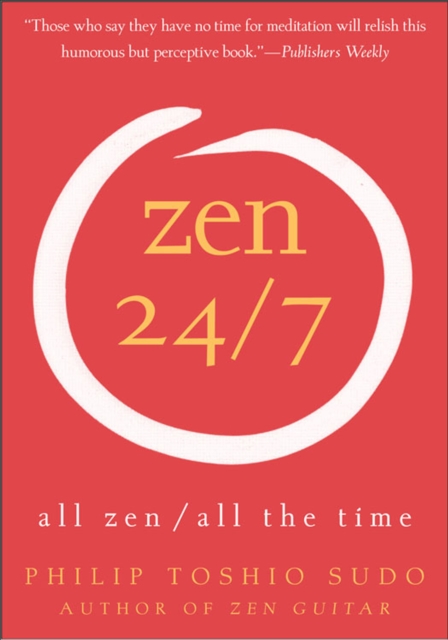
You've probably heard about the benefits of meditation: Sharper thinking, reduced stress, improved concentration, lower blood pressure, even increased sexual pleasure , all of these positive effects have been confirmed by science.
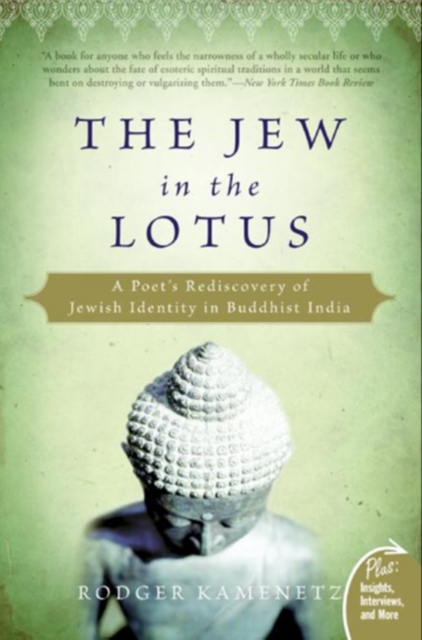
While accompanying eight high-spirited Jewish delegates to Dharamsala, India, for a historic Buddhist-Jewish dialogue with the Dalai Lama, poet Rodger Kamenetz comes to understand the convergence of Buddhist and Jewish thought.
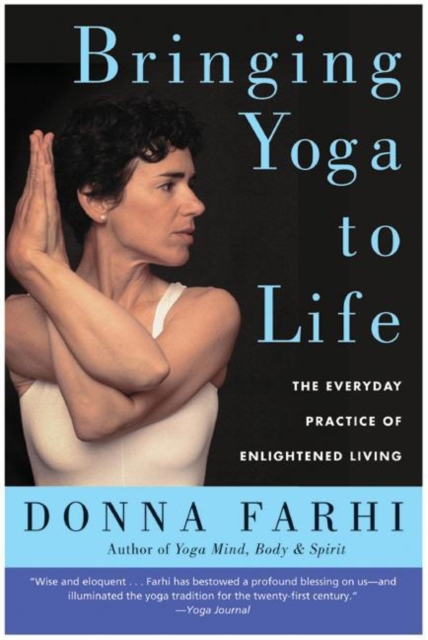
Internationally renowned and bestselling author Donna Farhi moves yoga practice beyond the mat into our everyday lives, restoring the tradition's intended function as a complete, practical philosophy for daily living.
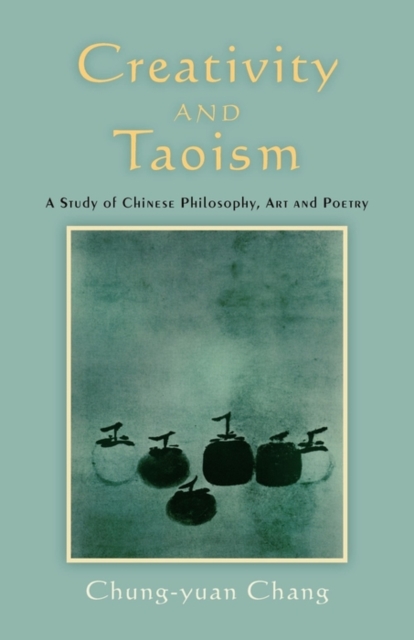
In Creativity and Taoism, Chang Chung-yuan makes the elusive principle of Tao available to the western mind with objectivity, warmth, and depth of insight.
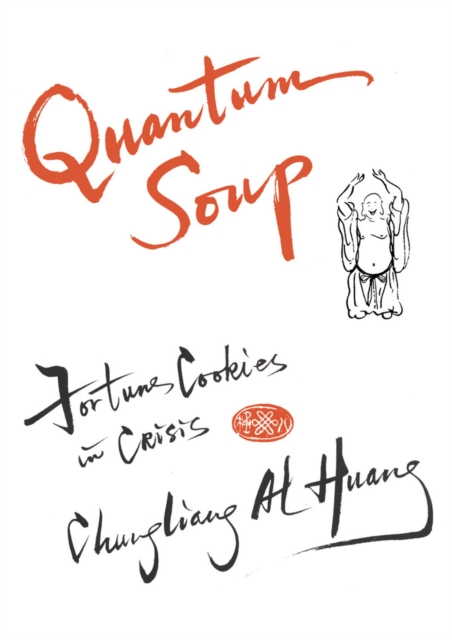
Peppered with a delicate mix of wisdom and humor, this new and enlarged edition of Quantum Soup is a light-hearted yet informative combination of happy anecdotes and traditional Chinese sensibilities in a Western setting.
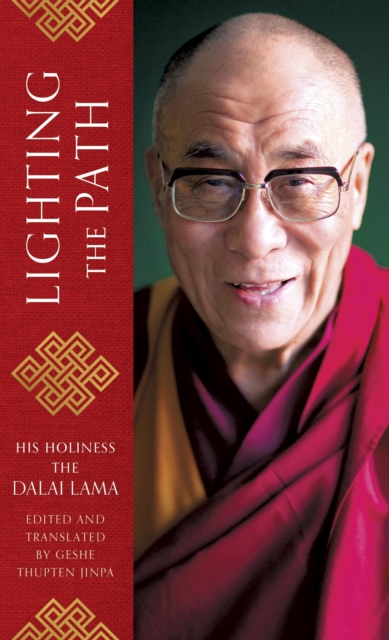
In this accessible and important follow up to The Art of Happiness His Holiness the Dalai Lama teaches us how to live a happier and more spiritual life by fostering compassion and wisdom.
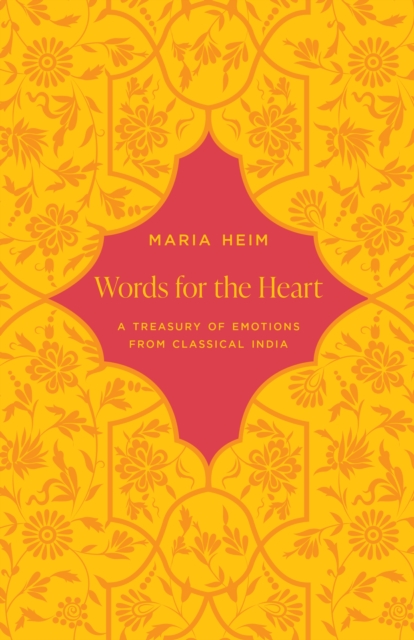
A richly diverse collection of classical Indian terms for expressing the many moods and subtleties of emotional experienceWords for the Heart is a captivating treasury of emotion terms drawn from some of India's earliest classical languages.
How a hybrid Confucian-engendered form of governance might solve today's political problemsWhat might a viable political alternative to liberal democracy look like?
Renew your sense of purpose to achieve health and happiness with this actionable guide that incorporates astrology, integrative wellness, and positive psychology - from a renowned astrologer and integrative health practitioner.
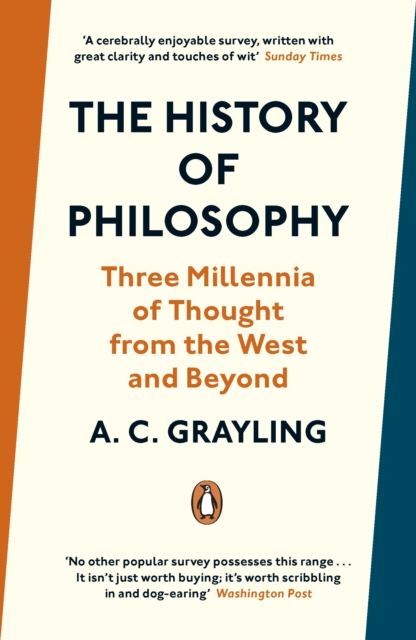
AUTHORITATIVE AND ACCESSIBLE, THIS LANDMARK WORK IS THE FIRST SINGLE-VOLUME HISTORY OF PHILOSOPHY SHARED FOR DECADES'A cerebrally enjoyable survey, written with great clarity and touches of wit' Sunday Times The story of philosophy is an epic tale: an exploration of the ideas, views and teachings of some of the most creative minds known to humanity.
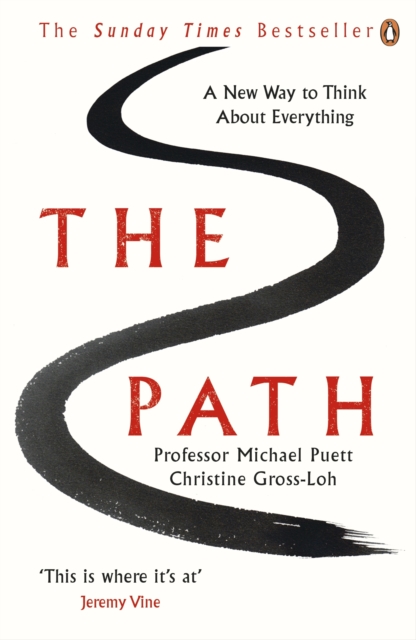
INTERNATIONAL BESTSELLERSUNDAY TIMES TOP TEN BESTSELLERHarvard's most popular professor explains how thinkers from Confucius to Zhuangzi can transform our livesThe first book of its kind, The Path draws on the work of the great but largely unknown Chinese philosophers to offer a profound guide to living well.