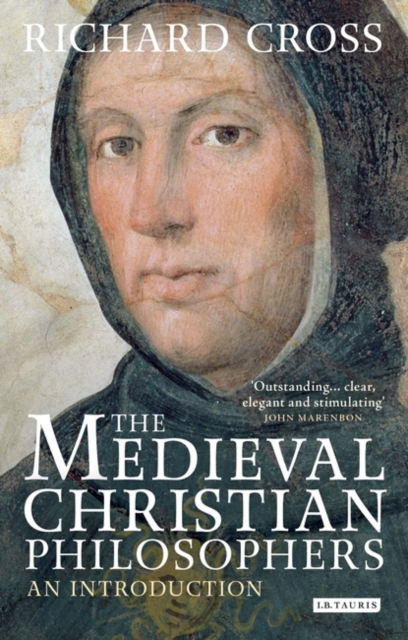
This book introduces Thomas Aquinas's own principal fascinations in philosophy: rational theology, metaphysics, human nature, philosophy of mind, and value theory.
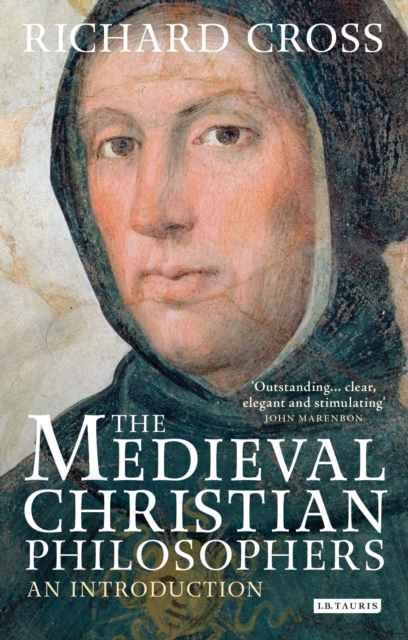
The High Middle Ages were remarkable for their coherent sense of 'Christendom': of people who belonged to a homogeneous Christian society marked by uniform rituals of birth and death and worship.
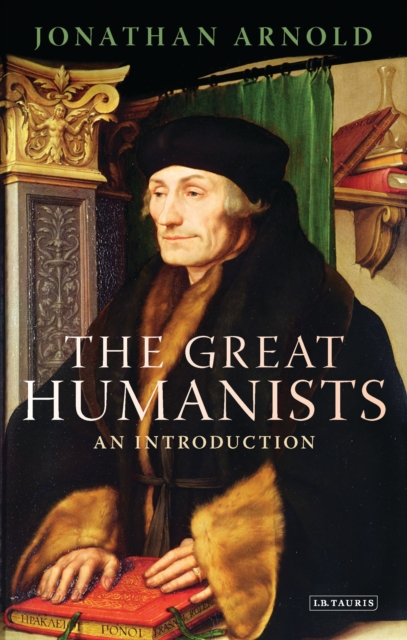
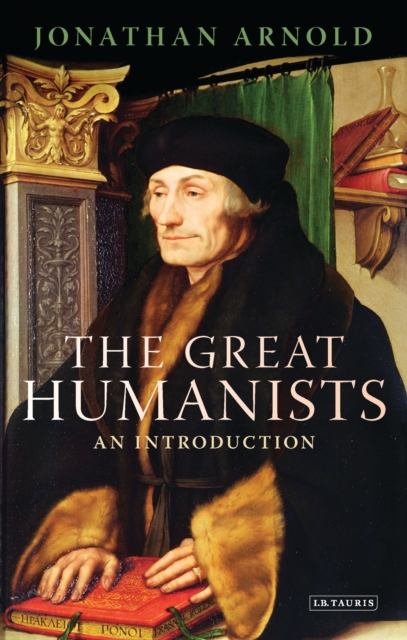
Born out of a love of language, text, classical learning, art, philosophy and philology, the Christian Humanist project lasted beyond the turmoil of sixteenth-century Europe to survive in a new form in post-Reformation thought.
The High Middle Ages were remarkable for their coherent sense of 'Christendom': of people who belonged to a homogeneous Christian society marked by uniform rituals of birth and death and worship.
Born out of a love of language, text, classical learning, art, philosophy and philology, the Christian Humanist project lasted beyond the turmoil of sixteenth-century Europe to survive in a new form in post-Reformation thought.
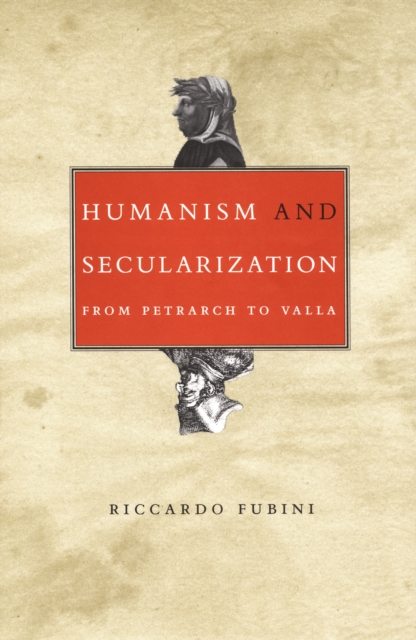
The Renaissance movement known as humanism eventually spread from Italy through all of western Europe, transforming early modern culture in ways that are still being felt and debated.
First published in 1548, On the Beauty of Women purports to record two conversations shared by a young gentleman, Celso, and four ladies of the upper bourgeoisie in the vicinity of Florence.
Ranging over 2,500 years of philosophical writing, this five-volume collection of essays is an unrivalled companion to the study and reading of philosophy.
Noonan shows that at the core of postmodern philosophy, with its claim that culture creates humans, is a concern to dethrone the modern understanding of human beings as subjects, as builders of their world and free when those world-building activities are the outcome of free choices.
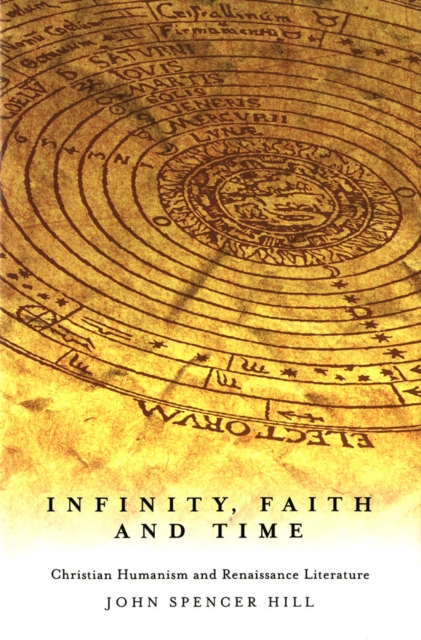
In Part 1 Hill examines the effect of the idea of spatial infinity on seventeenth-century literature, arguing that the metaphysical cosmology of Nicholas of Cusa provided Renaissance writers, such as Pascal, Traherne, and Milton, with a way to construe the vastness of space as the symbol of human spiritual potential.
The typical Cartesian collection contains papers which treat the problems arising out of Descartes's philosophy as though they and it appeared for the first time in a recent journal.
This book introduces readers to Thomistic philosophy through selected topics such as being, God, teleology, truth, persons and knowledge, ethics, and universals.
Thomas More remains one of the most enigmatic thinkers in history, due in large part to the enduring mysteries surrounding his best-known work, Utopia.
Dieses eBook: "Einführung in die Hauptfragen der Philosophie" ist mit einem detaillierten und dynamischen Inhaltsverzeichnis versehen und wurde sorgfältig korrekturgelesen.
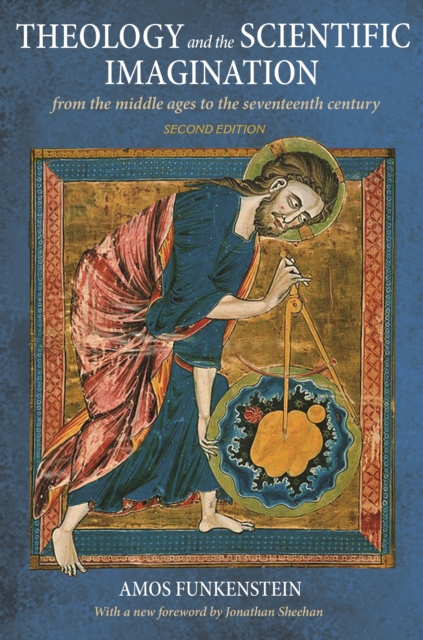
Theology and the Scientific Imagination is a pioneering work of intellectual history that transformed our understanding of the relationship between Christian theology and the development of science.
Including the first English edition of the Treatise of the Three Impostors since 1904, this book examines the treatise in its literary, political, and philosophical context.
This volume presents a panorama of Syriac engagement with Aristotelian philosophy primarily situated in the 6th to the 9th centuries, but also ranging to the 13th.
This volume presents a panorama of Syriac engagement with Aristotelian philosophy primarily situated in the 6th to the 9th centuries, but also ranging to the 13th.
Originally published in 1993, Modalities in Medieval Philosophy looks at the idea of modality as multiplicity of reference with respect to alternative domains.
Originally published in 1993, Modalities in Medieval Philosophy looks at the idea of modality as multiplicity of reference with respect to alternative domains.
Originally published in 1965, English Justice between the Norman Conquest and the Great Charter discusses the history of English justice in the period of the Norman Conquest, of the Angevin achievements, and of the contrasting reigns of Richard I and John.