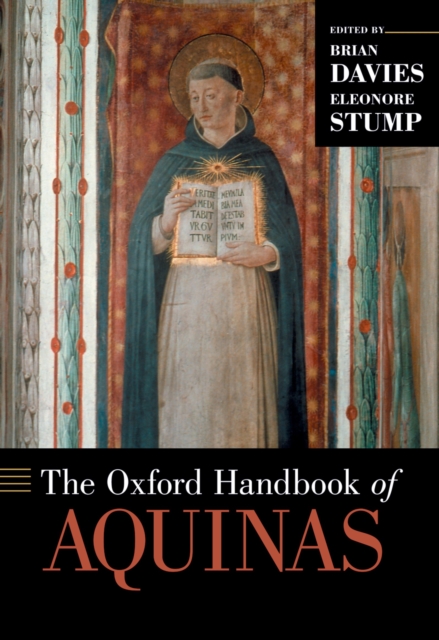
Brian Davies offers the first in-depth study of Saint Thomas Aquinas's thoughts on God and evil, revealing that Aquinas's thinking about God and evil can be traced through his metaphysical philosophy, his thoughts on God and creation, and his writings about Christian revelation and the doctrines of the Trinity and the Incarnation.
Brian Davies offers the first in-depth study of Saint Thomas Aquinas's thoughts on God and evil, revealing that Aquinas's thinking about God and evil can be traced through his metaphysical philosophy, his thoughts on God and creation, and his writings about Christian revelation and the doctrines of the Trinity and the Incarnation.
Born in Saxony in 1096, Hugh became an Augustinian monk and in 1115 moved to the monastery of Saint Victor, Paris, where he spent the remainder of his life, eventually becoming the head of the school there.
Following a scholarly account of Thomas Aquinas's life, Davies explores his purposes in writing the Summa Theologiae and works systematically through each of its three Parts.
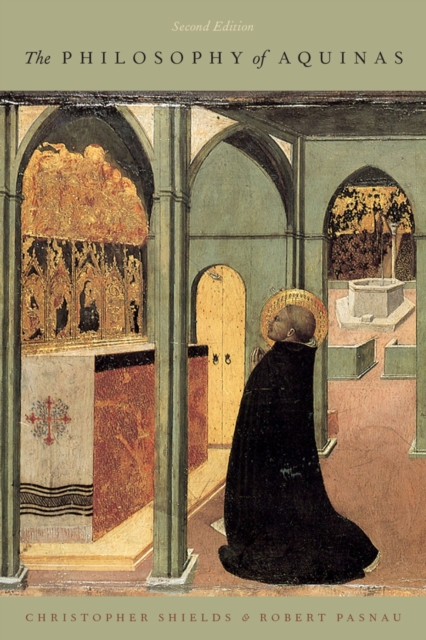
This new and updated edition of Christopher Shields and Robert Pasnau's The Philosophy of Aquinas introduces the Aquinas' overarching explanatory framework in order to provide the necessary background to his philosophical investigations across a wide range of areas: rational theology, metaphysics, philosophy of human nature, philosophy of mind, and ethical and political theory.
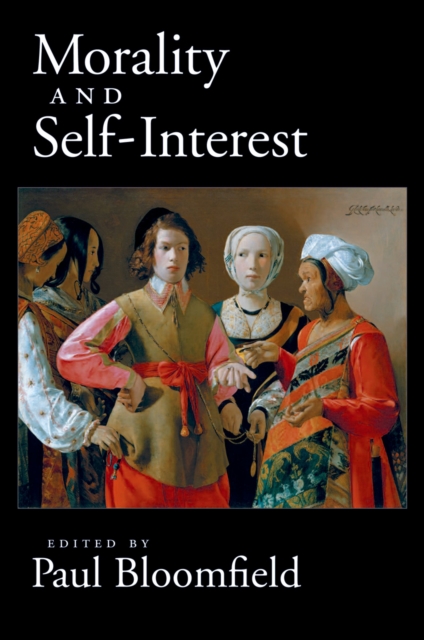
Ever since "e;Know Thyself"e; was inscribed at Delphi, Western philosophers have struggled to understand the relations between morality and self-interest.
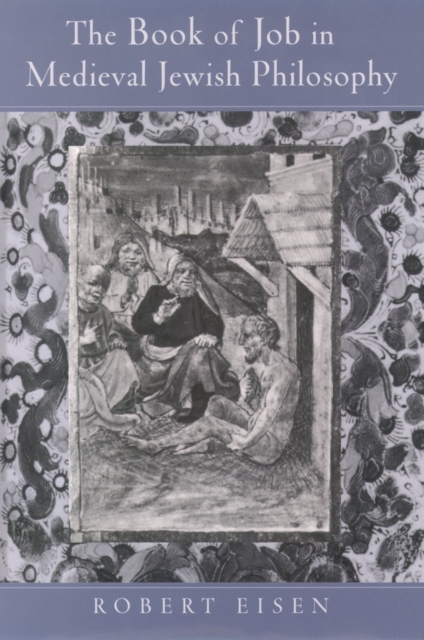
Medieval Jewish philosophers have been studied extensively by modern scholars, but even though their philosophical thinking was often shaped by their interpretation of the Bible, relatively little attention has been paid to them as biblical interpreters.
Peter Lombard is best known as the author of a celebrated work entitled Book of Sentences, which for several centuries served as the standard theological textbook in the Christian West.
The work of Thomas Aquinas has always enjoyed a privileged position as a pillar of Catholic theology, but for centuries his standing among western philosophers was less sure.
Archbishop of Canterbury from 1272 until his death in 1279, the Dominican friar Robert Kildwardby has long been known primarily for his participation in the Oxford Prohibitions of 1277, but his contributions spread far wider.
A synthesis of literary critical and historical methods, Porterfield's book combines insightful analysis of Puritan theological writings with detailed examinations of historical records showing the changing patterns of church membership and domestic life.
Attacks nothing less than the currently prevailing world philosophy--humanism, which the author feels is exceedingly dangerous in its hidden assumptions.
A study of problems, all revolving around the subject of intellect in the philosophies of Alfarabi, Avicenna, and Averroes, this book starts by reviewing discussions in Greek and early Arabic philosophy which served as the background for the three Arabic thinkers.
The influential scholar of religion Mircea Eliade envisioned a spiritually destitute modern culture coming into renewed meaning through the recovery of archetypal myths and symbols.
Robert Grosseteste (c 1168-1253) was the initiator of the English scientific tradition, one of the first chancellors of Oxford University, and a famous teacher and commentator on the newly discovered works of Aristotle.
This volume provides a brief and accessible introduction to the 9th-century philosopher and theologian John Scottus Eriugena--perhaps the most important philosophical thinker to appear in Latin Christendom in the period between Augustine and Anselm.
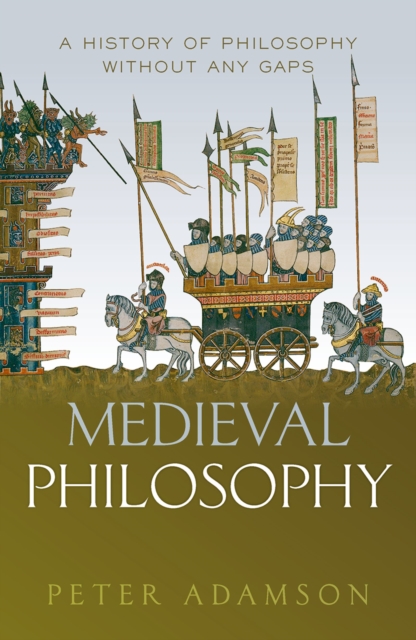
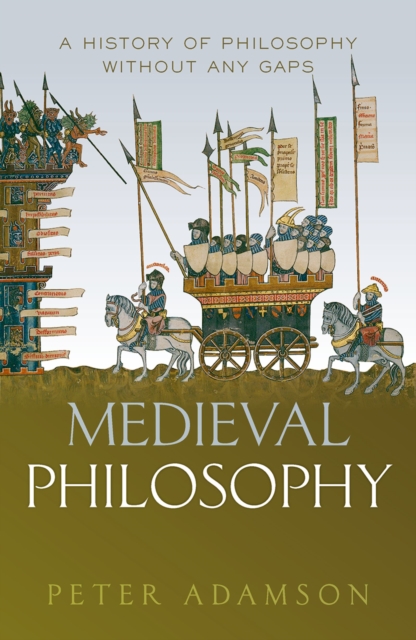
Peter Adamson presents a lively introduction to six hundred years of European philosophy, from the beginning of the ninth century to the end of the fourteenth century.
Peter Adamson presents a lively introduction to six hundred years of European philosophy, from the beginning of the ninth century to the end of the fourteenth century.