In this book, Peg Birmingham argues that privileging the event of natality and new beginnings in Hannah Arendt’s political thought overlooks her central problematic with the modern and contemporary production of economic and political superfluousness, treating all life and the earth itself as disposable.
The texts in this volume - summaries of the 216 seminars taught by Gilles Deleuze - provide unique insight into the latter half of Deleuze’s teaching career.
Described by Hilary Putnam as "e;both a fine introduction and a significant contribution"e; to epistemology, and by Anthony Quinton as "e;at once comprehensive .
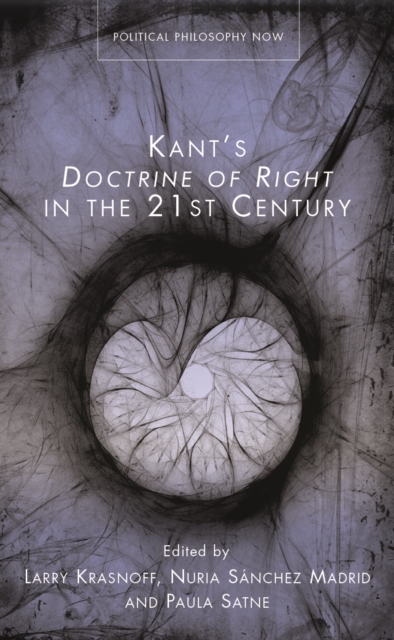
For a very long time, Kant's Doctrine of Right languished in relative neglect, even among those who wanted to defend a Kantian position in political philosophy.
Seminar paper from the year 1999 in the subject Philosophy - Philosophy of the 20th century, grade: Pass, University of Melbourne, course: Introduction to Critical Theory, language: English, abstract: While we live in a post-modern World - having the age of Enlightenment, the eighteenth century, far in our rear view mirror - the concept of Enlightenment is still a basic philosophical task.
Scientific Essay from the year 2008 in the subject Philosophy - Philosophy of the 19th Century, grade: keine, , language: English, abstract: When we question the reality of time we do so in favour of something richer, measuring morefully up to experience, not something poorer.
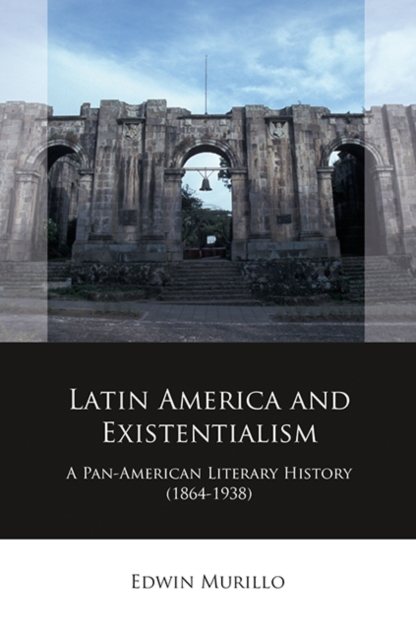
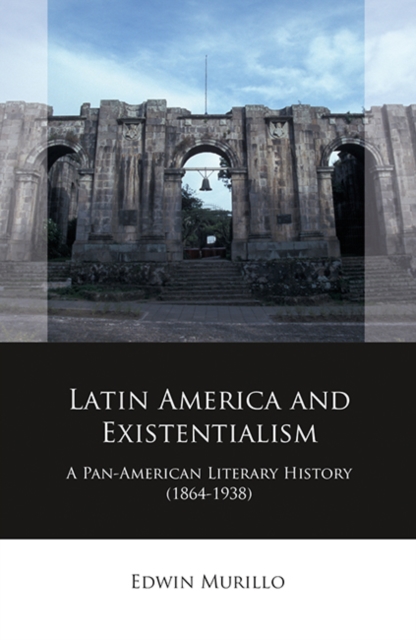
Latin America and Existentialism is a preliminary intellectual history, prioritising literature and contextualising Latin American philosophical contributions from the 1860s to the late 1930s, decades that coincide with the canon's foundational years.
Latin America and Existentialism is a preliminary intellectual history, prioritising literature and contextualising Latin American philosophical contributions from the 1860s to the late 1930s, decades that coincide with the canon's foundational years.
Argues that our experience of becoming engrossed in the fictional world of a novel is connected to the fundamental condition of human being: our capacity for language in all its broadest shapes.
For a very long time, Kant's Doctrine of Right languished in relative neglect, even among those who wanted to defend a Kantian position in political philosophy.
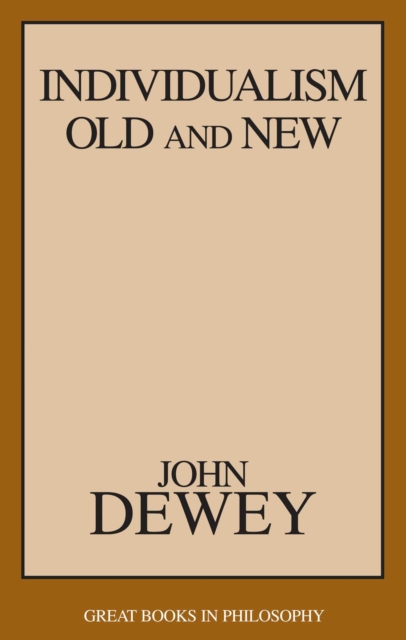
America's most renowned social philosopher John Dewey shines his powerful intellect on the serious public and cultural issues surrounding the place of the individual in a technologically advanced society.
The main objectives of this book are to critically evaluate the problem of scientificity in Edmund Husserl's phenomenology, to argue that his phenomenological reflection further awakens possibilities for the rational sciences and finally, to question the standard narratives of his theory of reason in order to revitalize his intuitions in light of the present day.
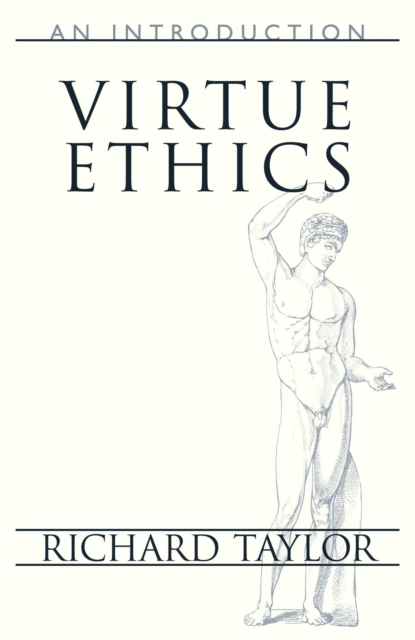
In this fresh evaluation of Western ethics, noted philosopher Richard Taylor argues that philosophy must return to the classical notion of virtue as the basis of ethics.
The main objectives of this book are to critically evaluate the problem of scientificity in Edmund Husserl's phenomenology, to argue that his phenomenological reflection further awakens possibilities for the rational sciences and finally, to question the standard narratives of his theory of reason in order to revitalize his intuitions in light of the present day.
This book explores Maurice Merleau-Ponty’s provocative claim that “the unconscious is feeling itself,” reframing the unconscious as a fundamentally relational phenomenon rather than a private repository of repressed content.
This book explores Maurice Merleau-Ponty’s provocative claim that “the unconscious is feeling itself,” reframing the unconscious as a fundamentally relational phenomenon rather than a private repository of repressed content.