Ignorance and Moral Obligation concerns whether and how our ignorance about ourselves and our circumstances affects what our moral obligations and moral rights are.
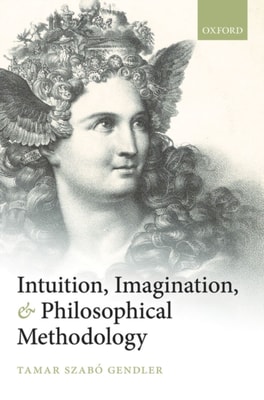
Tamar Gendler draws together in this book a series of essays in which she investigates philosophical methodology, which is now emerging as a central topic of philosophical discussions.
What bearing do our histories--our influences, what we have done and what has happened to us--have on our responsibility for the actions we take or consider in the present?
What bearing do our histories--our influences, what we have done and what has happened to us--have on our responsibility for the actions we take or consider in the present?
More than at any other time in human history, we live in an age defined by movement and mobility; and yet, we lack a unifying theory which takes this seriously as a starting point for philosophy.
More than at any other time in human history, we live in an age defined by movement and mobility; and yet, we lack a unifying theory which takes this seriously as a starting point for philosophy.
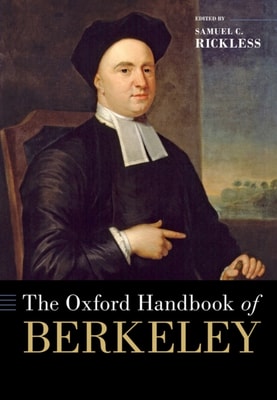
The Oxford Handbook of Berkeley is a compendious examination of a vast array of topics in the philosophy of George Berkeley (1685-1753), Anglican Bishop of Cloyne, the famous idealist and most illustrious Irish philosopher.
The Oxford Handbook of Berkeley is a compendious examination of a vast array of topics in the philosophy of George Berkeley (1685-1753), Anglican Bishop of Cloyne, the famous idealist and most illustrious Irish philosopher.
Since the heyday of ordinary language philosophy, Anglophone epistemologists have devoted a great deal of attention to the English word 'know' and to English sentences used to attribute knowledge.
Since the heyday of ordinary language philosophy, Anglophone epistemologists have devoted a great deal of attention to the English word 'know' and to English sentences used to attribute knowledge.