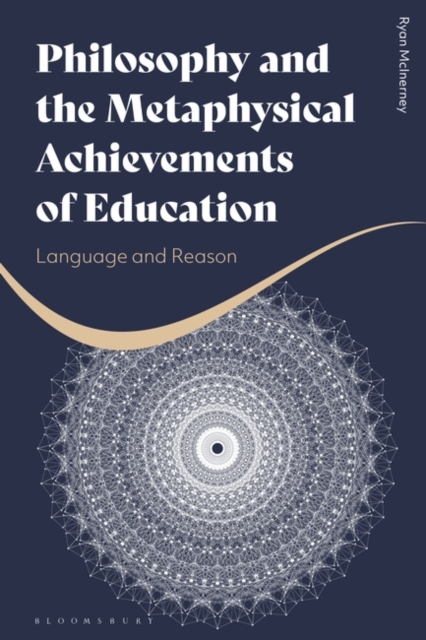
Tracing the deep connections between philosophy and education, Ryan McInerney argues that we must use philosophy to reflect on the significance of educational practice to all human endeavour.
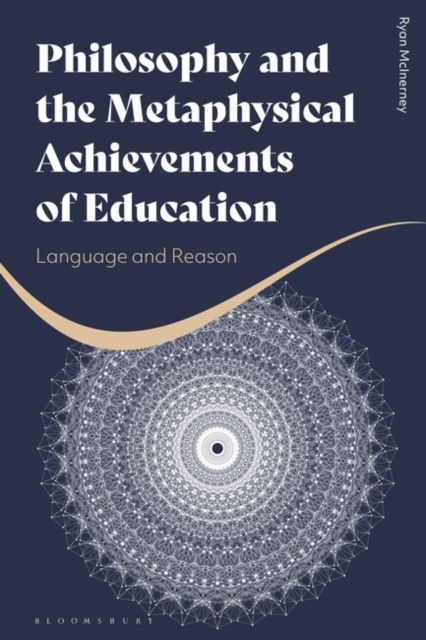
Tracing the deep connections between philosophy and education, Ryan McInerney argues that we must use philosophy to reflect on the significance of educational practice to all human endeavour.
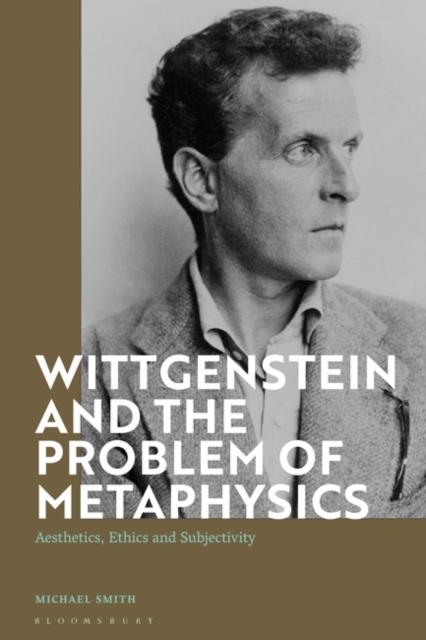
Exploring the rupture between Wittgenstein's early and late phases, Michael Smith provides an original re-assessment of the metaphysical consistencies that exist throughout his divergent texts.
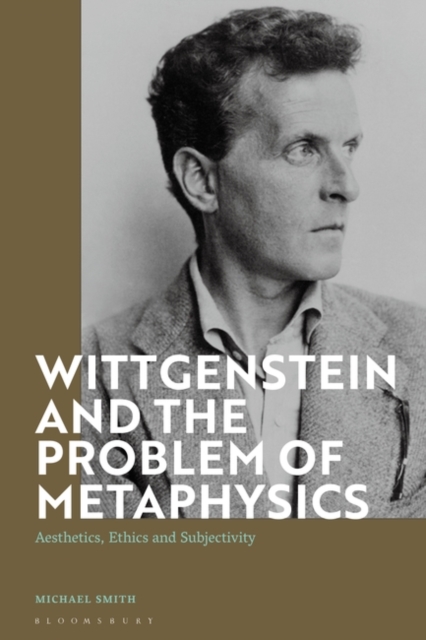
Exploring the rupture between Wittgenstein's early and late phases, Michael Smith provides an original re-assessment of the metaphysical consistencies that exist throughout his divergent texts.
Over the last twenty years, Jeff Malpas' research has involved his engagement with architects and other academics around the issues of place, architecture and landscape and particularly the way these practitioners have used the work of Martin Heidegger.
Parallax, or the change in the position of an object viewed along two different lines of sight and more precisely, the assumption that this adjustment is not only due to a change of focus, but a change in that object's ontological status has been a key philosophical concept throughout history.
Parallax, or the change in the position of an object viewed along two different lines of sight and more precisely, the assumption that this adjustment is not only due to a change of focus, but a change in that object's ontological status has been a key philosophical concept throughout history.
In a systematic treatment of Hegel's concept of philosophy and all of the different aspects related to it, this collection explores how Hegel and his understanding of his discipline can be put into dialogue with current metaphilosophical inquiries and shed light on the philosophical examination of the nature of philosophy itself.
In a systematic treatment of Hegel's concept of philosophy and all of the different aspects related to it, this collection explores how Hegel and his understanding of his discipline can be put into dialogue with current metaphilosophical inquiries and shed light on the philosophical examination of the nature of philosophy itself.
Over the last twenty years, Jeff Malpas' research has involved his engagement with architects and other academics around the issues of place, architecture and landscape and particularly the way these practitioners have used the work of Martin Heidegger.
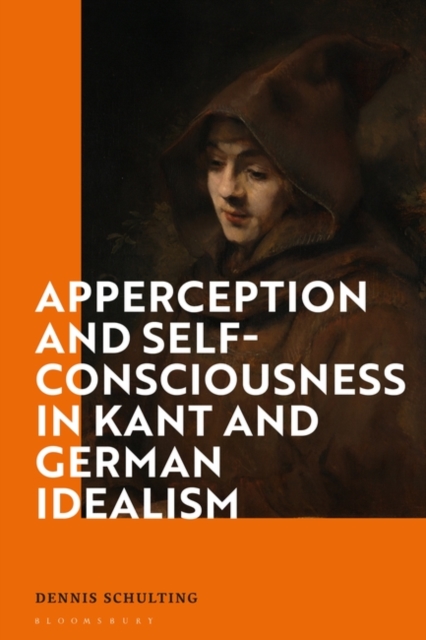
In Apperception and Self-Consciousness in Kant and German Idealism, Dennis Schulting examines the themes of reflexivity, self-consciousness, representation and apperception in the philosophy of Immanuel Kant and German Idealism more widely.
In Apperception and Self-Consciousness in Kant and German Idealism, Dennis Schulting examines the themes of reflexivity, self-consciousness, representation and apperception in the philosophy of Immanuel Kant and German Idealism more widely.
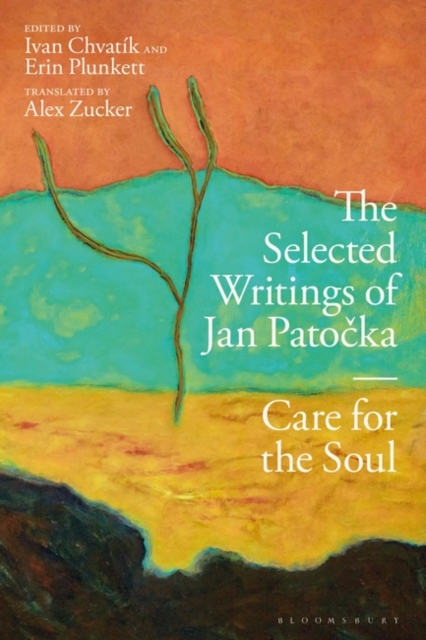
Jan Patocka'scontribution to phenomenology and the philosophy of history mean that he is considered one of the most important philosophers of the 20th century.
Jan Patocka'scontribution to phenomenology and the philosophy of history mean that he is considered one of the most important philosophers of the 20th century.
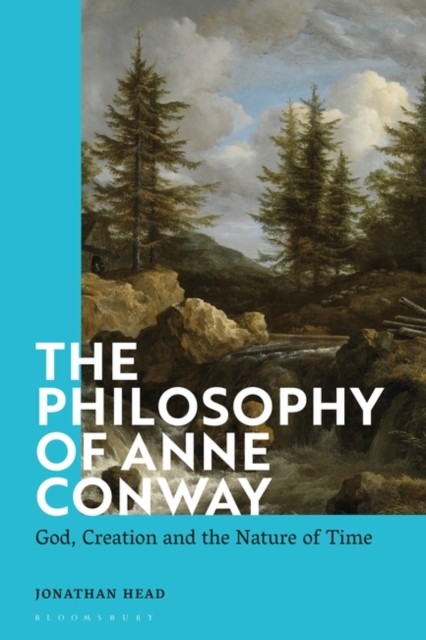
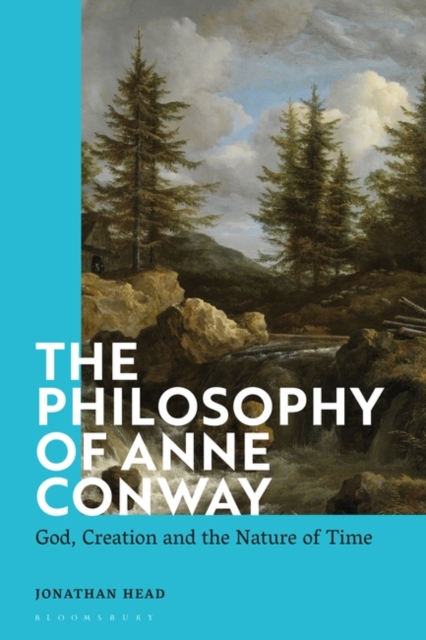
The early modern philosopher Anne Conway offers a remarkable synthesis of ideas from differing philosophical traditions that deserve our attention today.
The early modern philosopher Anne Conway offers a remarkable synthesis of ideas from differing philosophical traditions that deserve our attention today.
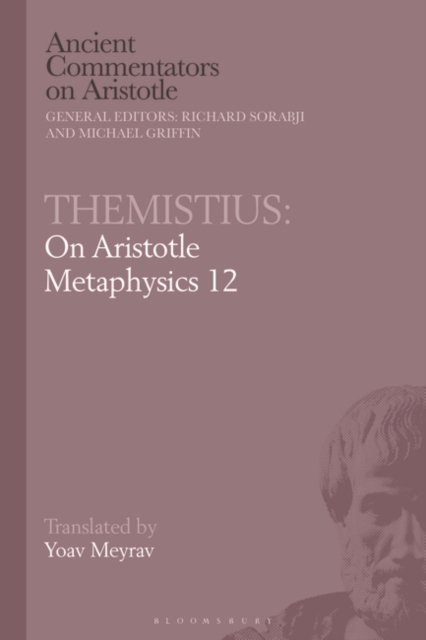
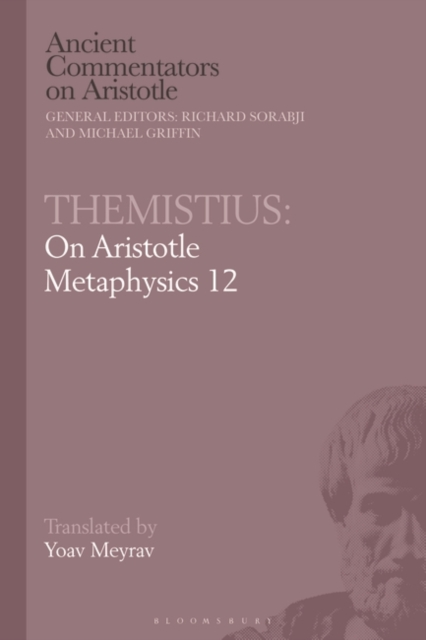
This is the only commentary on Aristotle's theological work, Metaphysics, Book 12, to survive from the first six centuries CE – the heyday of ancient Greek commentary on Aristotle.
This is the only commentary on Aristotle's theological work, Metaphysics, Book 12, to survive from the first six centuries CE – the heyday of ancient Greek commentary on Aristotle.
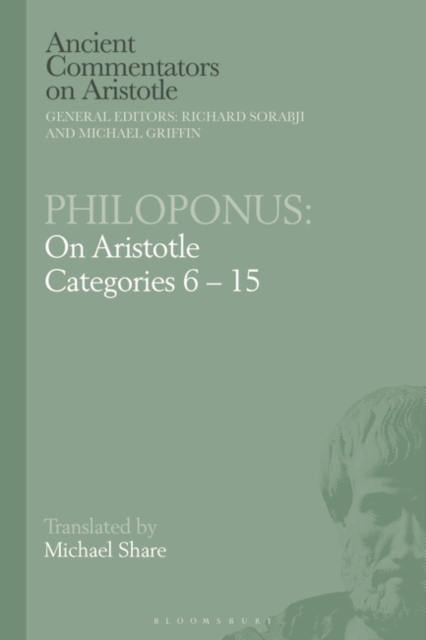
This volume completes, starting from chapter 6, the commentary by the young Philoponus on Aristotle's Categories, of which chapters 1–5 were previously published in this series (Philoponus: On Aristotle Categories 1–5 with Philoponus: A Treatise Concerning the Whole and the Parts).
This volume completes, starting from chapter 6, the commentary by the young Philoponus on Aristotle's Categories, of which chapters 1–5 were previously published in this series (Philoponus: On Aristotle Categories 1–5 with Philoponus: A Treatise Concerning the Whole and the Parts).
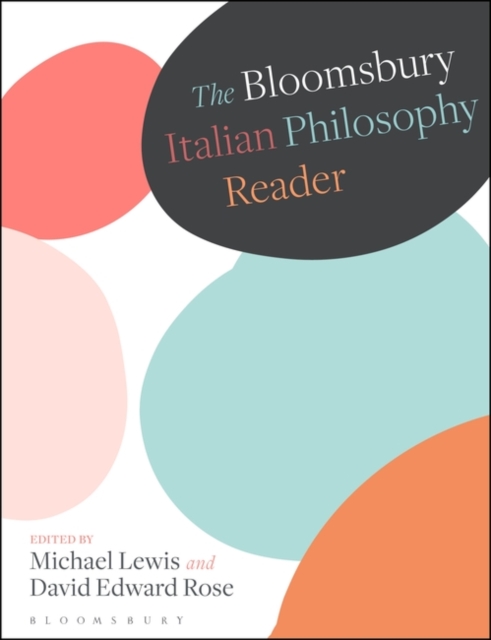
Italian philosophy constitutes one of the most vibrant and fruitful areas in contemporary thought, bringing extraordinary novelty to some of the oldest tropes, from human nature to the relation between political power and life, the thinking of actuality and potential, and the nature of work and labour.