This commentary records, through notes taken by Hermias, Syrianus' seminar on Plato's Phaedrus, one of the world's most influential celebrations of erotic beauty and love.
This commentary records, through notes taken by Hermias, Syrianus' seminar on Plato's Phaedrus, one of the world's most influential celebrations of erotic beauty and love.
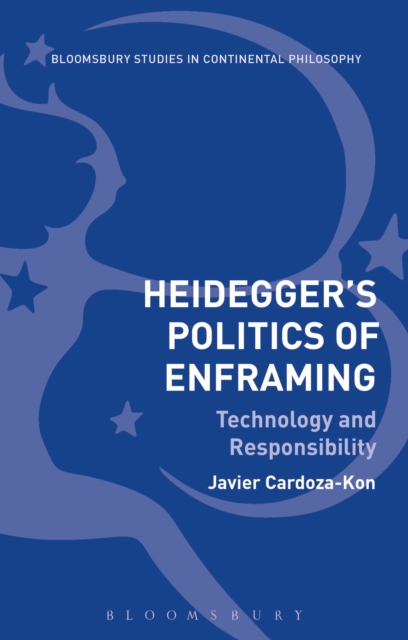
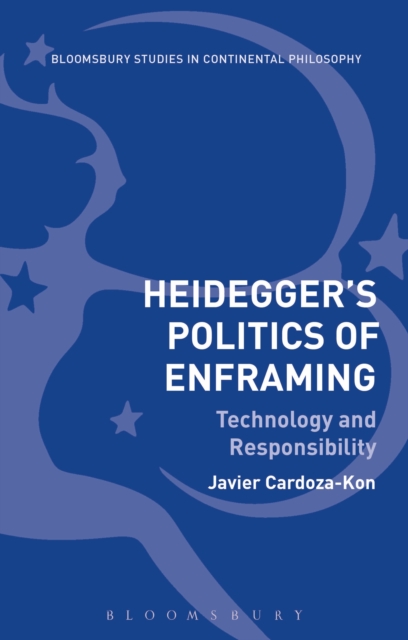
Heidegger's Politics of Enframing examines the controversial political choices made by Heidegger, the one-time Nazi party member, and articulates a direct connection between his troubling political decisions and his late thoughts on technology.
Heidegger's Politics of Enframing examines the controversial political choices made by Heidegger, the one-time Nazi party member, and articulates a direct connection between his troubling political decisions and his late thoughts on technology.
This commentary records, through notes taken by Hermias, Syrianus' seminar on Plato's Phaedrus, one of the world's most influential celebrations of erotic beauty and love.
This commentary records, through notes taken by Hermias, Syrianus' seminar on Plato's Phaedrus, one of the world's most influential celebrations of erotic beauty and love.
The three ancient philosophical introductions translated in this volume flesh out our picture of what it would have been like to sit in a first-year Philosophy course in ancient Alexandria.
The three ancient philosophical introductions translated in this volume flesh out our picture of what it would have been like to sit in a first-year Philosophy course in ancient Alexandria.
In Nietzsche and Friendship, Willow Verkerk provides a new and provocative account of Nietzsche's philosophy which identifies him as an agonistic thinker concerned with the topics of love and friendship.
In Nietzsche and Friendship, Willow Verkerk provides a new and provocative account of Nietzsche's philosophy which identifies him as an agonistic thinker concerned with the topics of love and friendship.
A 2018 Choice Outstanding Academic TitleA thought-provoking contribution to the renaissance of interest in Bergson, this study brings him to a new generation of readers.
A 2018 Choice Outstanding Academic TitleA thought-provoking contribution to the renaissance of interest in Bergson, this study brings him to a new generation of readers.
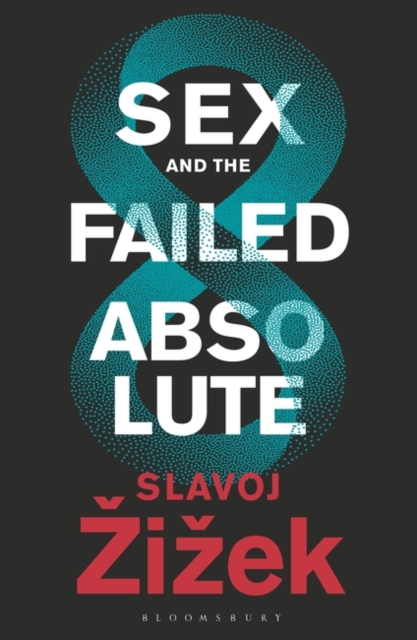
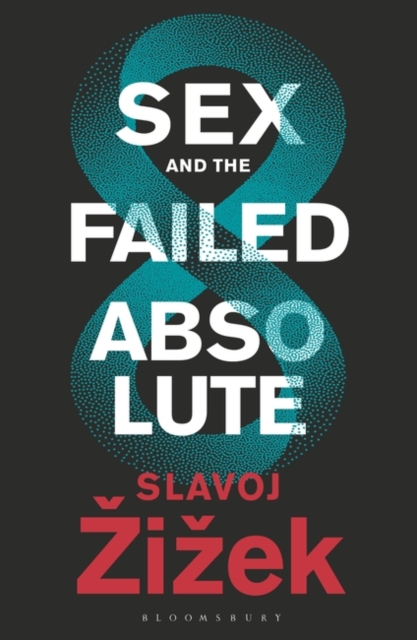
In the most rigorous articulation of his philosophical system to date, Slavoj i ek provides nothing short of a new definition of dialectical materialism.
In the most rigorous articulation of his philosophical system to date, Slavoj i ek provides nothing short of a new definition of dialectical materialism.
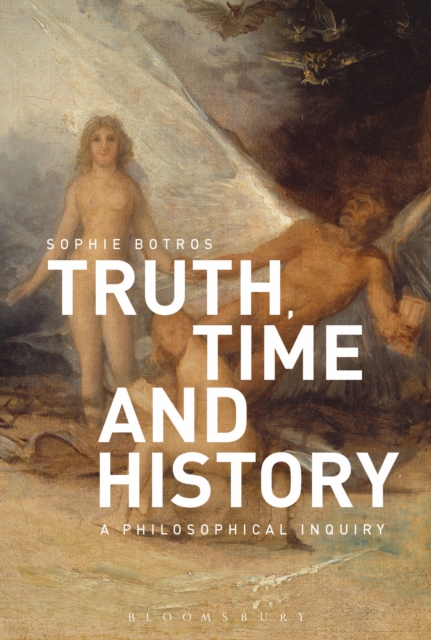
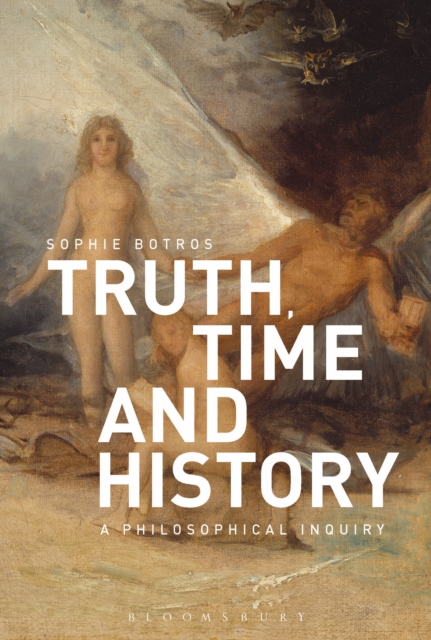
Truth, Time and History investigates the reality of the past by connecting arguments across areas which are conventionally discussed in isolation from each other.
Truth, Time and History investigates the reality of the past by connecting arguments across areas which are conventionally discussed in isolation from each other.
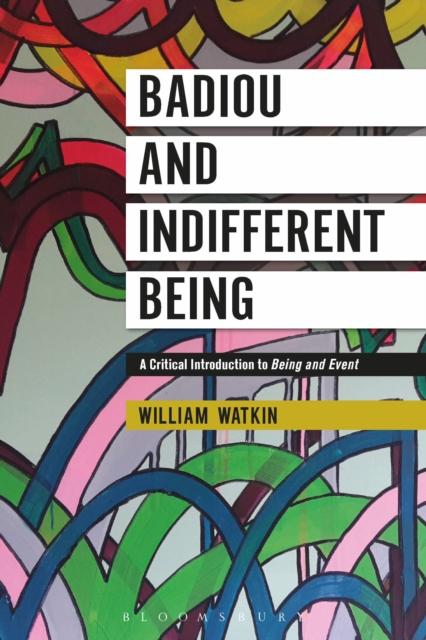
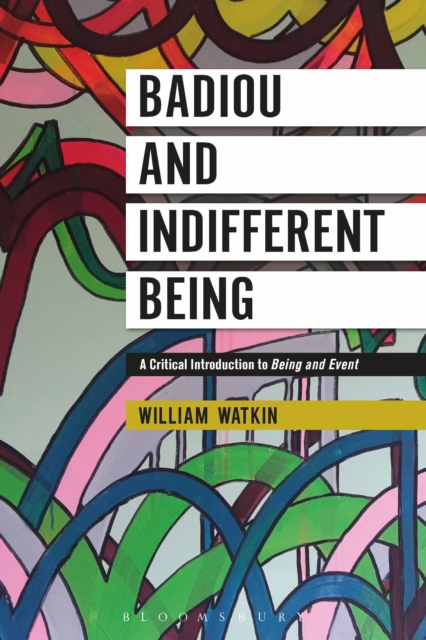
The first critical work to attempt the mammoth undertaking of reading Badiou's Being and Event as part of a sequence has often surprising, occasionally controversial results.
The first critical work to attempt the mammoth undertaking of reading Badiou's Being and Event as part of a sequence has often surprising, occasionally controversial results.
No object encapsulates the subtle, mysterious richness of cricket as much as its most famous character, the cricket ball: the swinging, bouncing, spinning heart of the glorious game.
No object encapsulates the subtle, mysterious richness of cricket as much as its most famous character, the cricket ball: the swinging, bouncing, spinning heart of the glorious game.
The relevance of painting has been questioned many times over the last century, by the arrival of photography, installation art and digital technologies.
The relevance of painting has been questioned many times over the last century, by the arrival of photography, installation art and digital technologies.
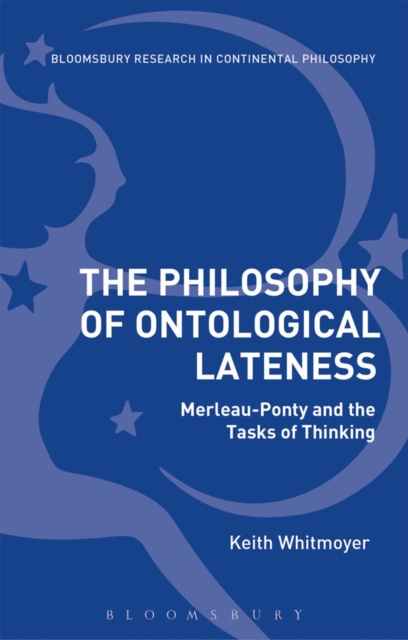
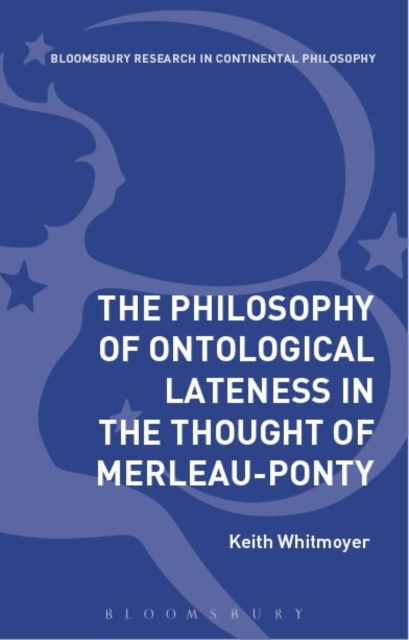
Addressing Merleau-Ponty's work Phenomenology of Perception, in dialogue with The Visible and the Invisible, his lectures at the Collège de France, and his reading of Proust, this book argues that at play in his thought is a philosophy of “ontological lateness”.
Addressing Merleau-Ponty's work Phenomenology of Perception, in dialogue with The Visible and the Invisible, his lectures at the Collège de France, and his reading of Proust, this book argues that at play in his thought is a philosophy of “ontological lateness”.