In a world drowning in comforting illusions, self-help optimism, and recycled spiritual promises, The Nihilist's Manifesto delivers a clear-eyed, unflinching assessment of reality: the universe has no purpose, no moral arc, and no interest in human concerns.
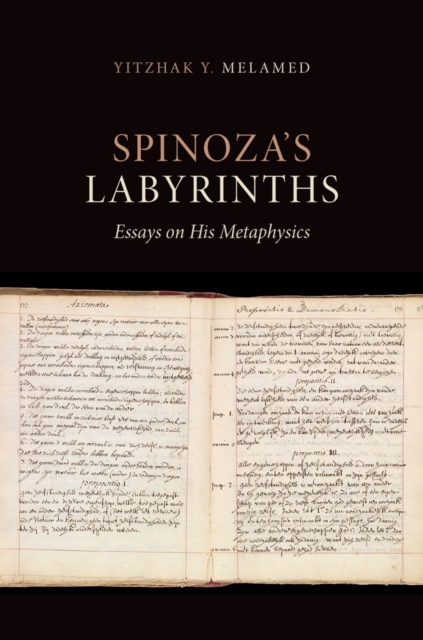
The papers in this volume address fundamental, and interrelated, philosophical issues concerning modality and identity, issues that have not only been pivotal to the development of analytic philosophy in the twentieth century, but remain a key focus of metaphysical debate in the twenty-first.
During a career spanning over thirty years Philip Pettit has made seminal contributions in moral philosophy, political philosophy, philosophy of the social sciences, philosophy of mind and action, and metaphysics.
Stephen Ingram defends a robustly realistic metaethical theory, based on the concept of normative arbitrariness, of which he provides the first in-depth analysis.
In this major new contribution to Heidegger studies, Christopher Fynsk provides an original account of Heidegger's reflections on art, and in particular the poetic work of art, to explore the central yet overlooked Heideggerian idea that all art has a rhythmic character.
Feasibilism urges manifesting the best feasible dispositions--ways of forming and retaining doxastic states, as well as choosing and acting--that are available to beings like us.
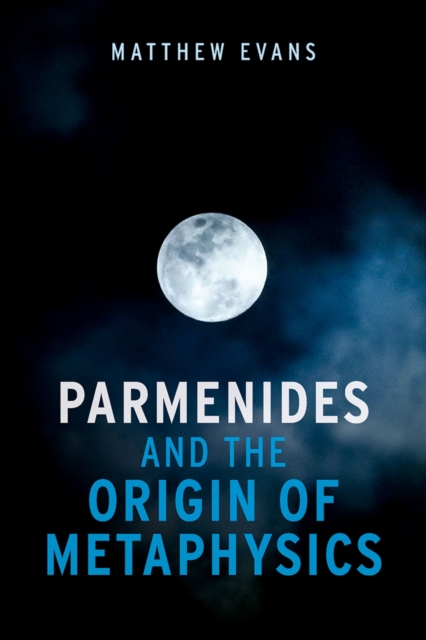
Parmenides and the Origin of Metaphysics offers a novel and comprehensive solution to one of the oldest interpretive puzzles in the history of ancient Greek philosophy: the so-called "e;problem of the Doxa.
Oxford Studies in Philosophy of Mind presents cutting-edge work in the philosophy of mind, combining invited articles and articles selected from submissions.
Parmenides and the Origin of Metaphysics offers a novel and comprehensive solution to one of the oldest interpretive puzzles in the history of ancient Greek philosophy: the so-called "e;problem of the Doxa.
Oxford Studies in Philosophy of Mind presents cutting-edge work in the philosophy of mind, combining invited articles and articles selected from submissions.
Schelling came of age during the pivotal and exciting years at the end of the eighteenth century, as Kant's philosophy was being incorporated into the German academic world.
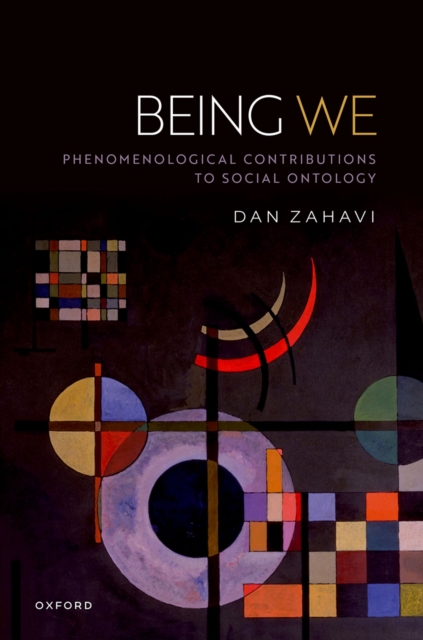
What does it take to constitute a we with others and how does feeling, thinking, and acting as part of a we, transform one's sense of self, one's relation to others, and the way one experiences the world?
What does it take to constitute a we with others and how does feeling, thinking, and acting as part of a we, transform one's sense of self, one's relation to others, and the way one experiences the world?