Two decades ago, Schelling first resurfaced in Zizek's Indivisible Remainder, and the same argumentative move of redeploying Schellingian themes for contemporary ends has continued to play a significant role in critical theory since (Markus Gabriel, Iain Hamilton Grant, Jean-Luc Nancy).
Two decades ago, Schelling first resurfaced in Zizek's Indivisible Remainder, and the same argumentative move of redeploying Schellingian themes for contemporary ends has continued to play a significant role in critical theory since (Markus Gabriel, Iain Hamilton Grant, Jean-Luc Nancy).
We are all captivated and puzzled by the infinite, in its many varied guises; by the endlessness of space and time; by the thought that between any two points in space, however close, there is always another; by the fact that numbers go on forever; and by the idea of an all-knowing, all-powerful God.
This book is written by a philosopher for other philosophers and for that section of the reading public who buy in large quantities and, no doubt, devour with great earnestness the popular books written by scientists for their enlightenment.
This book is written by a philosopher for other philosophers and for that section of the reading public who buy in large quantities and, no doubt, devour with great earnestness the popular books written by scientists for their enlightenment.
The stir caused in the civilised world by the writings of Bergson, particularly during the past decade, is evidenced by the volume of the stream of exposition and comment which has flowed and is still flowing.
The stir caused in the civilised world by the writings of Bergson, particularly during the past decade, is evidenced by the volume of the stream of exposition and comment which has flowed and is still flowing.
Thought experimentation has been a staple of philosophical methodology since classical antiquity, when Xenophanes of Colophon speculated that if horses had gods, they would be equine in form.
Thought experimentation has been a staple of philosophical methodology since classical antiquity, when Xenophanes of Colophon speculated that if horses had gods, they would be equine in form.
The games that human societies devised over the centuries can be considered one of the most comprehensive and fertile symbolic systems ever created by human ingenuity.
The games that human societies devised over the centuries can be considered one of the most comprehensive and fertile symbolic systems ever created by human ingenuity.
In his book, philosopher and law professor Ken Levy explains why he agrees with most people, but not with most other philosophers, about free will and responsibility.
In his book, philosopher and law professor Ken Levy explains why he agrees with most people, but not with most other philosophers, about free will and responsibility.
The central question of naturalism - the relation of philosophy to science - was one of the defining strands of twentieth-century thought and remains a major source of debate and controversy.
The central question of naturalism - the relation of philosophy to science - was one of the defining strands of twentieth-century thought and remains a major source of debate and controversy.
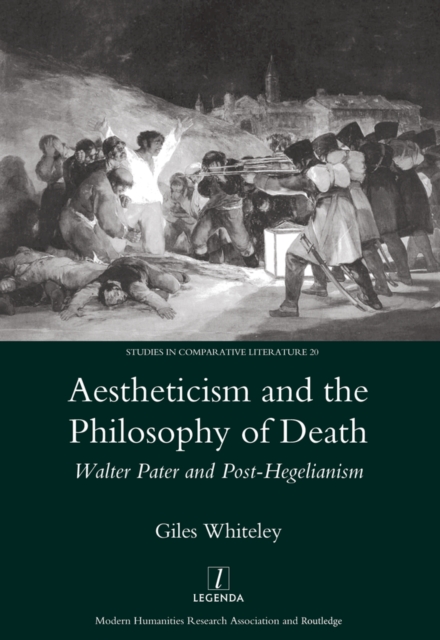
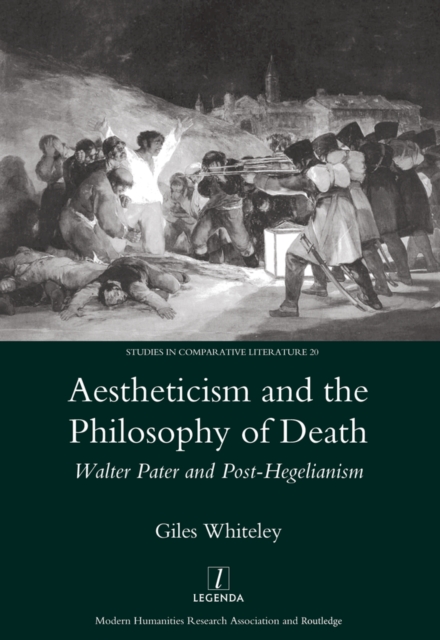
"e;Walter Pater, best known as the author of The Renaissance (1873) and as Oscar Wildes tutor and friend, was a leading figure in European aestheticism and British fin-de-siecle culture.
"e;Walter Pater, best known as the author of The Renaissance (1873) and as Oscar Wildes tutor and friend, was a leading figure in European aestheticism and British fin-de-siecle culture.
According to the received view, Kant's critical revolution put an end to the kind of metaphysics of which Leibniz's 'Monadology' is the example par excellence.
According to the received view, Kant's critical revolution put an end to the kind of metaphysics of which Leibniz's 'Monadology' is the example par excellence.
From David Hume's famous puzzle about "e;the missing shade of blue,"e; to current research into the science of colour, the topic of colour is an incredibly fertile region of study and debate, cutting across philosophy of mind, epistemology, metaphysics, and aesthetics, as well as psychology.