This collection of essays engages with several topics in Aristotle's philosophy of mind, some well-known and hotly debated, some new and yet to be explored.
This book offers new insights into the nature of human rational capacities by engaging inferentialism with empirical research in the cognitive sciences.
This book offers new insights into the nature of human rational capacities by engaging inferentialism with empirical research in the cognitive sciences.
This book explores how the human mind works through the lens of psychological disorders, challenging many existing theoretical constructs, especially in the fields of psychology, psychiatry and philosophy of mind.
This book explores how the human mind works through the lens of psychological disorders, challenging many existing theoretical constructs, especially in the fields of psychology, psychiatry and philosophy of mind.
Originally published in 1982, the aim of this book is a controversial one - to refute, by the most rigorous philosophical methods, physical realism and to develop and defend in its place a version of phenomenalism.
Originally published in 1982, the aim of this book is a controversial one - to refute, by the most rigorous philosophical methods, physical realism and to develop and defend in its place a version of phenomenalism.
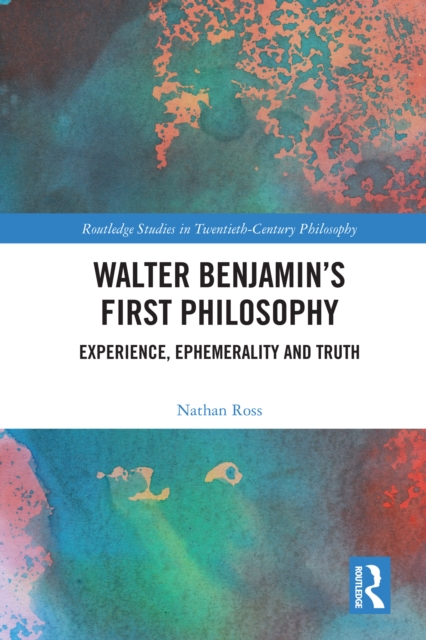
This book provides a study of Walter Benjamin's first philosophy in two senses: it focuses on his early philosophy as a source of insight into his later works, and it explores his thinking about the nature of truth, method, experience, the relation of body and mind, and the limits of human knowledge.
This book provides a study of Walter Benjamin's first philosophy in two senses: it focuses on his early philosophy as a source of insight into his later works, and it explores his thinking about the nature of truth, method, experience, the relation of body and mind, and the limits of human knowledge.
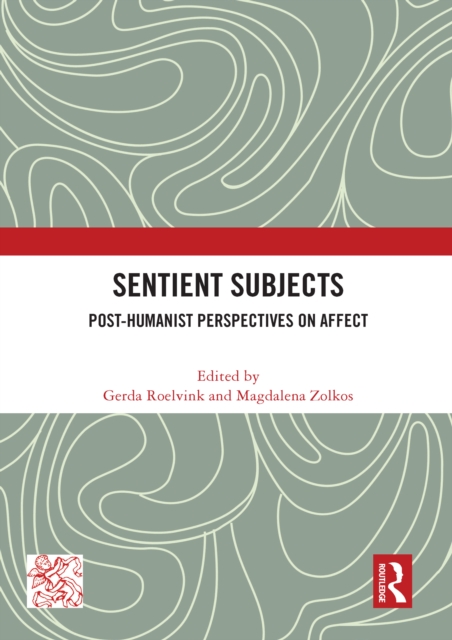
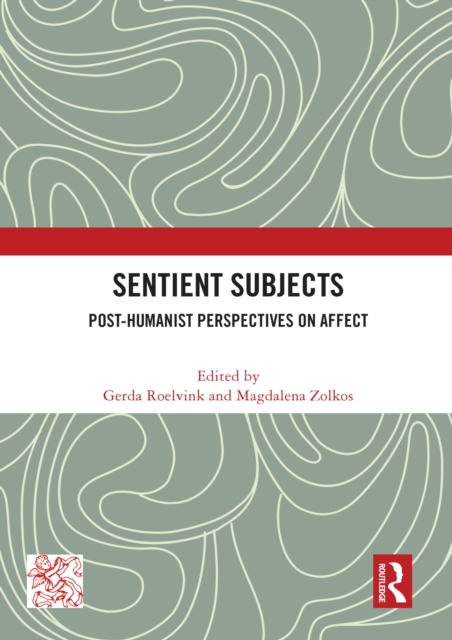
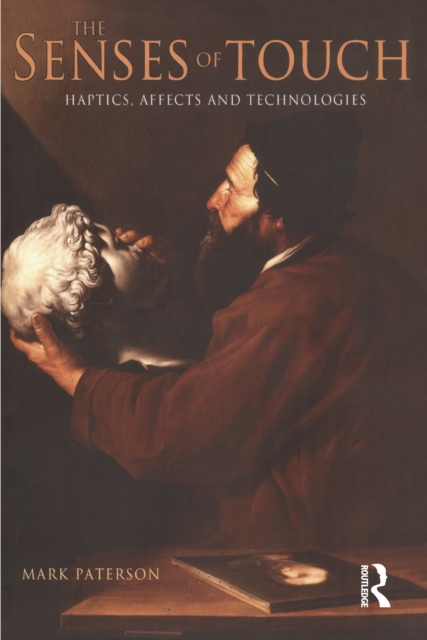
Non-cognitive expressions of the life of the subject - feeling, motion, tactility, instinct, automatism, and sentience - have transformed how scholars understand subjectivity, agency and identity.
Non-cognitive expressions of the life of the subject - feeling, motion, tactility, instinct, automatism, and sentience - have transformed how scholars understand subjectivity, agency and identity.
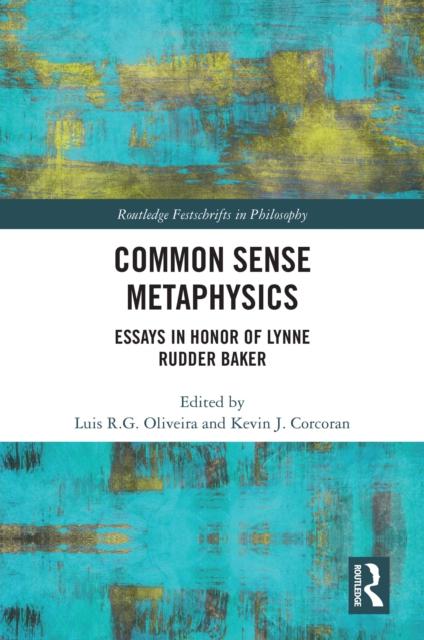
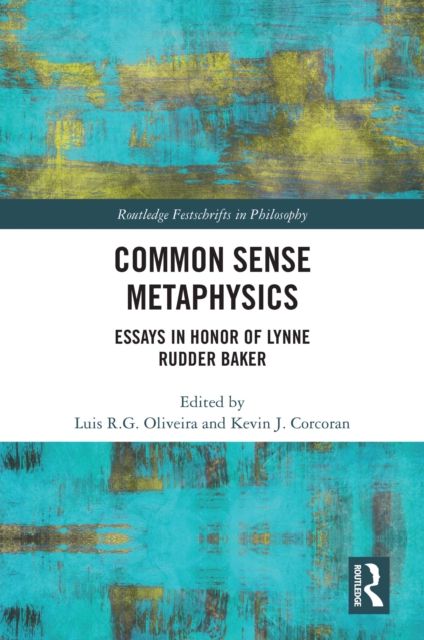
This book celebrates the research career of Lynne Rudder Baker by presenting sixteen new and critical essays from admiring students, colleagues, interlocutors, and friends.
This book celebrates the research career of Lynne Rudder Baker by presenting sixteen new and critical essays from admiring students, colleagues, interlocutors, and friends.
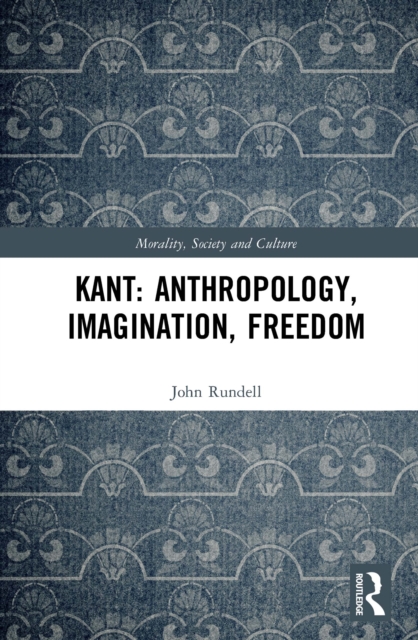
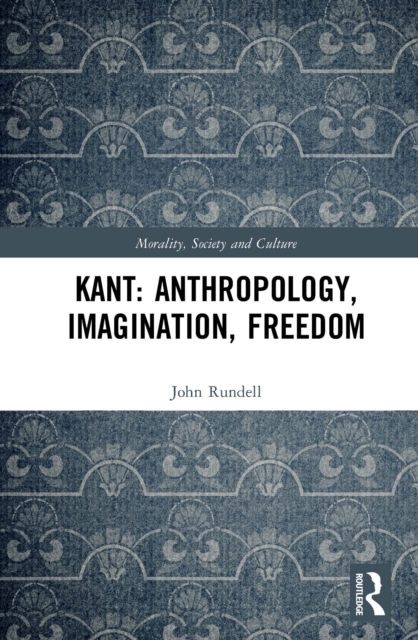
In a new reading of Immanuel Kant's work, this book interrogates his notions of the imagination and anthropology, identifying these - rather than the problem of reason - as the two central pivoting orientations of his work.
In a new reading of Immanuel Kant's work, this book interrogates his notions of the imagination and anthropology, identifying these - rather than the problem of reason - as the two central pivoting orientations of his work.
Contemporary philosophy has seen a proliferation of complex theories and intricate arguments brought to bear on the mind-body problem, perhaps the most intractable of perennial philosophical problems.
The contributors set out to demonstrate the influence of the computer - not just in the philosophy of mind, where the influence has been enormous, but also in epistemology, metaphysics, logic and the philosophy of mathematics.
Through the examination of anti-psychiatric theory and literary texts, this timely and thought-provoking volume explores the possibilities of liberating our habitual patterns of perception and consciousness beyond the confines of a capitalist era.
Through the examination of anti-psychiatric theory and literary texts, this timely and thought-provoking volume explores the possibilities of liberating our habitual patterns of perception and consciousness beyond the confines of a capitalist era.
Contemporary philosophy has seen a proliferation of complex theories and intricate arguments brought to bear on the mind-body problem, perhaps the most intractable of perennial philosophical problems.
The contributors set out to demonstrate the influence of the computer - not just in the philosophy of mind, where the influence has been enormous, but also in epistemology, metaphysics, logic and the philosophy of mathematics.
Virtue, Narrative, and Self connects two philosophical areas of study that have long been treated as distinct: virtue theory and narrative accounts of personal identity.
Virtue, Narrative, and Self connects two philosophical areas of study that have long been treated as distinct: virtue theory and narrative accounts of personal identity.
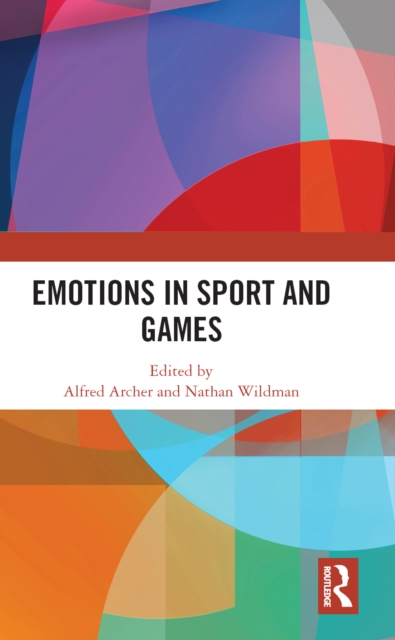
Emotions play an important role in both sport and games, from the pride and joy of victory, the misery and shame of defeat, and the anger and anxiety felt along the way.
Emotions play an important role in both sport and games, from the pride and joy of victory, the misery and shame of defeat, and the anger and anxiety felt along the way.
This important book offers a model to analyze the configurations of reality as manifested in everyday practices of eating and drinking in relation to the development of human subjectivity.
This important book offers a model to analyze the configurations of reality as manifested in everyday practices of eating and drinking in relation to the development of human subjectivity.
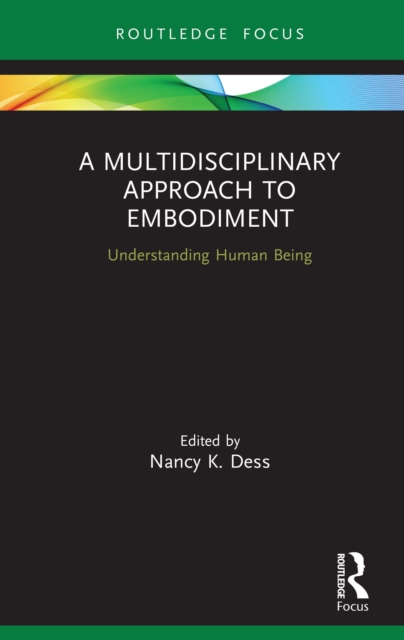
This is a collection of pithy and accessible essays on the nature and implications of human embodiment which explore the concept of 'human being' in the most unprecedented manner through seemingly disparate academic disciplines.
This is a collection of pithy and accessible essays on the nature and implications of human embodiment which explore the concept of 'human being' in the most unprecedented manner through seemingly disparate academic disciplines.