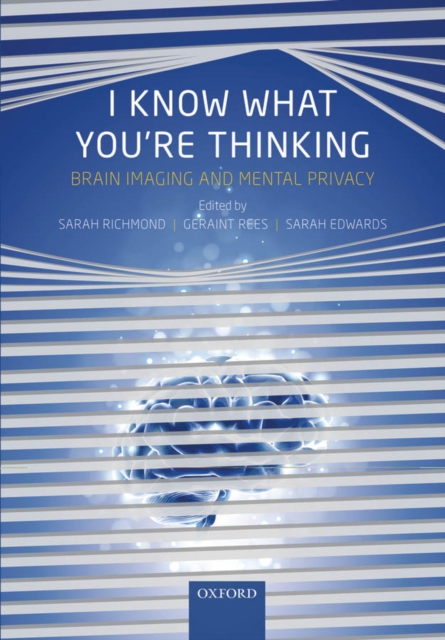
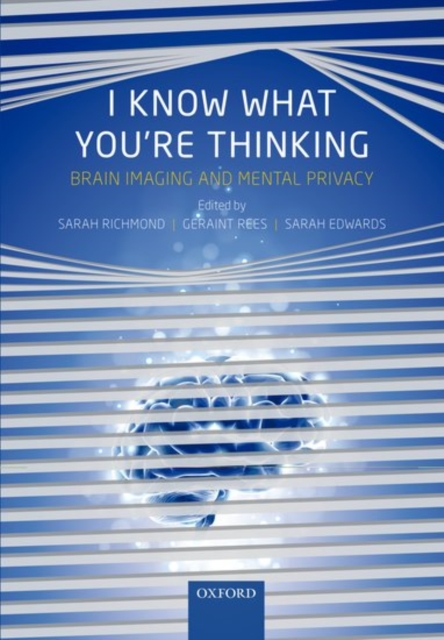
Since the 1980s, MRI scanners have told us much about brain function and played an important role in the clinical diagnosis of a number of conditions - both in the brain and the rest of the body.
Many different features of the world figure consciously in our perceptual experiences, in the sense that they make a subjective difference to those experiences.
This handbook provides a critical guide to the most central proposition in modern linguistics: the notion, generally known as Universal Grammar, that a universal set of structural principles underlies the grammatical diversity of the world's languages.
This handbook provides a critical guide to the most central proposition in modern linguistics: the notion, generally known as Universal Grammar, that a universal set of structural principles underlies the grammatical diversity of the world's languages.
Mind, Brain, and Free Will presents a powerful new case for substance dualism (the theory that humans consist of two parts body and soul) and for libertarian free will (that humans have some freedom to choose between alternatives, independently of the causes which influence them).
Since the 1980s, MRI scanners have told us much about brain function and played an important role in the clinical diagnosis of a number of conditions - both in the brain and the rest of the body.
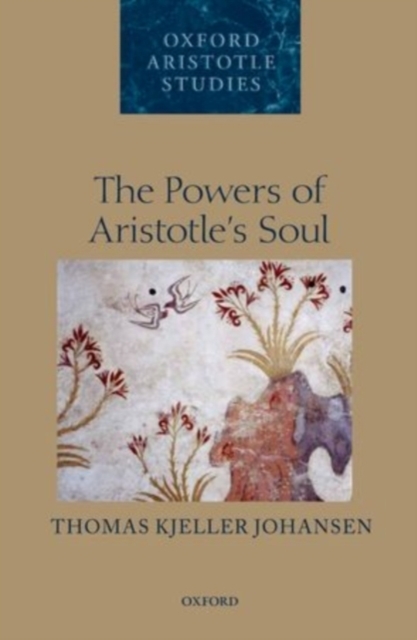
Aristotle is considered by many to be the founder of 'faculty psychology'--the attempt to explain a variety of psychological phenomena by reference to a few inborn capacities.
Paul Horwich develops an interpretation of Ludwig Wittgenstein's later writings that differs in substantial respects from what can already be found in the literature.
The claim that contemporary analytic philosophers rely extensively on intuitions as evidence is almost universally accepted in current meta-philosophical debates and it figures prominently in our self-understanding as analytic philosophers.
Emma Borg examines the relation between semantics (roughly, features of the literal meaning of linguistic items) and pragmatics (features emerging from the context within which such items are being used), and assesses recent answers to the fundamental questions of how and where to draw the divide between the two.
Hardly any attempt to come to grips with the classical problem of free will and determinism directly addresses the metaphysical vision driving the concerns of those who believe that a significant sort of free will cannot exist in a deterministic world.