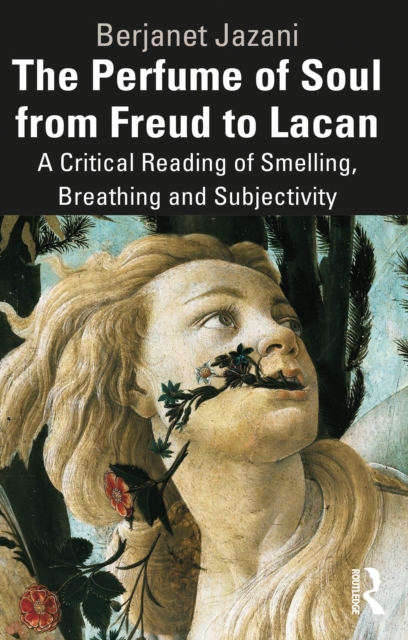
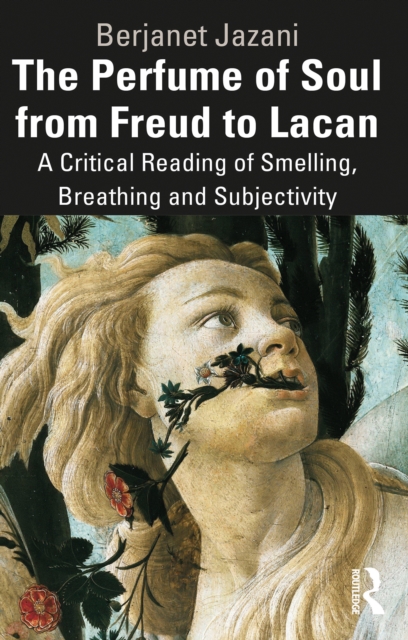
The Perfume of Soul from Freud to Lacan seeks to understand the human sense of smell and its marks on our subjectivity from a psychoanalytic perspective.
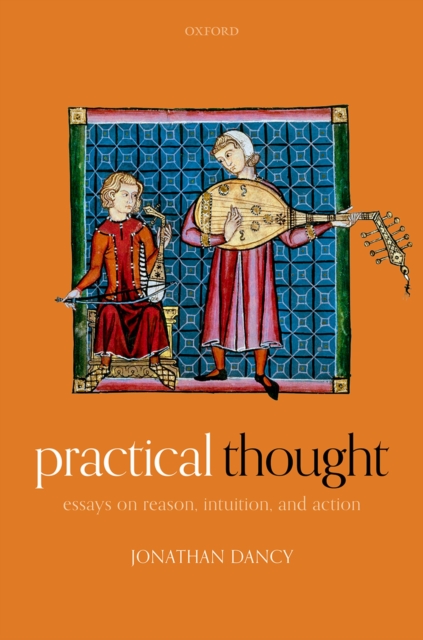
Practical Thought: Essays on Reasons, Intuition, and Action presents a selection of Jonathan Dancy's most important philosophical essays since the late 1970s, focusing on the central themes of his work: metaethics, moral metaphysics, the theory of motivation, and the British Intuitionists.
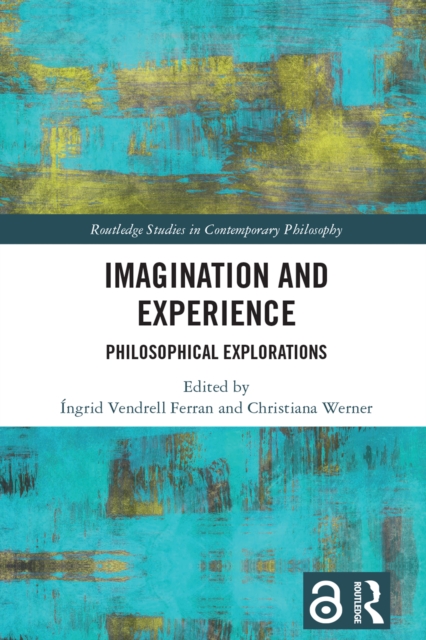
This volume brings together two philosophical research areas that have been subject to increased attention: work regarding the unique character of having an experience and studies on the nature and powers of imagination.
First Published in 1969, System, Structure and Experience offers a basic information-flow design capable of accounting for the complex operations of a culturally cognizant and purposive mind consistently with the general relationship of the human organism and its environment.
Dieses eBook: "Philosophie des Unbewußten" ist mit einem detaillierten und dynamischen Inhaltsverzeichnis versehen und wurde sorgfältig korrekturgelesen.
This volume brings together two philosophical research areas that have been subject to increased attention: work regarding the unique character of having an experience and studies on the nature and powers of imagination.
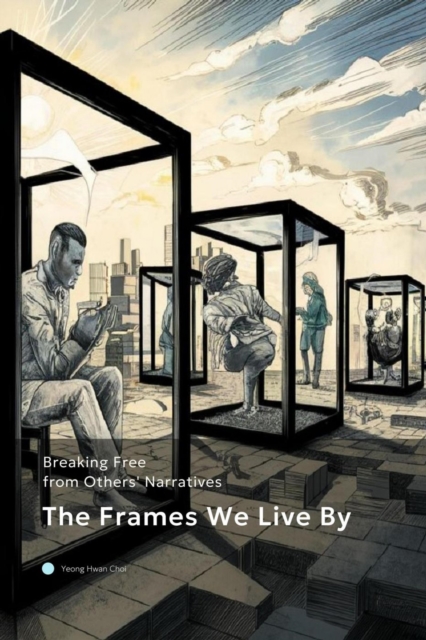
The Frames We Live By: Breaking Free from Others' Narratives"e;The World s Frames: Crafting Your Own Philosophy We live in a world governed by countless frameworks.
The Perfume of Soul from Freud to Lacan seeks to understand the human sense of smell and its marks on our subjectivity from a psychoanalytic perspective.
The volume focusses on the ethical dimensions of the technological scaffold embedding human thought and action, which has been brought to attention of the cognitive sciences by situated cognition theories.
The volume focusses on the ethical dimensions of the technological scaffold embedding human thought and action, which has been brought to attention of the cognitive sciences by situated cognition theories.
Memories, sensory experiences, expectations, and intentions, as well as thoughts, fears, and hopes: all share a fundamental trait, the fact that our conscious psychological states take place in time, and often are about time in some way or other.
This book draws on transpersonal anthropology and psychology in order to explore mild altered states of consciousness (ASCs) experienced in everyday life.
Das Paradigma der mentalen Repräsentation bestimmt maßgeblich das Verständnis des Geistes in Philosophie, Kognitionswissenschaften und Künstlicher Intelligenz.
This book presents a novel pluralist strategy for answering Molyneux's 300+-year-old conundrum: Would a person, born blind but given sight, identify a shape previously known only by their touch?
Explorations Between Psychoanalysis and Neuroscience brings together the life's work of David Olds, pioneering psychoanalyst, psychiatrist, philosopher, and key figure in neuropsychoanalysis.
Explorations Between Psychoanalysis and Neuroscience brings together the life's work of David Olds, pioneering psychoanalyst, psychiatrist, philosopher, and key figure in neuropsychoanalysis.
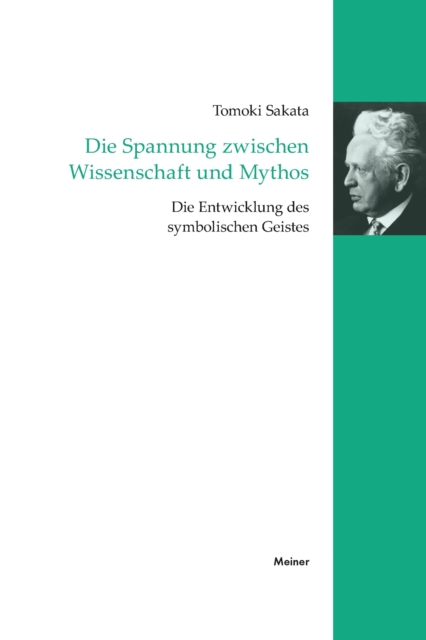
Im Gegensatz zur Tierwelt, in der der gesamte Handlungszusammenhang durch den Instinkt präformiert und auf das Reich der Natur beschränkt ist, entwirft Cassirer für den Menschen das symbolische Universum, in dem der Geist seine Organe wie Mythos, Kunst, Sprache, Wissenschaft usw.
This thought-provoking study explores the philosophical resources provided by Hegel and Heidegger to grasp the nature of the "e;I"e; and combines those resources in a theoretical analysis of "e;I-hood"e; in its connection with nature and history, experience and myth.
This book aims to revolutionize information research by introducing a receptive relation understanding of information, which systematically unveils its fundamental characteristics: created ex nihilo, emergence, reciprocity and shareability.
This book aims to revolutionize information research by introducing a receptive relation understanding of information, which systematically unveils its fundamental characteristics: created ex nihilo, emergence, reciprocity and shareability.
This thought-provoking study explores the philosophical resources provided by Hegel and Heidegger to grasp the nature of the "e;I"e; and combines those resources in a theoretical analysis of "e;I-hood"e; in its connection with nature and history, experience and myth.