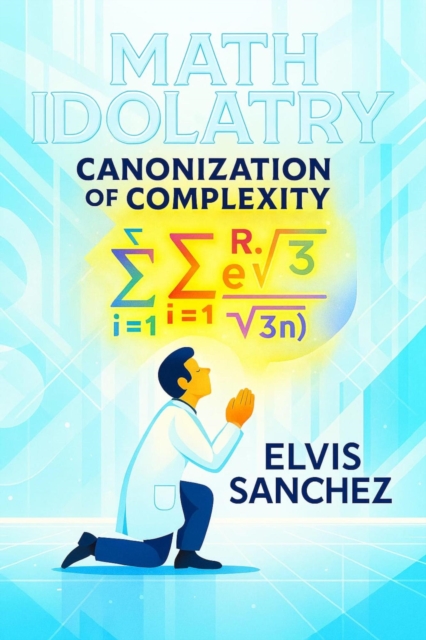
Math Idolatry: Canonization of ComplexityDismantle the Fraud of Consensus ScienceThe intuitively bothered reader has already traversed the DPE framework to its structural conclusion:Book 1-3: The establishment of the DPE axiom proved that eternity stands as the default state and time stands as the rupture.
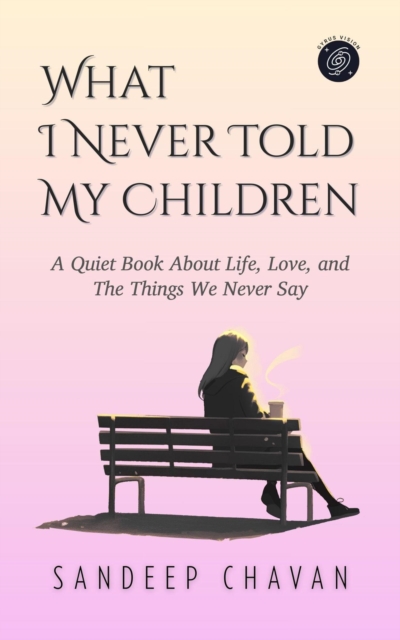
What I Never Told My Children is a quiet, reflective exploration of life as it is lived—without performance, without instruction, and without the need for answers.
'Singh is a brilliant young scholar and a gifted writer, and this remarkable book will change how you think about religion, spirituality, consciousness, and human nature' Paul BloomWhat are the origins of shamanism and what is its future?
This book is a comprehensive study of more than 200 years of the shared and interconnected histories of Greek-Albanian relations, a field of inquiry that has not attracted the international scholarly attention it deserves.
Freud, the Contemporary Super-ego, and Western Morality traces the origins of the relationship between the morality of the super-ego and the destructive impulse of the death drive in the liberal democracies of the 21st century.
One of our most brilliant minds offers a sweeping intellectual history that argues for the reclamation of culture’s value Culture is a defining aspect of what it means to be human.
This book will benefit readers by revealing how urban existence is a multifaceted affair that, once examined, will forever change the way they think about their place in the city and what it means to live in one.
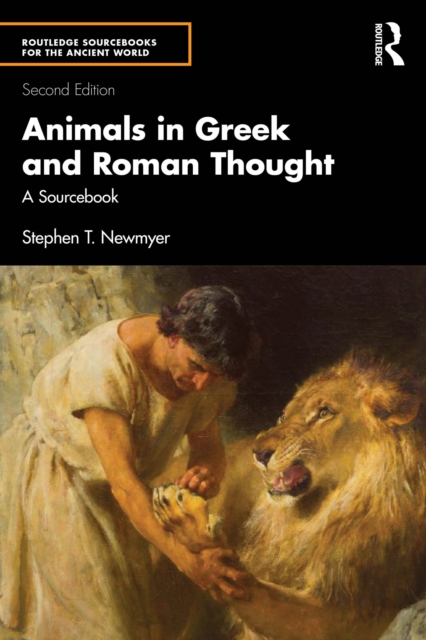
The second edition of Animals in Greek and Roman Thought: A Sourcebook offers a detailed introduction to Greco-Roman thought on the intellectual and emotional capacities of non-human animals and on the ethical dimensions of human-non-human animal interactions.
This seminal volume provides an accessible overview of key ethical and philosophical debates surrounding contemporary education policy, advocating for a future in education that is primarily driven by prioritising social values.
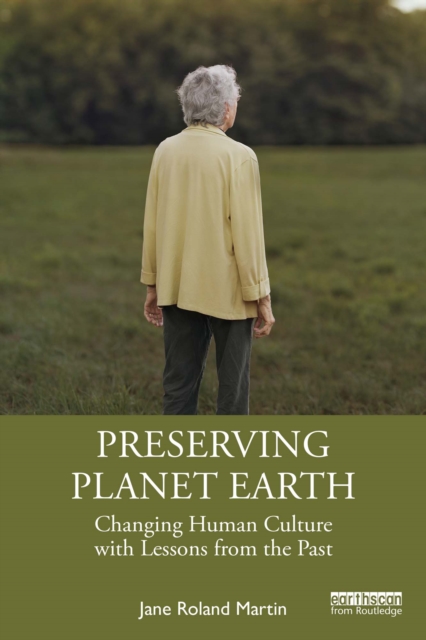
This book encourages readers to acknowledge humanitys contribution to the environmental crisis, proposing a way forward by exploring the power of ordinary people to bring about large-scale cultural change.
This edited volume presents a post-humanist reflection on education, mapping the complex transdisciplinary pedagogy and theoretical research while also addressing questions related to marginalised voices, colonial discourses, and the relationship between theory and practice.
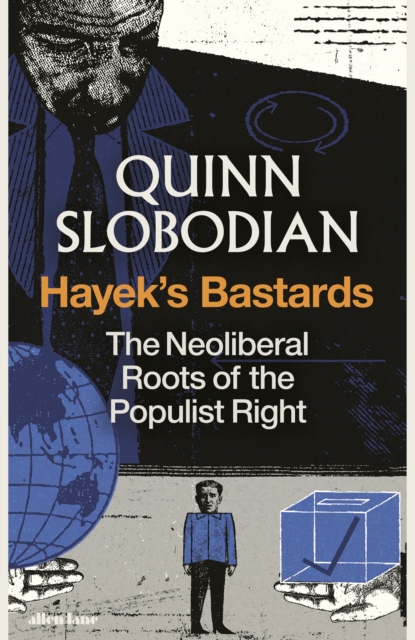
A revelatory exploration of how today s right-wing authoritarianism emerged not in opposition to neoliberalism, but from within it FINALIST FOR THE 2025 NATIONAL BOOK CRITICS CIRCLE AWARDS 'Bracingly original.
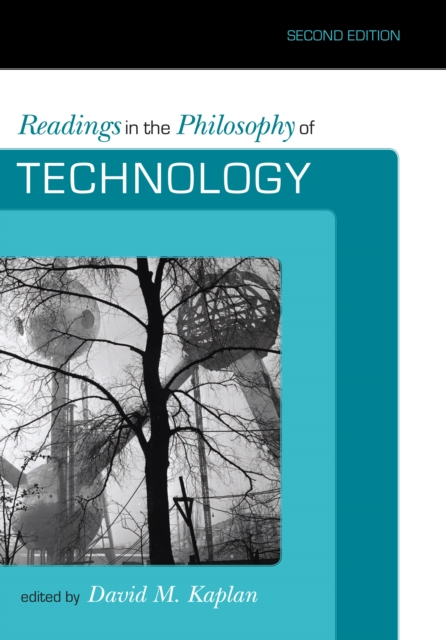
Ideal for professors who want to provide a comprehensive set of the most important readings in the philosophy of technology, from foundational to the cutting edge, this book introduces students to the various ways in which societies, technologies, and environments shape one another.
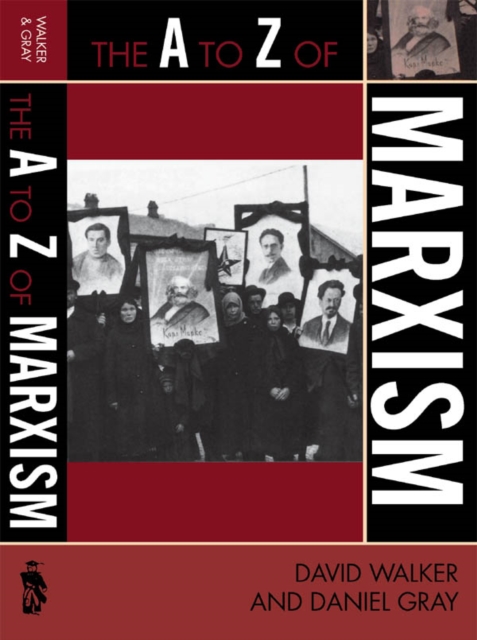
Marxism, one of the few philosophies that turned into an effective movement, not so long ago was the official ideology in one form or another of much of humanity.
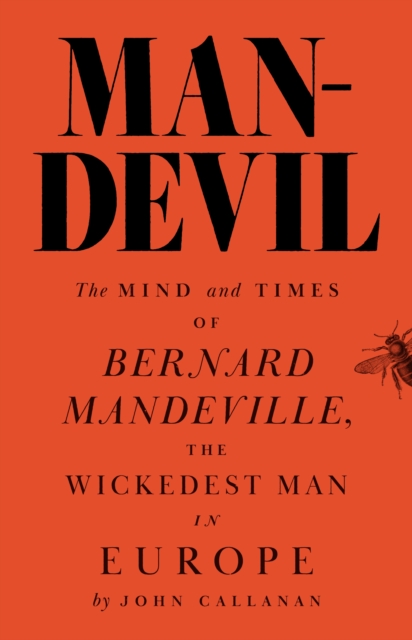
A lively and provocative account of Bernard Mandeville and the work that scandalized and appalled his contemporariesand made him one of the most influential thinkers of the eighteenth centuryIn 1714, doctor, philosopher and writer Bernard Mandeville published The Fable of the Bees, a humorous tale in which a prosperous hive full of greedy and licentious bees trade their vices for virtues and immediately fall into economic and societal collapse.
A lively and provocative account of Bernard Mandeville and the work that scandalized and appalled his contemporariesand made him one of the most influential thinkers of the eighteenth centuryIn 1714, doctor, philosopher and writer Bernard Mandeville published The Fable of the Bees, a humorous tale in which a prosperous hive full of greedy and licentious bees trade their vices for virtues and immediately fall into economic and societal collapse.
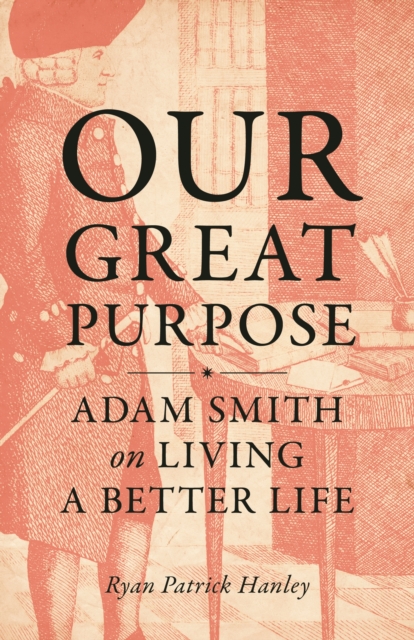
Invaluable wisdom on living a good life from the founder of modern economicsAdam Smith is best known today as the founder of modern economics, but he was also an uncommonly brilliant philosopher who was especially interested in the perennial question of how to live a good life.
Invaluable wisdom on living a good life from the founder of modern economicsAdam Smith is best known today as the founder of modern economics, but he was also an uncommonly brilliant philosopher who was especially interested in the perennial question of how to live a good life.
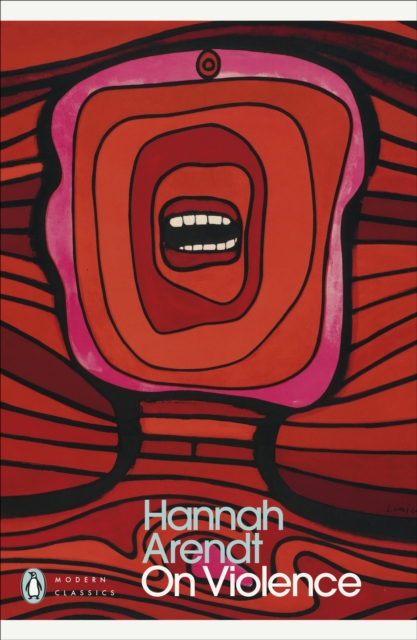
From Hannah Arendt, the author of The Origins of Totalitarianism, her influential essay examining the relationship between violence, power, war and politics'Violence can destroy power; it is utterly incapable of creating it'Why has violence played such a significant role in human history?
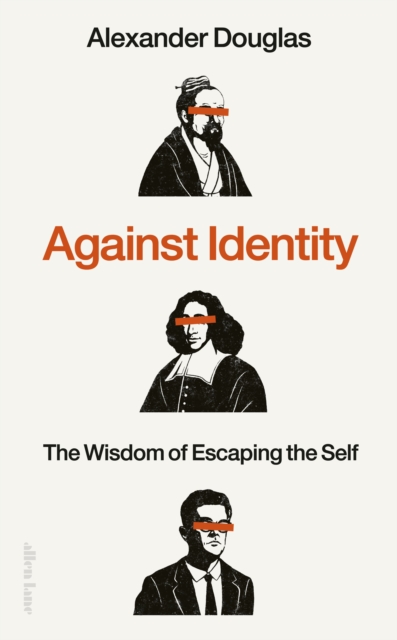
Deeply interesting a superb critique of contemporary self-obsession Steven Poole, Guardian'Engrossing bracing incendiary and timely Stuart Jeffries, Daily TelegraphA philosopher explains why the search for identity is meaningless, and how we should escape the self Modern life encourages us to pursue the perfect identity.
'Glorious' Guardian'Vigorous, rigorous and eminently readable' SPECTATORIn his soaring new book, Niall Kishtainy draws us into the imaginative worlds of Thomas More, the Diggers, William Morris and Extinction Rebellion protestors.