Wirtschaft und Ethik haben auf den ersten Blick nichts miteinander zu tun: Das wirtschaftliche Handeln zielt auf Rendite ab, das ethische Handeln hingegen auf die moralische Pflicht oder die Vorstellung eines guten Lebens.
Der Sammelbegriff Sozialwissenschaften umfasst eine Reihe von Einzeldisziplinen, wie Politikwissenschaft und Soziologie, Psychologie und Erziehungswissenschaft, Ethnologie, Cultural Studies und Geschlechterforschung.
Die Tage werden länger und irgendwann wieder kürzer, unser Alltag richtet sich häufig genug nach der Uhr und mindestens bei Sportrekorden bekommen wir immer wieder mit, wie heikel exakte Zeitmessung ist.
De Optimo Republicae Statu deque Nova Insula Utopia (translated On the Best State of a Republic and on the New Island of Utopia) or more simply Utopia is a 1516 book by Sir (Saint) Thomas More.
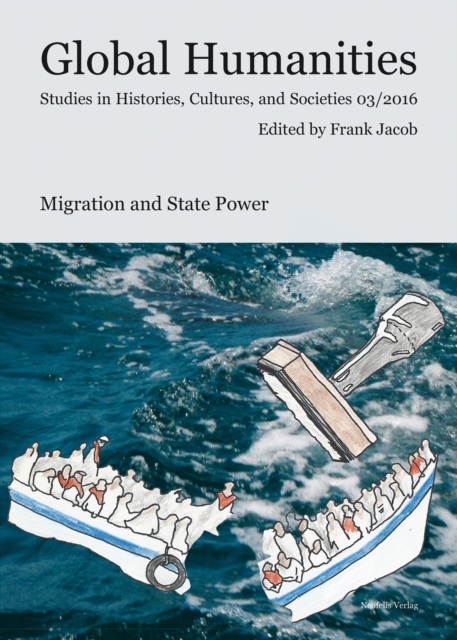
The current situation in Europe seems to emphasize that our modern society is still not ready to accept migration as an important part of human history.
Nicht Gesten, sondern Gestisches als Vorgang und Prozess, als Disposition und Haltung steht im Mittelpunkt der Auseinandersetzungen dieses interdisziplinär angelegten Bands.
In recent years, much research has been dedicated to the relationship between politics and aesthetics and, in particular, to the political power of aesthetics.
Dass sich gesellschaftliches Zusammenleben auch anders als in Form hierarchisch aufgebauter Staaten organisieren ließe, ist für viele Mitglieder westlicher Gesellschaften kaum vorstellbar.
Antoni Negri stellt vier Typen des Menschen vor: Den verschuldeten Menschen, den vernetzten Menschen, den verwahrten Menschen und den vertretenen Menschen.
Peter Trawnys Essay behandelt eine der größten Ideen der abendländischen Geschichte und zugleich eins der größten politischen Projekte der Welt: Europa.
Über die Wildheit des DenkensDie Diskussionen um Heideggers "Schwarze Hefte", jene vor Kurzem publizierten Aufzeichnungen aus dem Jahrzehnt zwischen 1931 und 1941, haben gezeigt, wie das extreme Denken Heideggers die öffentliche Verständnisfähigkeit an ihre Grenzen treibt.
Öffentliche Szenen der Bitte um Vergebung, des Geständnisses und der Reue – die Inszenierung der Schuld scheint von der Bühne des Politischen nicht mehr wegzudenken.
Vier Jahrzehnte lang arbeitete der marokkanische Philosoph Mohammed Abed Al-Jabri an der umfassenden und kritischen Reflexion des Niedergangs der arabischen Kultur.
When "e;The Soul of Man Under Socialism"e; first saw the light of day in 1891, this, the only explicitly political essay by Oscar Wilde, was hardly noticed, for he published four books in that year alone.
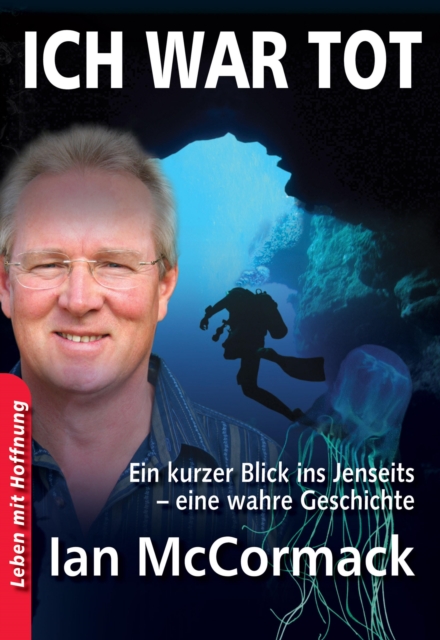
Seit 29 Jahren erzählt Ian McCormack von seiner himmlischen Erfahrung – zehntausende Menschen haben dadurch Jesus Christus als ihren Erretter gefunden.