Bajo la premisa de que la construcción histórica es siempre subjetiva, este libro reconstruye y cuestiona la historia convencional de la disciplina de las Relaciones Internacionales, signada por una única perspectiva: la del Norte global, y específicamente la de Estados Unidos.
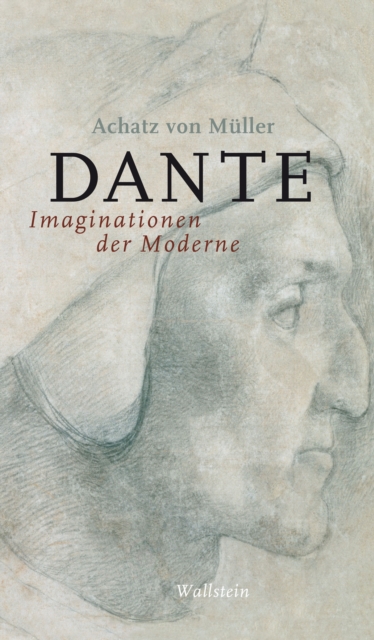
Der Dichter Dante Alighieri als Kristallisationsfigur der Imaginationen einer grenzenlosen Moderne, in der unsere Freiheiten und Hoffnungen ebenso wurzeln wie alle Schrecken und Ängste.
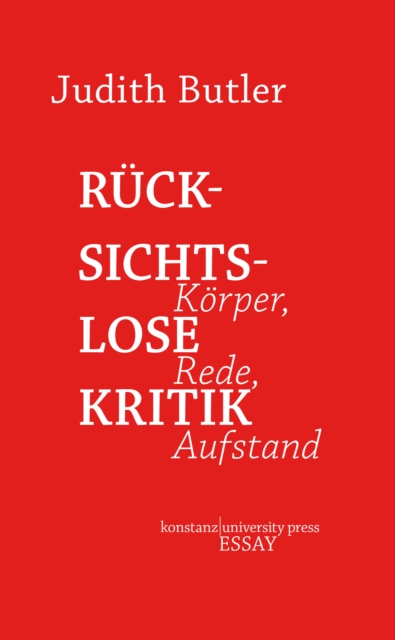
Die freie, furchtlose Rede, die Politik der Körper auf den Straßen, die öffentlichen Proteste und Versammlungen, sie alle erwachsen aus den Trümmern einer untergehenden Welt und bauen auf ihnen eine neue.
Die freie, furchtlose Rede, die Politik der Körper auf den Straßen, die öffentlichen Proteste und Versammlungen, sie alle erwachsen aus den Trümmern einer untergehenden Welt und bauen auf ihnen eine neue.
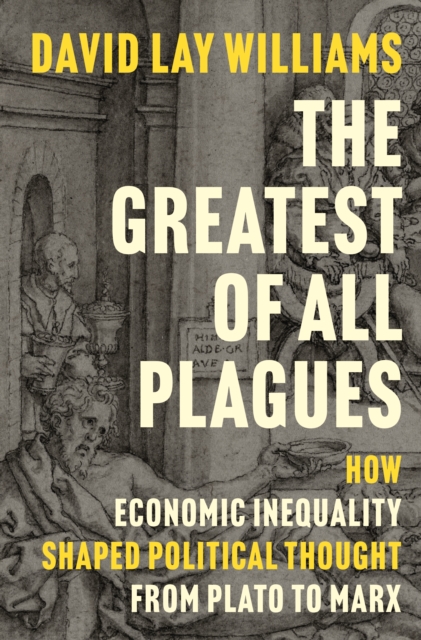
How the great political thinkers have persistently warned against the dangers of economic inequalityEconomic inequality is one of the most daunting challenges of our time, with public debate often turning to questions of whether it is an inevitable outcome of economic systems and what, if anything, can be done about it.
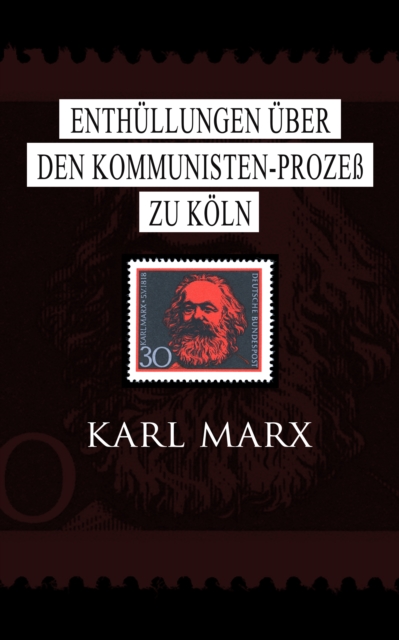
Dieses eBook: "Enthüllungen über den Kommunisten-Prozeß zu Köln" ist mit einem detaillierten und dynamischen Inhaltsverzeichnis versehen und wurde sorgfältig korrekturgelesen.
Anton Marty und Karl Buhler - zwei Schlusselfiguren der modernen SprachphilosophieAnton Marty und Karl Buhler verbinden in ihren wegweisenden Ansatzen uber das Verhaltnis von Sprache und Denken (sprach-) philosophische, linguistische und psychologische Erkenntnisse.
Eine empirische Erforschung der Wirkungszusammenhänge von liturgischen Zeichen, Handlungen und Vollzügen zusammen mit dem zugehörigen individuellen und gemeinschaftlichen Wahrnehmen und Erleben steht bislang weitestgehend aus.
Korruption ist ein faszinierendes Thema, das sich für Kriminalgeschichten eignet und den Blick in den furchterregenden Abgrund von Gesellschaften richtet.
Hegel hat sein naturphilosophisches Denken während der Jenaer Jahre zu einem die Logik und die Geistphilosophie ergänzenden Systemansatz fortentwickelt und im Rahmen der Heidelberger und Berliner Fassungen der Enzyklopädie als durchgebildetes System der Natur zum Abschluss gebracht.
Cassirer emigrierte 1933 zunächst nach England, wo er als Gastprofessor in Oxford lehrte; 1935 übernahm er eine Professur in Göteborg, bevor er 1941 in die USA übersiedelte.
Band 12 der »Nachgelassenen Manuskripte und Texte« umfasst vor allem das gründlich ausgearbeitete Vorlesungsmanuskript der 1920/21 in Hamburg gehaltenen Vorlesung »Schillers philosophische Weltansicht«.
Zentralen Begriffen seiner Philosophie wie Symbol, symbolische Prägnanz, symbolische Ideation oder Symbolcharakter der Wahrnehmung ist Ernst Cassirer bei der Vorbereitung des dritten Teiles der »Philosophie der symbolischen Formen« weit umfangreicher nachgegangen, als in diesem 1929 erschienenen Werk zu erkennen ist.
Alternative Facts, Post-Truth, Fake News – kaum etwas erregt und spaltet den öffentlichen Diskurs aktuell derart wie die Auseinandersetzungen über die Bedeutung von Fakten.
Johann Gottfried Herder hat 1799, achtzehn Jahre nach dem Erscheinen der »Kritik der reinen Vernunft«, eine umfangreiche und scharfe Kritik von Kants theoretischem Hauptwerk verfasst.
Dieses Buch erprobt eine neue Form philosophischen Schreibens: In sechs abwechselnd verfassten Kapiteln bringen die beiden Autoren, jeder in differenten Perspektiven und auf seine Weise, die sie gemeinsam berührende Frage zur Sprache: Kann man sich an Alterität, an Andersheit orientieren?