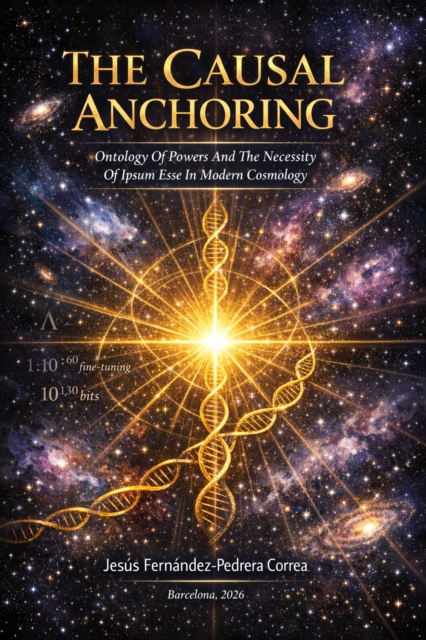
The Ruin of Chance: Is the universe a blind mosaic of unconnected events or the manifestation of a teleological structure calibrated with a precision of one part in 10^60 ?
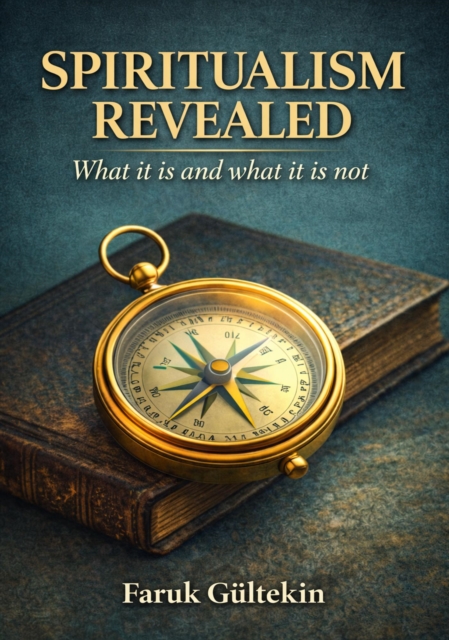
Spiritualism Revealed explores the real history and scientific dimensions of spiritualism, offering a clear-eyed perspective free from New Age interpretations.
Los pilares de la filosofía: tres maestros que forjaron el pensamiento occidentalSócrates, Platón y Aristóteles establecieron en apenas un siglo las preguntas fundamentales de la filosofía y las principales vías para abordarlos.
This book examines the fact-checking strategies adopted by major platforms such as Meta, X, TikTok, and YouTube to combat misinformation, including third-party verification, AI tools, community-based systems, and government initiatives.
This book examines the fact-checking strategies adopted by major platforms such as Meta, X, TikTok, and YouTube to combat misinformation, including third-party verification, AI tools, community-based systems, and government initiatives.
The book provides a comprehensive and knowledgeable introduction to the work of Max Horkheimer and contributes to the updating of his theoretical approaches.
The book provides a comprehensive and knowledgeable introduction to the work of Max Horkheimer and contributes to the updating of his theoretical approaches.
The book examines the adoption of different innovative technologies and explores the behavioral intention of both consumers and companies of using these technologies.
The book examines the adoption of different innovative technologies and explores the behavioral intention of both consumers and companies of using these technologies.
Surviving the demise of his humoral pathology and anatomy, Galen’s works on simple and compound remedies (the so-called ‘galenicals’) formed the backbone of Western pharmacology up until the Industrial Revolution.
Surviving the demise of his humoral pathology and anatomy, Galen’s works on simple and compound remedies (the so-called ‘galenicals’) formed the backbone of Western pharmacology up until the Industrial Revolution.
Tras sus dos grandes obras (Antropología para inconformes y Teología para inconformes), el autor ofrece ahora un análisis profundo de la ética y la antropología trascendental según el pensamiento de Leonardo Polo.