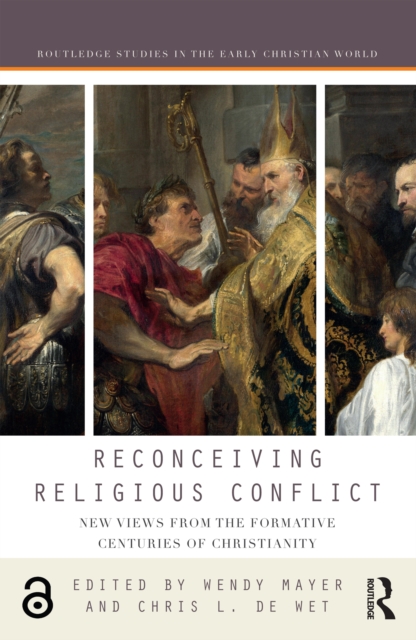
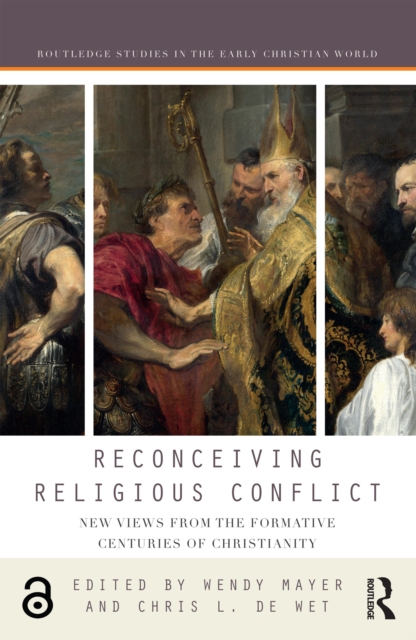
Reconceiving Religious Conflict deconstructs instances of religious conflict within the formative centuries of Christianity, the first six centuries CE.
Reconceiving Religious Conflict deconstructs instances of religious conflict within the formative centuries of Christianity, the first six centuries CE.
All three volumes of the occult classic available together as a deluxe boxed set for the first timeVolume I includes translations of rare texts alongside rites, practices, and arcane magical knowledge Volume II offers studies of mystery traditions throughout history and shares authentic initiatic wisdom and a rigorous selection of initiatory exercises Volume III explores esoteric practices for individual development and realization of immortal and divine potential, handed down from a primordial tradition In 1927 Julius Evola and other leading Italian esotericists formed the mysterious UR group.
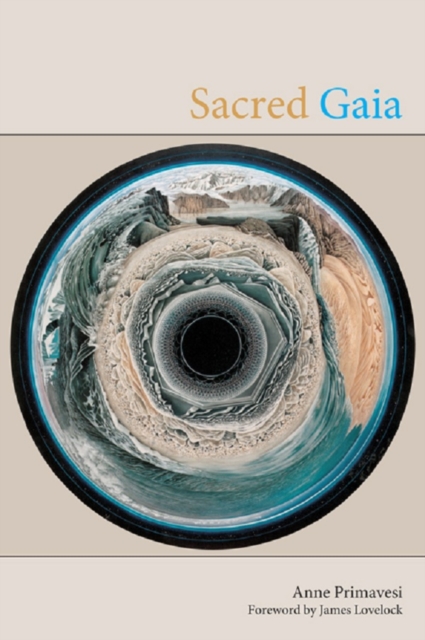
Gaia, the scientific theory founded by James Lovelock in 1979, embraces the earth as a whole, dynamic entity whose sum is always larger than its parts.
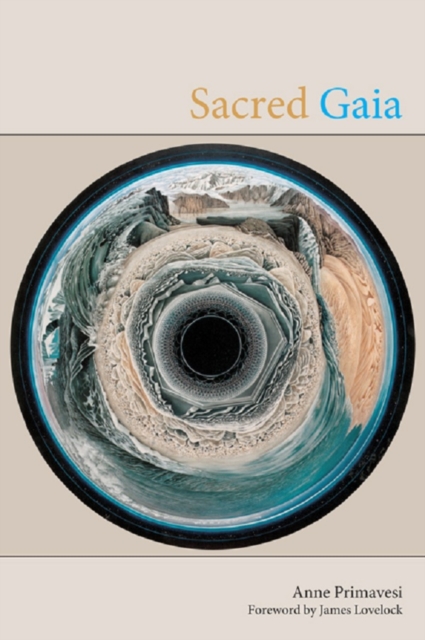
Gaia, the scientific theory founded by James Lovelock in 1979, embraces the earth as a whole, dynamic entity whose sum is always larger than its parts.
* Gives an account of the history, the theological basis, the practice and the current state of the study of religion and religions throughout the world* Combines a clear and non-technical style of presentation with a structure and range of contributions which reflect the richness and complexity of religion itself, of the religions of the world and the study of religions* Comprehensive index, bibliographies and suggestions for further reading`Intriguing philosophical questions are raised about the nature of religion and the qualities needed for studying it.
* Gives an account of the history, the theological basis, the practice and the current state of the study of religion and religions throughout the world* Combines a clear and non-technical style of presentation with a structure and range of contributions which reflect the richness and complexity of religion itself, of the religions of the world and the study of religions* Comprehensive index, bibliographies and suggestions for further reading`Intriguing philosophical questions are raised about the nature of religion and the qualities needed for studying it.
This study argues that this previously banned author devoted his entire life to articulating a religion of self-liberation in his autobiographical books, examining his life and work within the context of fringe religious movements that were linked with the avant-garde in New York City and Paris at the first of the 20th century.
This study argues that this previously banned author devoted his entire life to articulating a religion of self-liberation in his autobiographical books, examining his life and work within the context of fringe religious movements that were linked with the avant-garde in New York City and Paris at the first of the 20th century.
This unique book offers clear definitions of Gurdjieff's teaching terms, placing him within the political, geographic and cultural context of his time.
This unique book offers clear definitions of Gurdjieff's teaching terms, placing him within the political, geographic and cultural context of his time.
In Western religious traditions, God is conventionally conceived as a humanlike creator, lawgiver, and king, a being both accessible and actively present in history.
In Western religious traditions, God is conventionally conceived as a humanlike creator, lawgiver, and king, a being both accessible and actively present in history.
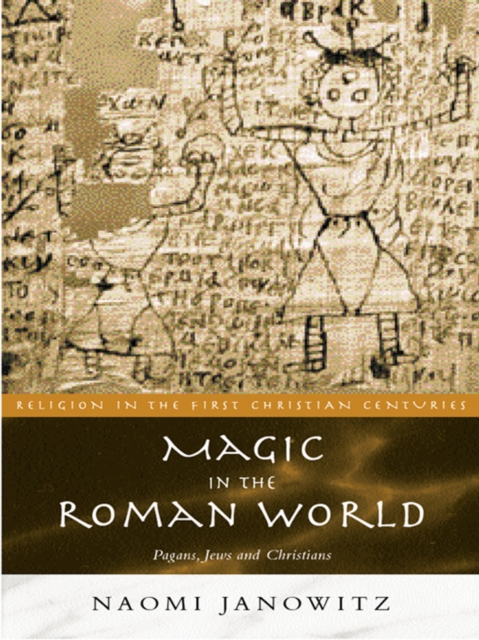
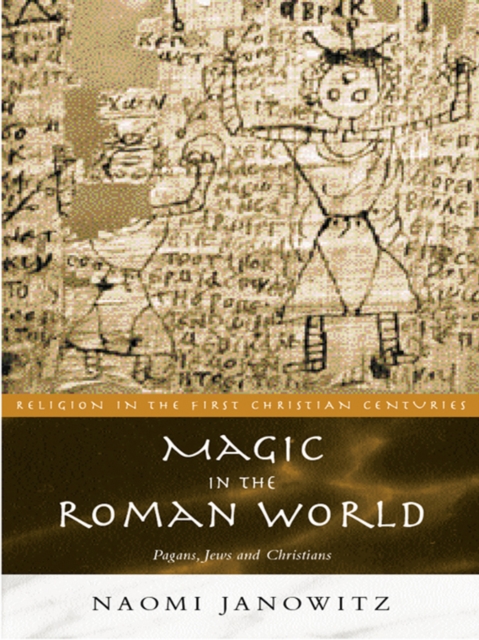
Using in-depth examples of 'magical' practice such as exorcisms, love rites, alchemy and the transformation of humans into divine beings, this lively volume demonstrates that the word 'magic' was used widely in late antique texts as part of polemics against enemies and sometimes merely as a term for other people's rituals.
Using in-depth examples of 'magical' practice such as exorcisms, love rites, alchemy and the transformation of humans into divine beings, this lively volume demonstrates that the word 'magic' was used widely in late antique texts as part of polemics against enemies and sometimes merely as a term for other people's rituals.
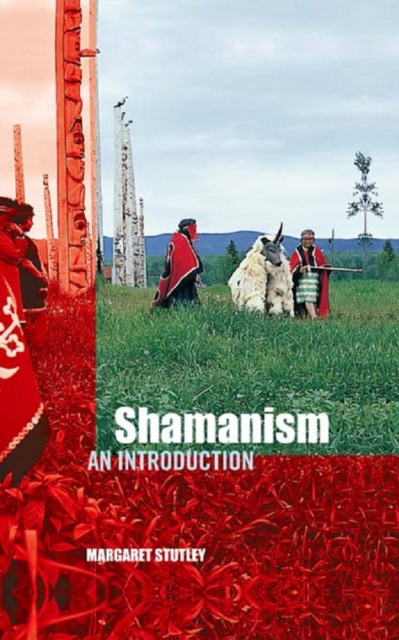
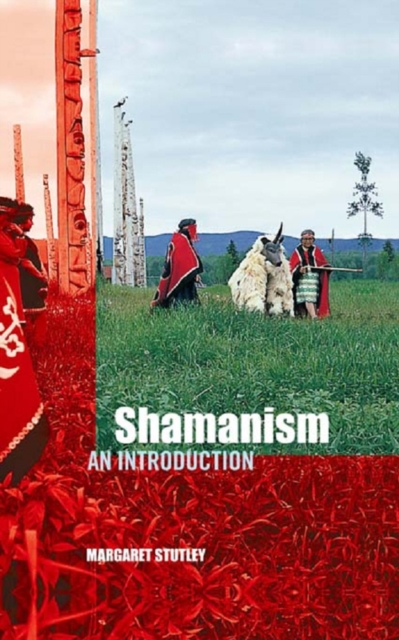
Shamanism is one of the earliest and farthest-reaching magical and religious traditions, vestiges of which still underlie the major religious faiths of the modern world.
Shamanism is one of the earliest and farthest-reaching magical and religious traditions, vestiges of which still underlie the major religious faiths of the modern world.
Madame Blavatsky''s Victorian-era masterpiece is now scaled down to its essentials, providing the most readable, accessible experience ever of one of history''s seminal occult works.
Examines in depth Enochs full story of the Watchers, the fallen angels who came to Earth and shared corrupting forbidden knowledge Explores how Enoch was a vital component of Second Temple messianic Judaism, speculative Jewish mysticism, the Kabbalah, and Gnostic mythology Investigates the entire history of the Book of Enoch and its important esoteric offshoots, including the later 2 Enoch (the Slavonic Book of the Secrets of Enoch) and the so-called Hebrew Book of Enoch (3 Enoch)Said to have been written by the prophet Enoch, the great-grandfather of Noah, the Book of Enoch disappeared for many centuries, except for one place: the Bible of the Ethiopian Orthodox Church, which held the book as canonical.
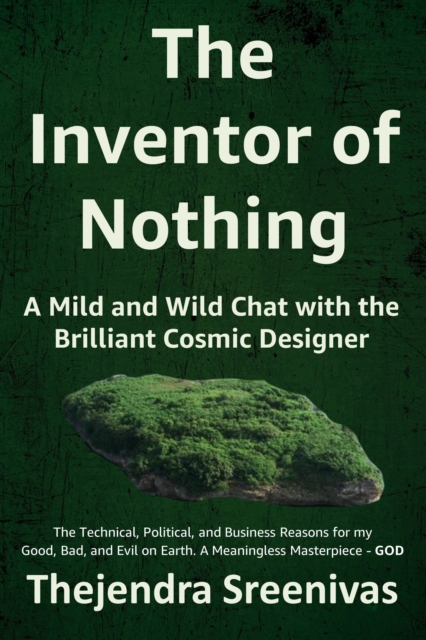
GOD, the mere mention of this word evokes feelings like awe, respect, happiness, trust, cynicism, mystery, and even terror in the hearts of many mortals.
Edmund Rubbra's music has given him a reputation as a 'spiritual' composer, who had an interest in Eastern thought, and a mid-life conversion to Roman Catholicism.
Edmund Rubbra's music has given him a reputation as a 'spiritual' composer, who had an interest in Eastern thought, and a mid-life conversion to Roman Catholicism.
Originally published in 1992, The Esoteric Scene, Cultic Milieu, and Occult Tarot examines beliefs, practices, and activities described as mystical, psychical, magical, spiritual, metaphysical, theophysical, esoteric, occult, and/or pagan, among other possible labels, by their American disciplines.
Originally published in 1992, The Esoteric Scene, Cultic Milieu, and Occult Tarot examines beliefs, practices, and activities described as mystical, psychical, magical, spiritual, metaphysical, theophysical, esoteric, occult, and/or pagan, among other possible labels, by their American disciplines.
This book demonstrates that living martyrdom was an important spiritual aspiration in the late antique Latin west and argues that, consequently, attempts to define, study, or locate martyrdom must move away from conceptualizations that require or center on death.
This book demonstrates that living martyrdom was an important spiritual aspiration in the late antique Latin west and argues that, consequently, attempts to define, study, or locate martyrdom must move away from conceptualizations that require or center on death.
Carpocrates, Marcellina, and Epiphanes is the definitive study of the early Christian theologian Carpocrates, his son Epiphanes, and the leader of the Carpocratian movement in Rome, Marcellina.
Carpocrates, Marcellina, and Epiphanes is the definitive study of the early Christian theologian Carpocrates, his son Epiphanes, and the leader of the Carpocratian movement in Rome, Marcellina.
This volume advances our understanding of early Christianity as a lived religion by approaching it through its rites, the emotions and affects surrounding those rites, and the material setting for the practice of them.