"In enmity, body, hatred, and smells, and he mentioned the hazards, the misfortunes, the promise, and the threat, the Prophet, may God's prayers and peace be upon him To prepare you for myself an infection that has no punishment.
Hunting Al -Khater is a book that his author Ibn Al -Jawzi said, explaining the reason for his authorship and the diversity of his topics: "When the thoughts were wandering in browsing things that he was exposed to, then he was presented, so he went, it was one of the first things to memorize what comes to not forget.
A book in preaching and guidance, in which Al -Jazari wanted to remind the believer in the matters of his religion, dedicating me to cramming, resurrection and account of the soul, and the sayings of the righteous in repentance and quitting sins such as backbiting, gossip, and characteristics that survive badness, disbelievers and obligations of heaven
A beautiful book and full of educational texts in which its author talks about the noble supervisors and the characteristics, consequences and news they characterized by the soul that urges the soul to imitate them and trace their exploits, and the compiler (520) have included a selected text from the hadiths raised, and the effects of the Companions and the followers and verses of the good poetry and its wonderful.
The book of asceticism and chips by Ibn Al -Mubarak for what was classified in this section, despite its containment, as Ibn Taymiyyah said many of the hadiths, and it is divided into several chapters distributed over sixteen parts that Ibn Al -Mubarak had included his book, and included everything that was said in this The topic, and given the importance of this topic, "Habib Al -Rahman Al -Adhami" took care of his achievement, so he took care of mentioning the sites of the verses and their numbers, and his hadiths and effects came out, noting that it is what the classified people circulated in the interpretation or in the types of hadith or otherwise, and he also explained some of what was knocked and closed from the words and phrases, He explained her stranger, and presented him with an additional introduction that is a translation of the work, writing and the concept of asceticism and its degrees .
Abu Al -Abbas Muhammad bin Yazid Al -Azdi Al -Nahwi, known as the cooler, may God Almighty have mercy on him: And we were affiliated with us with a man who underestimated this and sent him, which is Abu Ishaq Al -Qadi Ismail bin Ishaq Ibn Ismail bin Hammad bin Zaid bin Dirham.
Ibn Dhafar talks about the rules of rulers' behavior in front of the exalted stories in historical and fruitful tales of their purpose and consideration.
A book in preaching and guidance, in which Imam Ahmad bin Ali Al -Dalji went to his brothers and peers from the scholars and people of the misfortune, and al -Falaka means poverty and destitution, which is a word of Ajamiya, so the author mentioned in the book the meaning of the mankind, and that there is no argument for the poor to relate to the judiciary and destiny
The Sheikh, may God have mercy on him, said the importance of the Sunnah of the Sunnah is a chapter in the straight path in the Zahd and worship and the piety in leaving the forbidden things, desires, and the shortness of the worship, and that it is the obligatory of the Sunnah.
Ibn al -Jawzi's age is of special importance to Islamic science researchers interested in the topics of asceticism, chips and relevant topics, as the book of conservation of the age of Ibn al -Jawzi is included in the classifications of Sufism and austerity books; Which is related to many branches of Islamic knowledge, the sciences of jurisprudence and belief, etc.
The Book of Jalil is very beneficial, it is despite its small size, but it is full of lessons, sermons, and great wisdom in the ways of healing the soul, arranging it, and the morals that a person must follow and show himself.
"The runways of the walkers" is an explanation of the book of Sheikh Al -Islam Imam Abu Ismail Al -Harrawi, who is called the homes of those who walk to the Lord of the worlds.
This message was called the memory of the sane person, alerting the heedless, and its adoption on an introduction, and three chapters and a conclusion.
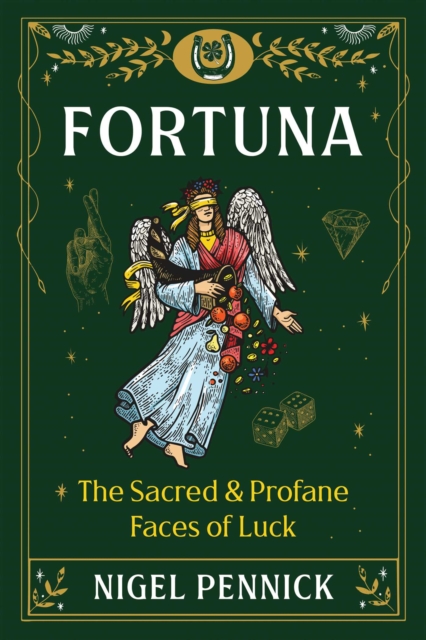
Traces the history of good fortune traditions from sacred divination to modern gambling Reveals how dice were originally considered sacred objects of divination and details the techniques and meanings of a dice oracle Looks at medieval grimoires for fortune-telling and other divination traditions, including those using cowrie shells, bones, coins, cards, sticks, and stones Examines how dice became a means of gaming and gambling and how gambling gave rise to specialized lucky charmsSome believe that our future is predetermined, while others assert that we have free will and our future can take many different courses depending on our actions.
El impactante testimonio y la trayectoria vital del padre Amorth son mundialmente conocidos, pero en esta entrevista con Elisabetta Fezzi, además de profundizar en su fe y amor a Dios y su devoción ferviente por la Virgen María, ofrece una ayuda catequética que nos acerca al discurso firme y profundo del exorcista más famoso del mundo.
"The evidence for God Almighty's love for His servants in the Holy Qur'an is countless, the most important of which is: the Almighty accepts the repentance of the disobedience, the transgression of their bad deeds, the grace of contentment, and love after anger, and from that the Almighty saying: (And to ask forgiveness of your Lord and then repent to Him, he will enjoy you well for the sake of the name The virtue of his bounty).
Ibn al -Qayyim described this book by saying: (This book is suitable for all the classes of people, it is suitable for aid on religion and the world, and a grace of urgent pleasure and the pleasure of Al -Aqabi, and it contains the mention of the sections of love and its rulers and its belongings, its correctness and its corrupt, its pests and its homes, its causes and contraindications, and what suits That is from explanatory jokes, prophetic hadiths, jurisprudential issues, Salafi monuments, poetic evidence, and cosmic facts, which is interesting to his reader, an engagement to the beholder.
The literature of the world and religion is a book written by Abu al -Hasan al -Mawardi, in which many etiquette and morals collected from the verses of the Noble Qur'an, the hadith of the Prophet, then with the proverbs of the wise, the etiquette of rhetoric, and the sayings of poets.
A book in literature and behavior in which the author dealt with a large number of morals and behaviors that a Muslim must move away from, such as backbiting cursing and stuffing by mentioning prophetic hadiths that are attributed to these behaviors
God Almighty made the Qur'an a book of guidance and mercy to the worlds, and made in following the gift of the peasant and winning in this world and the hereafter, and urged His servants to be created with the morals of this Qur'an and followed its command and avoiding its forbidden, and delegating the Qur'an campaign until they are represented by these lofty ethics or the high values that the Qur'an brought And their chests.
It is a message he sent to a brother called "Aladdin", in which he urged to teach people the good where he came, and advised everyone who met him, and that this is from the blessing of the man, and that whoever is without that has been devoid of blessing, and the blessing of his meeting and meeting was attached to it.
Alerting the sleeper immersion on the seasons of age is a book on the seasons and division of ages and their obedience, composed by Al -Hafiz Ibn Al -Jawzi (508 AH - 597 AH).
Ali bin Ahmad ibn Abdan told us, Ali ibn Ubayd al -Safar, we spoke to us Rak, on the authority of Abdullah bin Said bin Abi Hind, H, and we told us Abu Abdullah Muhammad Muhammad bin Abdullah, the Hafiz, Ahmad ibn Ja`far al -Qatay'i, Abdullah ibn Ahmad ibn Hanbul told me, my father spoke to me, and we spoke to us, and you will tell us.
"Because in the positions of distress and embarrassment, faith is tested, and people appear to people, where the soul dares the bitterness of pain, the tiredness of the world and its face is evacuated.
A book that includes a blessed constellation of Islamic and Arab heritage and contains great benefits on the issue of generosity, generosity and generosity.
The Book of Literature of Al -Majmsa, Hamad Al -Lisan, Fadl Al -Bayan, defamation, and teaching the syntax, authored by Al -Hafiz Abi Youssef bin Abdullah, known as Ibn Abdul -Barr, which is made up of several chapters.
"The runways of the walkers" is an explanation of the book of Sheikh Al -Islam Imam Abu Ismail Al -Harrawi, who is called the homes of those who walk to the Lord of the worlds.
Our book is an important reference to stand on the hadiths of the Prophet - may God bless him and grant him peace - in this chapter, which is the chapter: the rights of the neighbor.
The Book of Tawabin is a book on the stories of the repentants, composed by Al -Hafiz Ibn Qudamah, the author reviews in his book the news of the repentants, and the stories of the singers, who were in various ancient and modern ages, from the era of Adam to the early seventh century AH, and the compiler mentioned some of the news of the repentants who declared repentance for what they committed For suspense to their news and the desire for their conditions
The book of the judiciary of Al -Huwaijah Ibn Abi Al -Dunya is of particular importance (despite being unprofitable) among researchers interested in behavioral, educational, Islamic and possibly economic issues and public affairs as a whole, as it relates to many branches of academic and cultural knowledge.
The key to Dar Al -Saada and a publication of the mandate of science and will is a book in happiness in science, written by Ibn Qayyim Al -Jawziya (691 AH 751 AH - 1292 1349).
The book / study of souls literature for the rent is of particular importance to researchers interested in behavioral, educational, Islamic, and perhaps economic and public affairs as a whole, as it is related to many branches of academic and cultural knowledge
"The runways of the walkers" is an explanation of the book of Sheikh Al -Islam Imam Abu Ismail Al -Harrawi, who is called the homes of those who walk to the Lord of the worlds.
The Lessons in Yogi Philosophy and Oriental Occultism gathers a wide-ranging series of teachings on mind, spirit, ethics, and unseen forces, moving between practical discipline, metaphysical speculation, and devotional reflection.