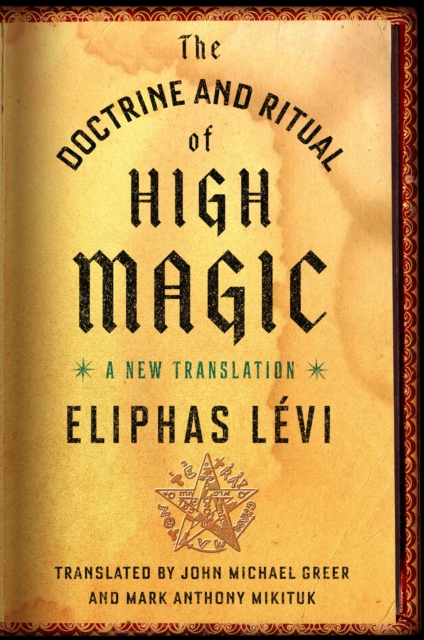
Filling a huge gap in our spiritual culture, here--at last--is a comprehensive and elegant translation of the 1854 French masterwork of occult philosophy.
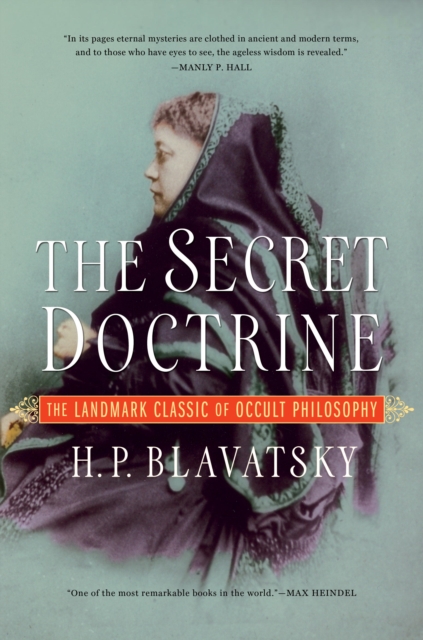
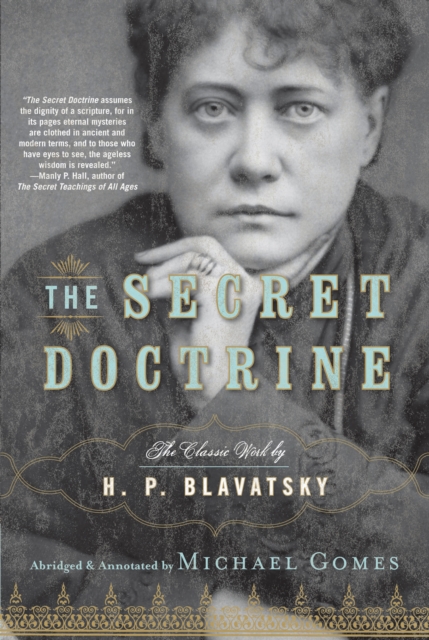
Madame Blavatsky''s Victorian-era masterpiece is now scaled down to its essentials, providing the most readable, accessible experience ever of one of history''s seminal occult works.
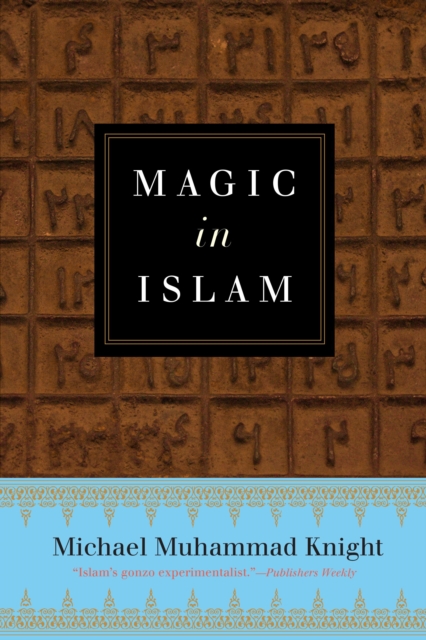
The progenitor of "Muslim punk rock" and one of today''s freshest spiritual voices pushes back against the common assumption that the historic faiths have no occult or magical tradition in this richly learned historical and personal journey through the practice of magic in Islam.
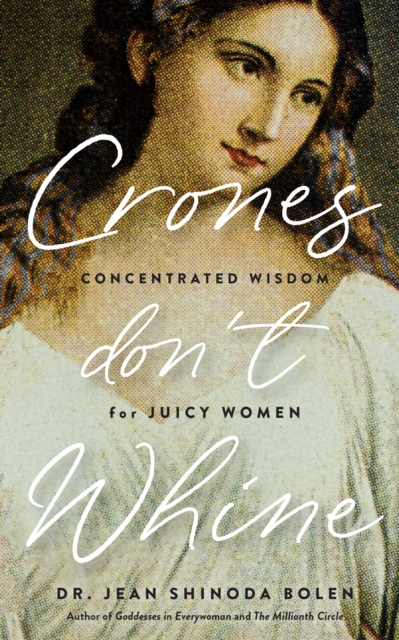
Discover the Power of Crone Wisdom in this Wonderful Gift for WomenSkip the midlife crisis and embrace the joys of aging with this lighthearted manual on how to become a juicy and wise old woman.
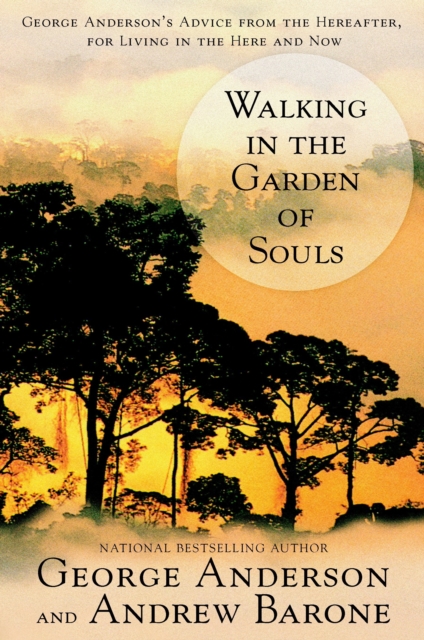
For 27 years, George Anderson, widely considered the world''s greatest living medium, has listened to those on the other side, gaining a unique awareness of what those souls want his millions of believers to know, to understand, and to accept.
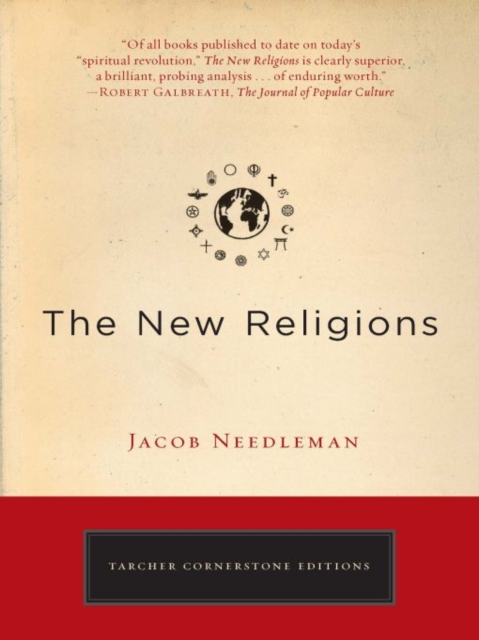
Philosopher Jacob Needleman''s groundbreaking study of America''s alternative spiritual movements is back in print with a new introduction by the author.
Madame Blavatsky''s Victorian-era masterpiece is now scaled down to its essentials, providing the most readable, accessible experience ever of one of history''s seminal occult works.
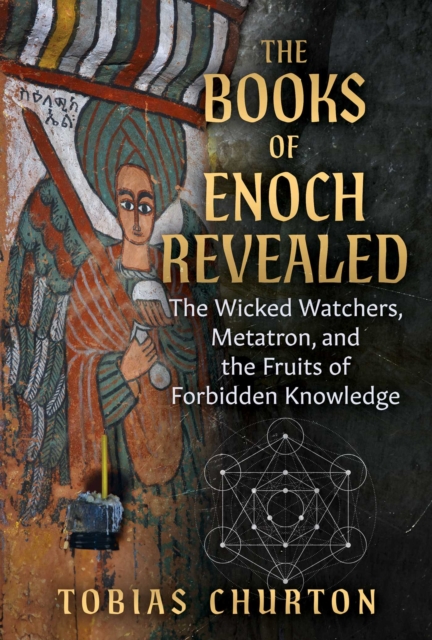
Examines in depth Enochs full story of the Watchers, the fallen angels who came to Earth and shared corrupting forbidden knowledge Explores how Enoch was a vital component of Second Temple messianic Judaism, speculative Jewish mysticism, the Kabbalah, and Gnostic mythology Investigates the entire history of the Book of Enoch and its important esoteric offshoots, including the later 2 Enoch (the Slavonic Book of the Secrets of Enoch) and the so-called Hebrew Book of Enoch (3 Enoch)Said to have been written by the prophet Enoch, the great-grandfather of Noah, the Book of Enoch disappeared for many centuries, except for one place: the Bible of the Ethiopian Orthodox Church, which held the book as canonical.
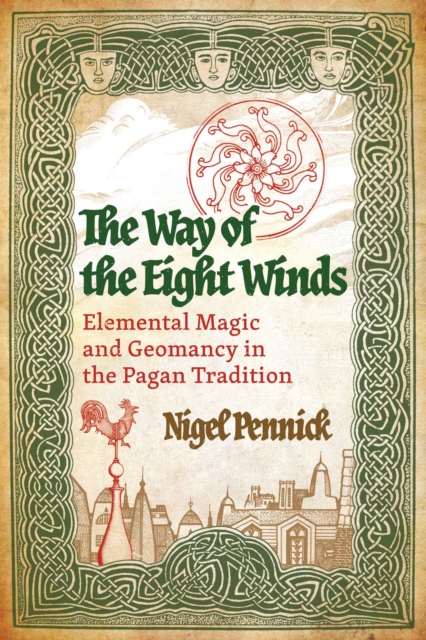
Examines the Eight Directions and the powers of their Winds, the Tides of the Day, and the eightfold year of modern Pagan practice Explores geomancy practices, how to work with spirits of place, and the power of mountains, rivers, caves, standing stones, and crossroads Shares spiritual exercises, including runic practices and divination techniques, as well as how to craft your own magical toolsIn this guide to the Way of the Eight Winds, Nigel Pennick explores the history and practice of traditional European Pagan spirituality, a path that recognizes and celebrates our relationship with the Cosmos and the creativity of Nature.
Kun Krsna tuli Pauganda-ikaan (kuudesta vuodesta kymmeneen vuoteen) Han naytti erittain viehattavalta kauniine hymyineen, pulleine poskineen ja miellyttavine tuoksuineen.
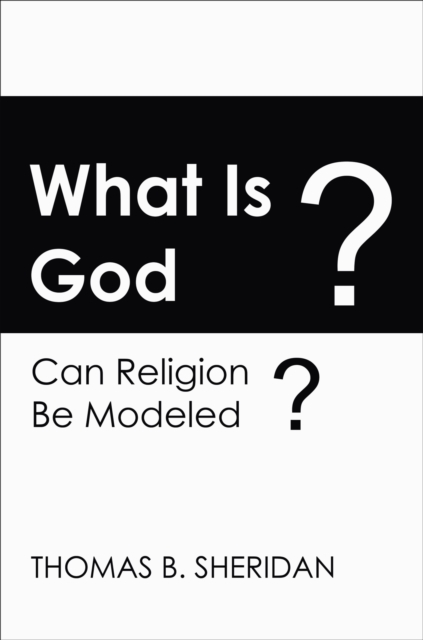
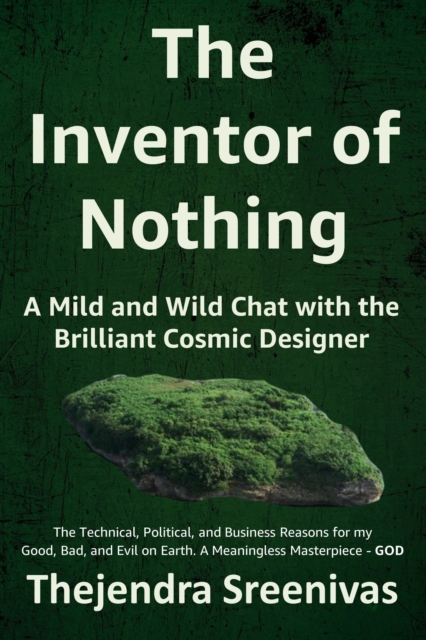
GOD, the mere mention of this word evokes feelings like awe, respect, happiness, trust, cynicism, mystery, and even terror in the hearts of many mortals.
Edmund Rubbra's music has given him a reputation as a 'spiritual' composer, who had an interest in Eastern thought, and a mid-life conversion to Roman Catholicism.
Edmund Rubbra's music has given him a reputation as a 'spiritual' composer, who had an interest in Eastern thought, and a mid-life conversion to Roman Catholicism.
Religious Dimensions of Conspiracy Theories contributes to the study of conspiracy culture by analysing the religious and esoteric dimensions of conspiracy theories.