The 21 studies in this volume, which deal with issues of social and intellectual history, religion and historical methodology, explore the ways whereby over the course of a few hundred years -roughly between the second and the fifth centuries A.
The 21 studies in this volume, which deal with issues of social and intellectual history, religion and historical methodology, explore the ways whereby over the course of a few hundred years -roughly between the second and the fifth centuries A.
Fifteen of these essays by one of the leading authorities on Renaissance Platonism explore the complex philosophical, hermeneutical, and mythological issues addressed by the Florentine, Marsilio Ficino (1433-99).
Fifteen of these essays by one of the leading authorities on Renaissance Platonism explore the complex philosophical, hermeneutical, and mythological issues addressed by the Florentine, Marsilio Ficino (1433-99).
The book offers a critical investigation of a wide range of features of religious discourse in the transmitted forensic, symbouleutic and epideictic orations of the Ten Attic Orators, a body of 151 speeches which represents the mature flourishing of the ancient art of public speaking and persuasion.
The book offers a critical investigation of a wide range of features of religious discourse in the transmitted forensic, symbouleutic and epideictic orations of the Ten Attic Orators, a body of 151 speeches which represents the mature flourishing of the ancient art of public speaking and persuasion.
This book surveys the uses and function of prophecy, prophets, and oracles among Jews, Christians, and pagans in the first three centuries of the Roman Empire and explores how prophecy and prophetic texts functioned as a common language that enabled religious discourse to develop between these groups.
This book surveys the uses and function of prophecy, prophets, and oracles among Jews, Christians, and pagans in the first three centuries of the Roman Empire and explores how prophecy and prophetic texts functioned as a common language that enabled religious discourse to develop between these groups.
This volume argues that ancient Greek girls and early Christian virgins and their families made use of rhetorically similar traditions of marriage to an otherworldly bridegroom in order to handle the problem of a girl's denied or disrupted transition into adulthood.
This volume argues that ancient Greek girls and early Christian virgins and their families made use of rhetorically similar traditions of marriage to an otherworldly bridegroom in order to handle the problem of a girl's denied or disrupted transition into adulthood.
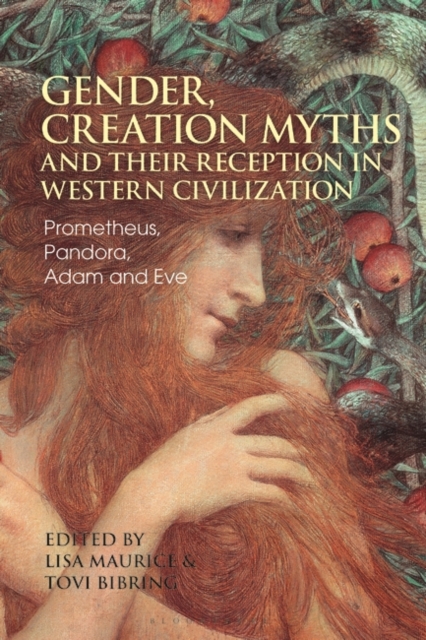
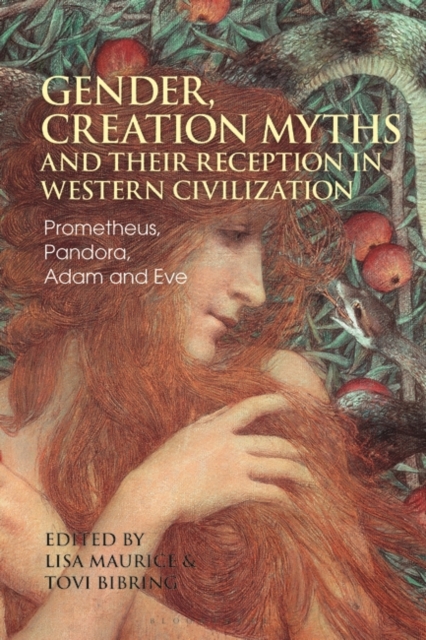
This volume offers an instructive comparative perspective on the Judaic, Christian, Greek and Roman myths about the creation of humans in relation to each other, as well as a broad overview of their enduring relevance in the modern Western world and its conceptions of gender and identity.
This volume offers an instructive comparative perspective on the Judaic, Christian, Greek and Roman myths about the creation of humans in relation to each other, as well as a broad overview of their enduring relevance in the modern Western world and its conceptions of gender and identity.
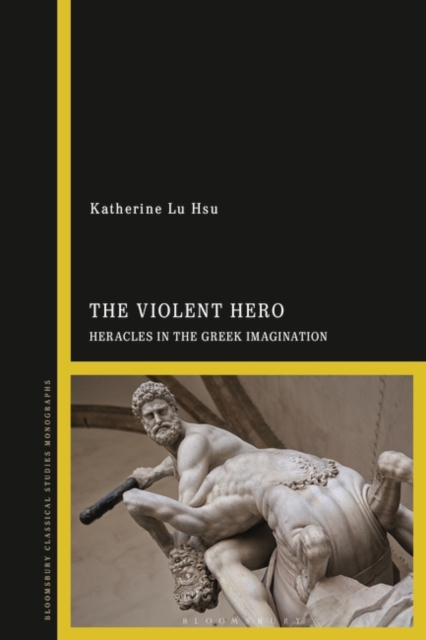
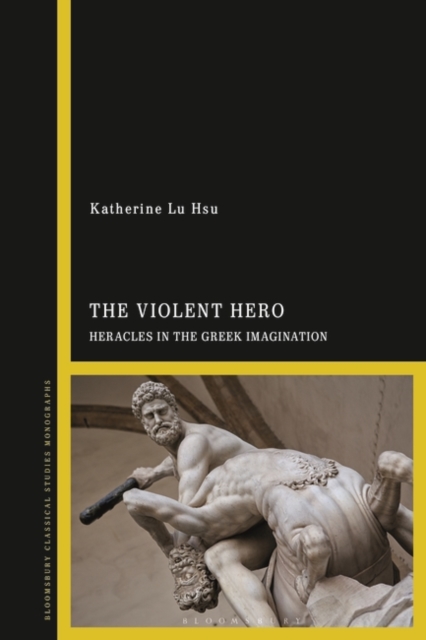
This book uses the mythological hero Heracles as a lens for investigating the nature of heroic violence in Archaic and Classical Greek literature, from Homer through to Aristophanes.
This book uses the mythological hero Heracles as a lens for investigating the nature of heroic violence in Archaic and Classical Greek literature, from Homer through to Aristophanes.
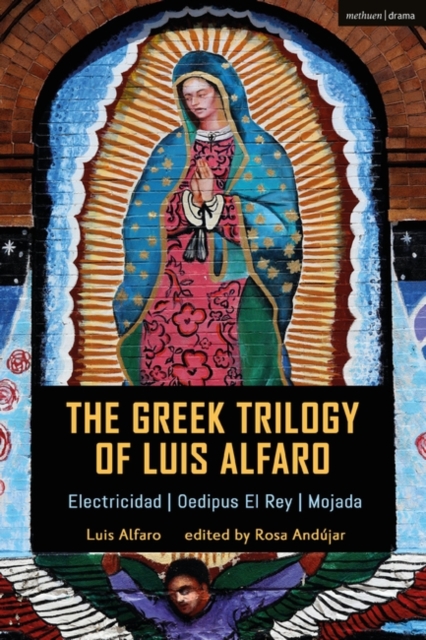
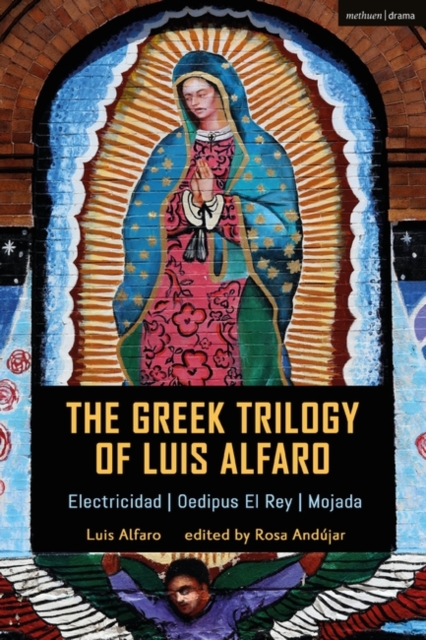
Winner of the London Hellenic Prize 2020The Greek Trilogy of Luis Alfaro gathers together for the first time the three 'Greek' plays of the MacArthur Genius Award-winning Chicanx playwright and performance artist.
Winner of the London Hellenic Prize 2020The Greek Trilogy of Luis Alfaro gathers together for the first time the three 'Greek' plays of the MacArthur Genius Award-winning Chicanx playwright and performance artist.
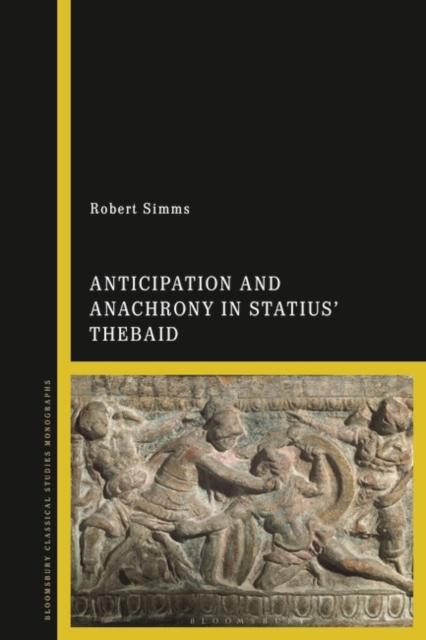
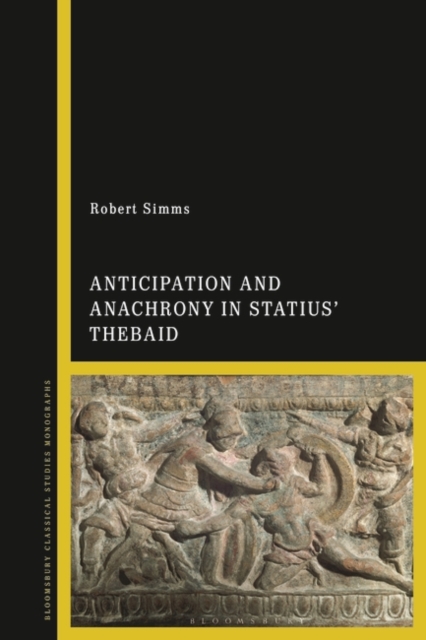
Applying the latest narratological theory and focusing on the use of anachrony (or 'chronological deviation'), this book explores how Statius competes – successfully – for a place within an established literary canon.
Applying the latest narratological theory and focusing on the use of anachrony (or 'chronological deviation'), this book explores how Statius competes – successfully – for a place within an established literary canon.
The Sacred Identity of Ephesos offers a full-length interpretation of one of the largest known bequests in the Classical world, made to the city of Ephesos in AD 104 by a wealthy Roman equestrian, and challenges some of the basic assumptions made about the significance of the Greek cultural renaissance known as the 'Second Sophistic'.
The Sacred Identity of Ephesos offers a full-length interpretation of one of the largest known bequests in the Classical world, made to the city of Ephesos in AD 104 by a wealthy Roman equestrian, and challenges some of the basic assumptions made about the significance of the Greek cultural renaissance known as the 'Second Sophistic'.
That the works of the ancient tragedians still have an immediate and profound appeal surely needs no demonstration, yet the modern reader continually stumbles across concepts which are difficult to interpret or relate to - moral pollution, the authority of oracles, classical ideas of geography - as well as the names of unfamiliar legendary and mythological figures.
That the works of the ancient tragedians still have an immediate and profound appeal surely needs no demonstration, yet the modern reader continually stumbles across concepts which are difficult to interpret or relate to - moral pollution, the authority of oracles, classical ideas of geography - as well as the names of unfamiliar legendary and mythological figures.
Interpretations of Greek Mythology, first published in1987, builds on the innovative work of Walter Burkert and the 'Paris school' of Jean-Pierre Vernant, and represents a renewal of interpretation of Greek mythology.
Interpretations of Greek Mythology, first published in1987, builds on the innovative work of Walter Burkert and the 'Paris school' of Jean-Pierre Vernant, and represents a renewal of interpretation of Greek mythology.
A remarkable number of Greek myths concern the plight of virgins - slaughtered, sacrificed, hanged, transformed into birds, cows, dear, bears, trees, and punished in Hades.
A remarkable number of Greek myths concern the plight of virgins - slaughtered, sacrificed, hanged, transformed into birds, cows, dear, bears, trees, and punished in Hades.
Julian: An Intellectual Biography, first published in 1981, presents a penetrating and scholarly analysis of Julian's intellectual development against the background of philosophy and religion in the late Roman Empire.
Julian: An Intellectual Biography, first published in 1981, presents a penetrating and scholarly analysis of Julian's intellectual development against the background of philosophy and religion in the late Roman Empire.
In the fifth century BC Thebes, faced with the challenges presented by defeat and disgrace in the Persian Wars - it had sided with the invaders - succeeded not only in regaining its former prominence, but also in laying the groundwork for its hegemony of Greece in the early part of the fourth century.
In the fifth century BC Thebes, faced with the challenges presented by defeat and disgrace in the Persian Wars - it had sided with the invaders - succeeded not only in regaining its former prominence, but also in laying the groundwork for its hegemony of Greece in the early part of the fourth century.
Lucian and His Roman Voices examines cultural exchanges, political propaganda, and religious conflicts in the Early Roman Empire through the eyes of Lucian, his contemporary Roman authors, and Christian Apologists.