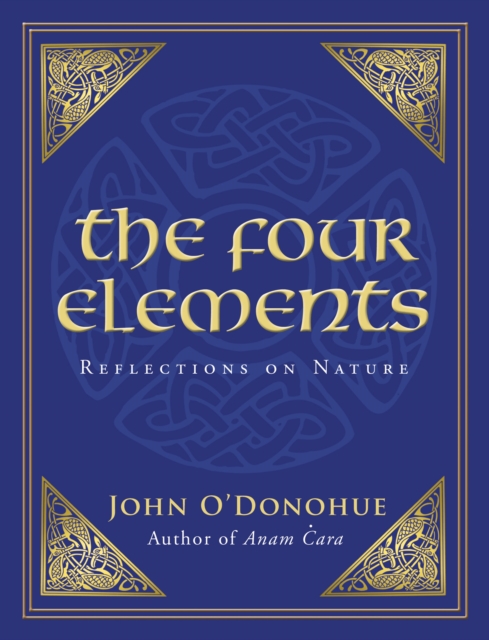
In The Four Elements, poet and philosopher John O'Donohue draws upon his Celtic heritage and the love of his native landscape, the west of Ireland, to weave together a tapestry of beautifully evoked images of nature.
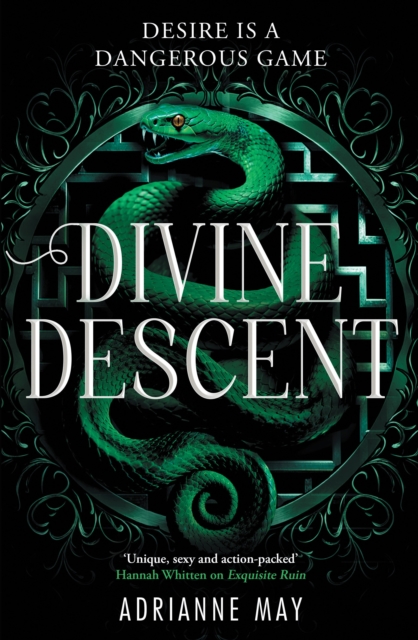
In this dark romance reimagining of the Orpheus and Eurydice myth, Sadare and Daesra are torn apart in the underworld - and new relationships may complicate their way back to one another.
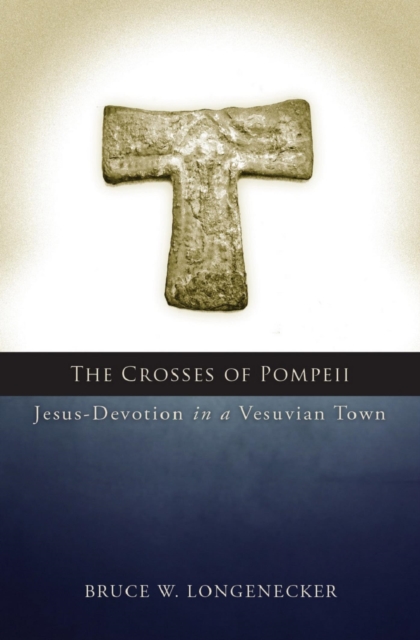
Through a twist of fate, the eruption that destroyed Pompeii in 79 CE also preserved a wealth of evidence about the town, buried for centuries in volcanic ash.
Through a twist of fate, the eruption that destroyed Pompeii in 79 CE also preserved a wealth of evidence about the town, buried for centuries in volcanic ash.
*Winner of the Aurora Award for Best Novel*From SUNDAY TIMES bestselling author Kate Heartfield comes a glorious, lyrical retelling of one of Norse mythology's greatest epics'With a brilliant heroine at the helm, this richly detailed, character-driven story renders epic mythological battles on a human scale' Publishers WeeklyBrynhild is a Valkyrie: shieldmaiden of the Allfather, chooser of the slain.
The series tells the story of each prophet in a simplified manner, showing us some aspects of his life, his mission, and the challenges he faced in the course of his mission.
La vision del hombre en su acenso y descenso, a partir de los bastiones que lo sostienen, amor, sabiduria, astucia y suerte, esto en la representacion de un mito, asi es como nace esta historia inspirada en la Grecia antigua.
Götter, Geister, Dämonen, Sagengestalten und Heroen bilden in der griechischen Mythologie ein buntes Kaleidoskop: Kosmische Götter stehen neben chthonischen Urwesen, apollinische Lichtgestalten neben Verkörperungen unheimlich-dämonischer Mächte, einheimische Götter neben solchen, die aus dem Orient gekommen sind, meist in Verbindung mit uralten Mysterienkulten.
This book explores how late antique condemnations of rituals at stones, trees and springs reveal deliberate ecclesiastical strategies designed to control devotion, redefine sacred landscapes and consolidate episcopal control across the rural territories of post-Roman Gaul and Hispania.
This book offers a new interpretation of the site of ancient Tainaron, the mythological entrance to the Greek underworld, by presenting a complete overview of its roles, functions, and significance throughout history.
This book offers a new interpretation of the site of ancient Tainaron, the mythological entrance to the Greek underworld, by presenting a complete overview of its roles, functions, and significance throughout history.
This book explores how late antique condemnations of rituals at stones, trees and springs reveal deliberate ecclesiastical strategies designed to control devotion, redefine sacred landscapes and consolidate episcopal control across the rural territories of post-Roman Gaul and Hispania.
"e;The Rise of the Babylonian Empire"e; surveys Babylonian history during the transitional period between 631 and 585 BC, from the end of Ashurbanipal's reign to the first half of the reign of Nebuchadnezzar II.
"e;The Rise of the Babylonian Empire"e; surveys Babylonian history during the transitional period between 631 and 585 BC, from the end of Ashurbanipal's reign to the first half of the reign of Nebuchadnezzar II.