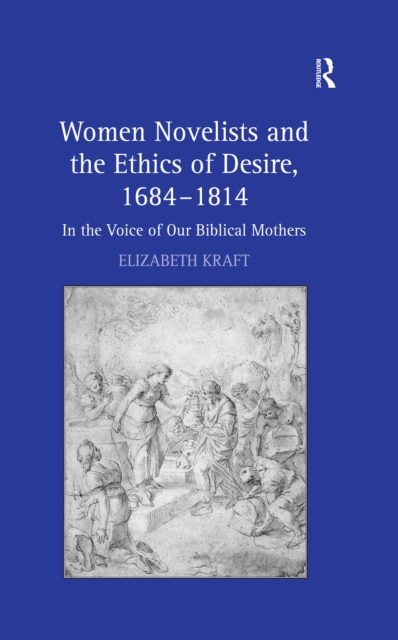
In Women Novelists and the Ethics of Desire, 1684-1814, Elizabeth Kraft radically alters our conventional views of early women novelists by taking seriously their representations of female desire.
This important study examines the cultural turn for women in the Middle East and North Africa, analyzing the ways they have adjusted to and at times defended, socially conservative redefinitions of their roles in society in matters of marriage, work, and public codes of behavior.
This important study examines the cultural turn for women in the Middle East and North Africa, analyzing the ways they have adjusted to and at times defended, socially conservative redefinitions of their roles in society in matters of marriage, work, and public codes of behavior.
Originally pulished in 2000, In Search of First Century Christianity contends that Christianity in the first century had no founder but rather evolved as a convergence of many forces: political disillusionment, cultural mutations, religious and theological motifs, psychosocial losses and new expectations.
Originally pulished in 2000, In Search of First Century Christianity contends that Christianity in the first century had no founder but rather evolved as a convergence of many forces: political disillusionment, cultural mutations, religious and theological motifs, psychosocial losses and new expectations.
This title was first published in 2000: Augustine of Hippo (354-430 CE) - Bishop, theologian, philosopher, and rhetorician - has left a rich legacy for reflection upon relationships between Christianity and culture, between Christian catechesis and liberal education, and between faith and reason.
This title was first published in 2000: Augustine of Hippo (354-430 CE) - Bishop, theologian, philosopher, and rhetorician - has left a rich legacy for reflection upon relationships between Christianity and culture, between Christian catechesis and liberal education, and between faith and reason.
In this volume, Brian Charles DiPalma examines masculinities in the court tales of Daniel as a test case for issues facing the burgeoning area of gender studies in the Hebrew Bible.
In this volume, Brian Charles DiPalma examines masculinities in the court tales of Daniel as a test case for issues facing the burgeoning area of gender studies in the Hebrew Bible.
This title was first published in 2002: The premise of the text is that there is a continuing need for biblical hermeneutic propsals and frameworks which emerge from the fields of both feminism and Christian theology.
This title was first published in 2002: The premise of the text is that there is a continuing need for biblical hermeneutic propsals and frameworks which emerge from the fields of both feminism and Christian theology.
Herod: King of the Jews and Friend of the Romans examines the life, work, and influence of this controversial figure, who remains the most highly visible of the Roman client kings under Augustus.
Herod: King of the Jews and Friend of the Romans examines the life, work, and influence of this controversial figure, who remains the most highly visible of the Roman client kings under Augustus.
This book, first published in 1975, is an examination of the theoretical foundation of the sociology of art and literature and an in-depth study in the sociology of knowledge.
This book, first published in 1975, is an examination of the theoretical foundation of the sociology of art and literature and an in-depth study in the sociology of knowledge.
This collection, first published in 1994, contains thirteen critical essays by established scholars from the fields of philosophy, literary criticism, feminist theory, politics, and sociology, and a new essay by Deleuze himself.
This collection, first published in 1994, contains thirteen critical essays by established scholars from the fields of philosophy, literary criticism, feminist theory, politics, and sociology, and a new essay by Deleuze himself.
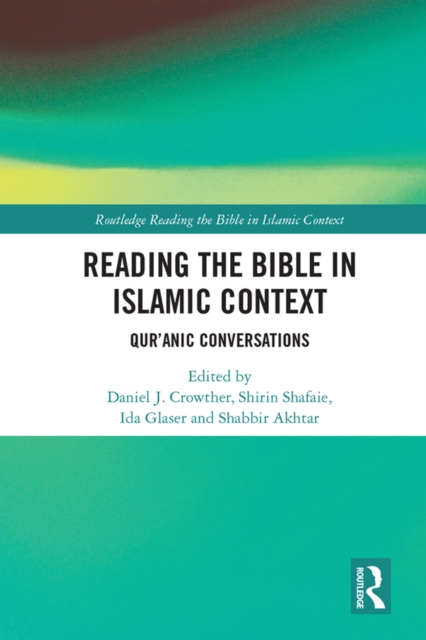
In the current political and social climate, there is increasing demand for a deeper understanding of Muslims, the Qur'an and Islam, as well as a keen demand among Muslim scholars to explore ways of engaging with Christians theologically, culturally, and socially.
In the current political and social climate, there is increasing demand for a deeper understanding of Muslims, the Qur'an and Islam, as well as a keen demand among Muslim scholars to explore ways of engaging with Christians theologically, culturally, and socially.
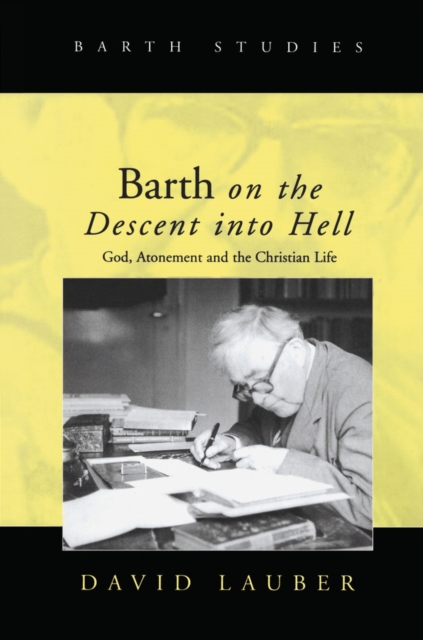
The Christian confession that Jesus Christ descended into hell has been variously misunderstood or simply neglected by the Church and dogmatic theology.