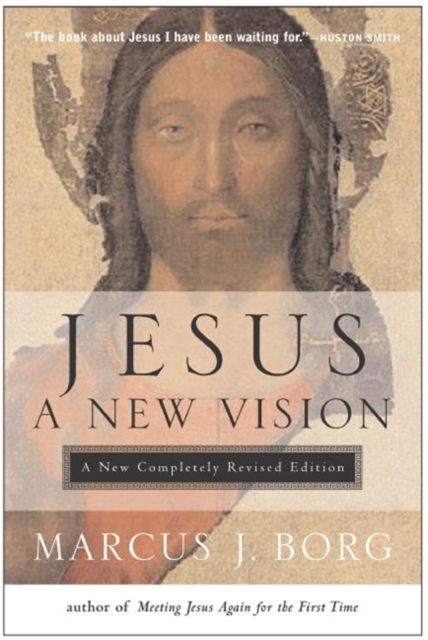
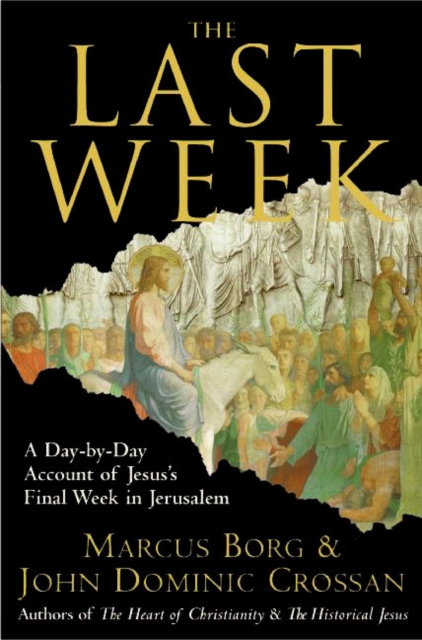
From top Jesus expert Marcus Borg, a completely updated and revised version of his vision of Jesusas charismatic healer, sage, and prophet, a man living in the power of the spirit and dedicated to radical social change.
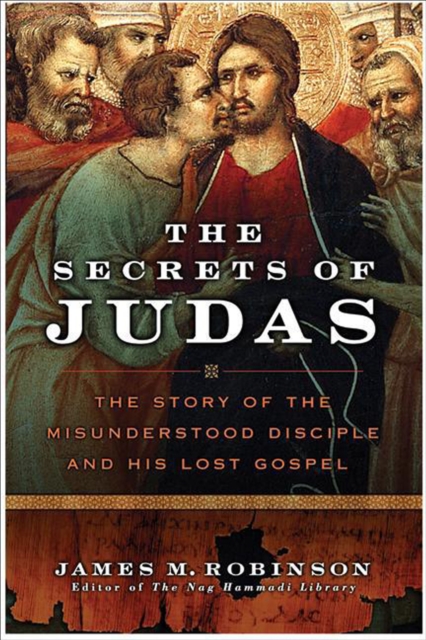
The story of the most enigmatic of disciples-now fully revised and updated-from "e;America's leading expert on ancient religious texts from Egypt"e; (The Associated Press).
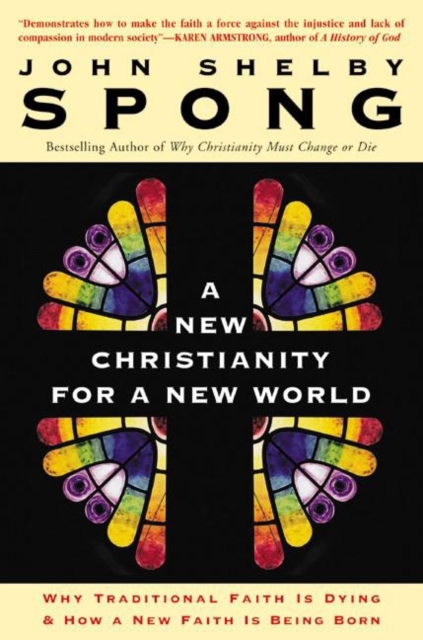
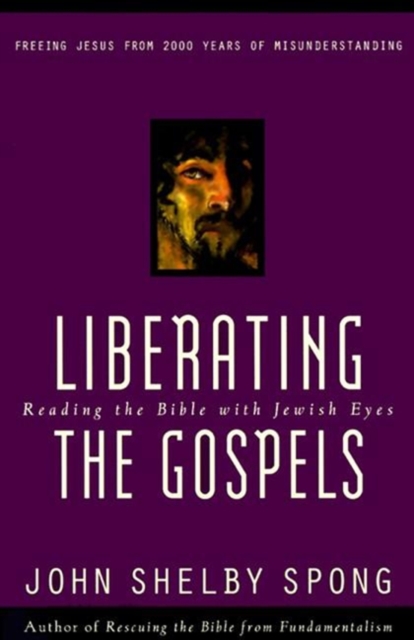
In this boldest book since Rescuing the Bible from Fundamentalism, Bishop John Shelby Spong offers a compelling view of the Gospels as thoroughly Jewish tests.
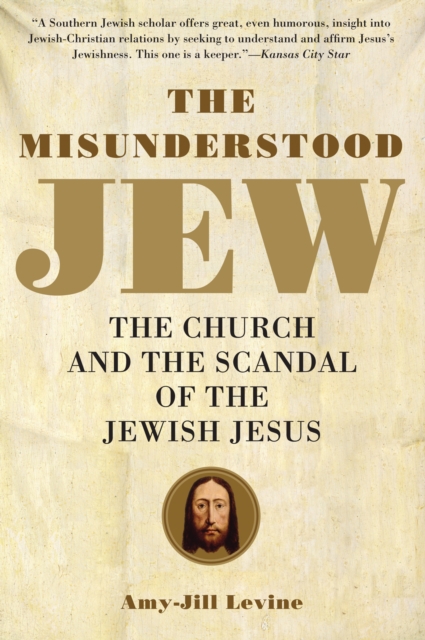
In the The Misunderstood Jew, scholar Amy-Jill Levine helps Christians and Jews understand the "e;Jewishness"e; of Jesus so that their appreciation of him deepens and a greater interfaith dialogue can take place.
"e;[The Book of] Revelation has served as a "e;language arsenal"e; in a great many of the social, cultural, and political conflicts in Western history.
From top Jesus expert Marcus Borg, a completely updated and revised version of his vision of Jesusas charismatic healer, sage, and prophet, a man living in the power of the spirit and dedicated to radical social change.
"e;The Bible and the social and moral consequences that derive from its interpretation are all too important to be left in the hands of the pious or the experts, and too significant to be ignored and trivialized by the uninformed and indifferent.
John Shelby Spong, bestselling author and Episcopal bishop of Newark, NJ, challenges the doctrine of the virgin birth, tracing its development in the early Christian church and revealing its legacy in our contemporary attitudes toward women and female sexuality.
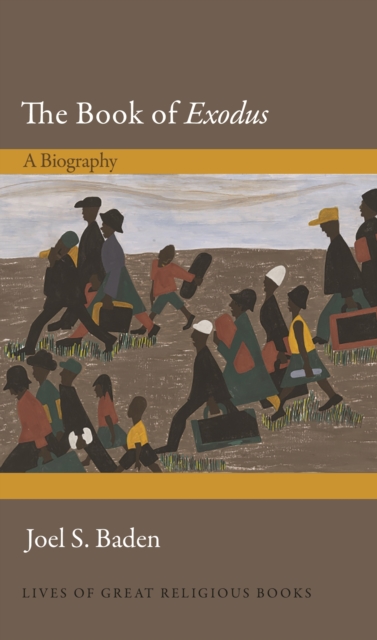
An essential biography of one of the Bible's most powerful and inspiring booksExodus is the second book of the Hebrew Bible, but it may rank first in lasting cultural importance.
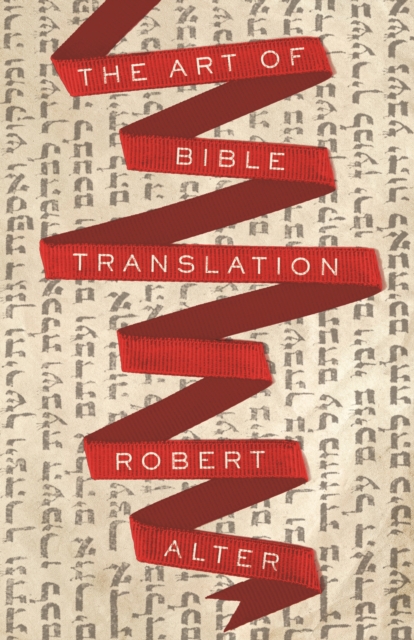
From the recipient of the National Jewish Book Award for Lifetime Achievement, a "e;hugely entertaining and irreverent"e; (Adam Gopnik, New Yorker) account of the art of translating the Hebrew Bible into EnglishIn this brief book, award-winning biblical translator and acclaimed literary critic Robert Alter offers a personal and passionate account of what he learned about the art of Bible translation over the two decades he spent completing his own English version of the Hebrew Bible.
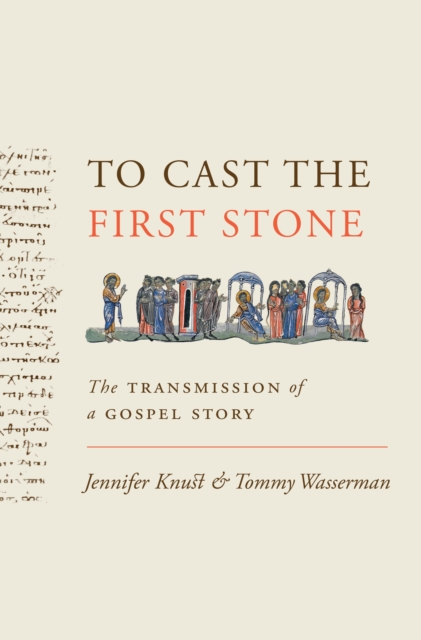
The story of the woman taken in adultery features a dramatic confrontation between Jesus and the Pharisees over whether the adulteress should be stoned as the law commands.
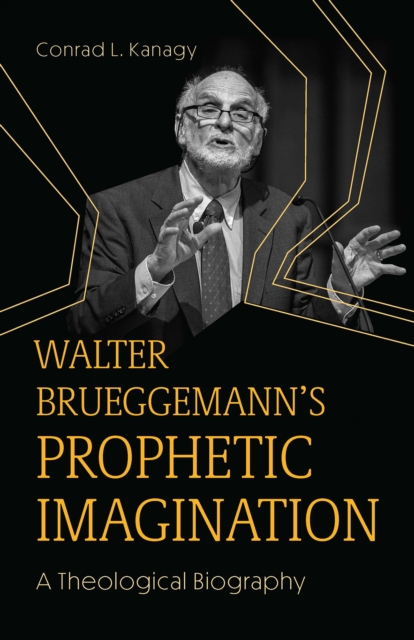
In this theological biography of the most prolific Old Testament student of the twenty-first century, Conrad Kanagy portrays Walter Brueggemann within the historical and cultural landscape of his formation.
2016 BIBLE OF THE YEAR - CRT Awards 2016A bright, lively new edition of the UK's bestselling Bible, perfect for helping children to enjoy and engage with the Bible.
The Tibetan Book of the Dead is one of the texts that, according to legend, Padma-Sambhava was compelled to hide during his visit to Tibet in the late 8th century.
The Buddhist saint Nagarjuna, who lived in South India in approximately the second century CE, is undoubtedly the most important, influential, and widely studied Mahayana Buddhist philosopher.
WINNER OF THE 2019 DUFF COOPER PRIZETHE SUNDAY TIMES BESTSELLER'With emotional and psychological insight, Barton unlocks this sleeping giant of our culture.
The books of the New Testament are some of the most extraordinary documents ever created - brilliant, vivid works central to the lives of many millions of readers over the centuries.
Most scholars studying the first five books of the Bible either attempt to dissect it into various pre-pentateuchal documents or, at the very least, analyze Genesis, Exodus, Leviticus, Numbers, and Deuteronomy as separate, self-contained documents.
This edited collection is the first volume solely dedicated to research on Johann Gottfried Herder's understanding of history, time, and temporalities.
Sarna examines the distinctiveness of the Exodus narrative in light of ancient Near Eastern history and contemporaneous cultures--Egyptian, Assyrian, Canaanite, and Babylonian.
Dieses eBook: "Luther in Rom (Historischer Roman)" ist mit einem detaillierten und dynamischen Inhaltsverzeichnis versehen und wurde sorgfältig korrekturgelesen.