Juan no es un evangelio caído del cielo sino que supone un origen, una tradición, un contexto histórico que ha determinado una interpretación elevada de la persona, de la obra y de la doctrina de Jesús, el Nazareno.
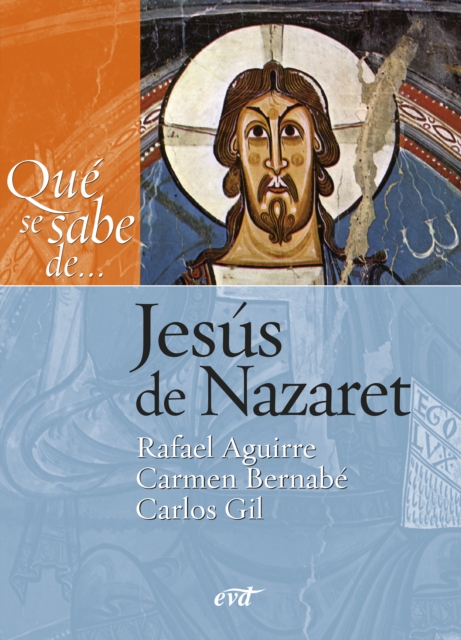
Jesús no es patrimonio de ningún grupo ni iglesia: es legítimo y necesario socializar su historia desde aquellos presupuestos y bases que son compartidas por cualquier persona que se interese por él, independientemente de su posición religiosa.
El leccionario del año litúrgico, que tiene como centro la persona de Jesucristo, quedó estructurado después del Concilio Vaticano II en tres ciclos (A, B y C) con tres lecturas para cada domingo.
Esta gramática es un instrumento para todas aquellas personas que se inician en el estudio de la lengua griega, haciendo hincapié en las particularidades del Nuevo Testamento.
La Biblia y su autoridad constituyen el problemático nudo en torno al que se construye la Edad Moderna, hasta el punto de que la Biblia y su correcta interpretación dividen Europa y la cristiandad.
Jesús no es patrimonio de ningún grupo ni iglesia: es legítimo y necesario socializar su historia desde aquellos presupuestos y bases que son compartidas por cualquier persona que se interese por él, independientemente de su posición religiosa.
A pesar de la frecuencia con la que muchas personas escuchan mencionar a Juan Bautista en las liturgias y otras celebraciones, su figura permanece siendo un tanto desconocida o resulta enigmática.
Jeremías y Ezequiel nos acercan a su palabra profética y a la historia, en la que el pueblo, por sus idolatrías e injusticias, fue testigo de la destrucción de Jerusalén, de su final como Reino de Judá, y de su partida y estancia en el exilio.
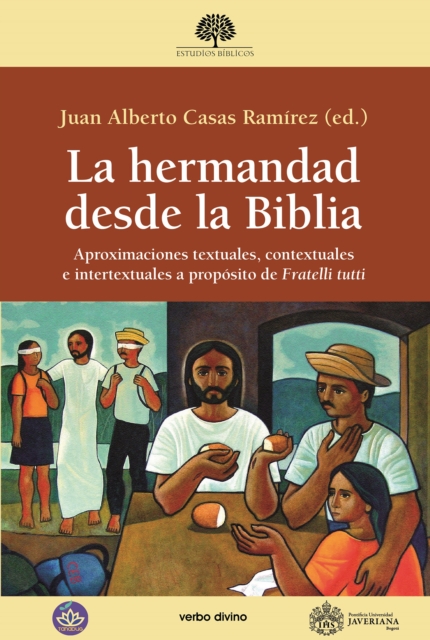
En atención al desafío de la hermandad, propuesto por el papa Francisco en Fratelli Tutti, esta obra -en la que participan 35 biblistas de América Latina y Europa-, aborda la temática, en primer lugar, desde los grandes corpus literarios del Antiguo y del Nuevo Testamento.
La misericordia constituye el centro del mensaje de la Biblia y de la tarea actual de los cristianos y de la humanidad entera, y en este libro se trata de ella entendida como amor entrañable de Dios y compromiso de solidaridad y ayuda mutua entre los hombres.
Debido a la época de su composición, a muchas obras de la literatura judía de los siglos II y I antes de Cristo y de los dos siguientes se les ha calificado de forma convencional como "literatura intertestamentaria"; es decir, entre el Antiguo y el Nuevo Testamento.
En el Antiguo Testamento, el texto hebreo presenta 45 bienaventuranzas a las que se añaden otras 17 contenidas en la versión griega; en el Nuevo Testamento encontramos 44.
Este volumen de Guías de Lectura del Nuevo Testamento (GLNT) está dedicado a dos escritos especialmente poderosos: la carta a los Colosenses y la carta a los Efesios.
El presente volumen de la colección «Introducción al Estudio de la Biblia», patrocinada y dirigida por la Asociación Bíblica Española, es una presentación de los Evangelios Sinópticos y los Hechos de los Apóstoles en la que se aúnan el rigor y la profundidad con la claridad expositiva.
La historia de la exégesis de la Biblia da fe de que desde el instante mismo de su gestación y puesta por escrito posterior fue objeto de estudio y de controversia.
El trabajo de Tilborg, realizado desde la perspectiva pragmática que caracteriza los comentarios de "Evangelio y Cultura", aporta más luz sobre el que es considerado como el evangelio "espiritual" en el sentido más denso del término.
Tras la publicación de Así empezó el cristianismo (2010), sobre el proceso formativo del cristianismo, en Así vivían los primeros cristianos, los mismos autores, con un trabajo en equipo, abordan la vida de los primeros seguidores de Jesús.
Este material de trabajo se propone ayudar a los lectores a comprender la «revelación de Jesucristo», la que transmitió el profeta Juan como buena noticia para las iglesias.
En este cuaderno bíblico se aclara el significado de 50 palabras que plantean dificultades porque, en la Biblia, no tienen el sentido corriente actual o poseen otros sentidos que las traducciones no pueden verter al castellano.
En su primera parte, este libro, estudia las condiciones requeridas para que se realice un verdadero encuentro del hombre con Dios y así tenga lugar ese diálogo que llamamos oración.