The messages in this book contain words of encouragement for anyone who is struggling with a physical affliction or a wide variety of other life altering challenges.
A multi-authored book, with editors and authors who are leaders in Faith Community Nursing (FCN) that aims to address contemporary issues in faith-based, whole person, community based health offering cost effective, accessible, patient centered care along the patient continuum while challenging contemporary health policy to include more health promotion services.
Infinite Reach: Spirituality in a Scientific World connects and integrates the great spiritual insights with science and mathematics for the increasing numbers of Americans who consider themselves spiritual but not religious, or spiritual and religious, or "e;none of the above,"e; and who no longer find traditional religious doctrines and institutions credible or matching their experience.
A child of China missionary parents, Keith Clements looks back on a life rich in diverse experiences in many parts of the world as pastor, theologian, writer, and servant of the ecumenical movement.
When Elizabeth Goodman first arrived at the tiny congregation that would become her home as a pastor--a congregation of about seven people in a town of just under a thousand--the longest-standing member told her that though the congregation was small, her preaching need not be.
Iron Sharpens Iron is grounded in the conviction that humans have the capacity to transcend conventional spirituality to a genuine and wholesome faith that is dynamic rather than static, future-oriented rather than past-oriented, and owned rather than passively acquired.
The best-selling writer Paula Gooder continues her exploration of the Christian year, with its different seasons and moods and the varying messages they convey.
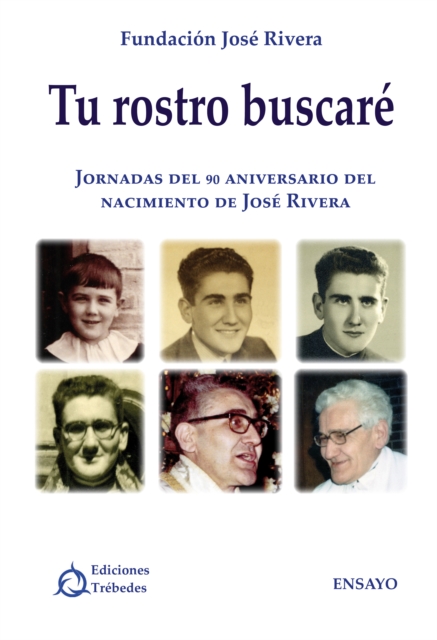
Este volumen recoge varias ponencias e intervenciones de las Jornadas celebradas en torno al 90 cumpleanos del Venerable Jose Rivera en Diciembre de 2015, la declaracion de Venerable el 1 de Octubre de ese mismo ano y la homilia del arzobispo de Toledo en la misa de Accion de Gracias por esta solemne declaracion.
Like Jesus, all the leading figures in the Bible--from Abraham and Ruth to Mary and Paul--reflect eight common attributes that inform how God followers today should lead their lives.
Shortlisted for the Edward Stanford Travel Book of the Year 2025A Financial Times best summer travel book of 2024Travel Book of the Year at the Inspire Global Media Awards'A powerfully delicate book of love, loss and discovery, along paths of emotional understanding and physical wonder.