Dennis Jacobsen brings his many years of experience doing congregation-based organizing for justice into conversation with unique spiritual reflections.
Careful moral reflection and action are important across all of modern life, but they are especially critical when it comes to our place as individuals and communities in matters of economics.
The Underground Church proposes that the faithful recapture the spirit of the early church with its emphasis on what Christians do rather than what they believe.
Book Three in The New Kind of Christian TrilogyIn the final installment of The New Kind of Christian Trilogy, Pastor Dan Poole and his friends face and survive their questions, doubts, and dark nights of the soul.
Most of us are going through the motions when it comes to faith, either believing we've found all the relevant answers to life's questions or believing none can be found.
Shining like the Sun offers seven mindful practices--attentiveness, ordinariness, simplicity, rhythms, conversation, delight, and restoration--that guide readers to wake up to God as a living reality and to come alive in their bodies, minds, hearts, and deep in their souls.
You've done what you can: you've seen your doctor, made an appointment with a therapist, picked up the prescription for the antidepressant and swallowed that first strange pill.
In Tough Questions, Honest Answers, Christian theologian Cameron Harder explores pressing contemporary challenges to religion--from religion itself to modern "e;big ideas"e; that often confound thoughtful seekers.
This work is a one-month devotional that offers guidance and inspiration to individuals who have failed God in some way and are finding it difficult to accept his forgiveness and forgive themselves.
To learn to read a text for the portals of silence that are implicit in it is to gain a powerful tool for supporting and expanding one's silence, and to open the reader to the insight that ensues.
To many modern people, apatheia (being "e;without suffering"e;/"e;without passion"e;) sounds like cold-heartedness and indifference to others, a condition to be avoided.
In this important book of Quaker spirituality, Jim Newby writes about his spiritual journey and the ways he has sought to navigate an increasingly complex world and understand his purpose in it.
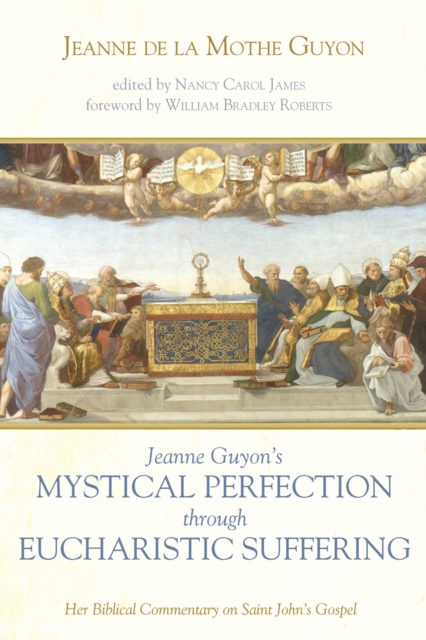
Madame Jeanne Guyon (1648-1717), a woman of great wisdom and worship, was filled with the richness of God's grace as she endured hardships and abuse in her married life.
Walking with the Full Assurance of Understanding has been written to provide Christians who are serious about their faith what Paul called: "e;the wealth that comes from the full assurance of understanding.