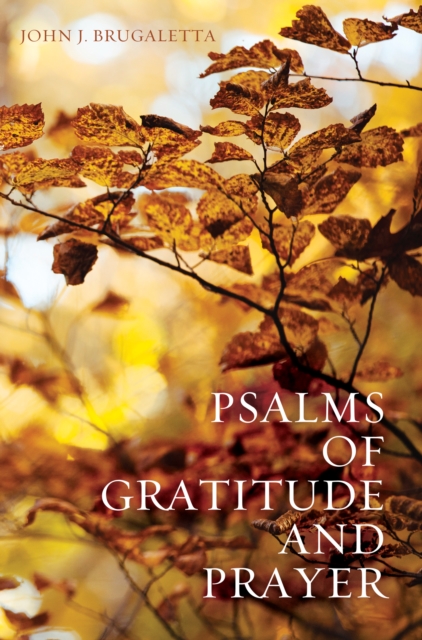
If part of the reason for half-empty pews in our churches is the white-knuckle grip we have on overused terminology, Psalms of Gratitude and Prayer almost always finds a fresh vocabulary for such terms.
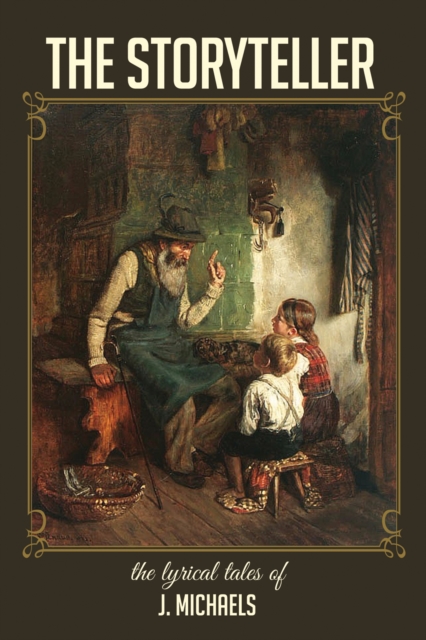
Whether it's the big-hearted hooker, the henchman priest, the fate of poor Bobby Fischer, tripping with Tom O'Leary, or the last thoughts of a dying man, we are told their secrets by the only one who knows them all, The Storyteller.
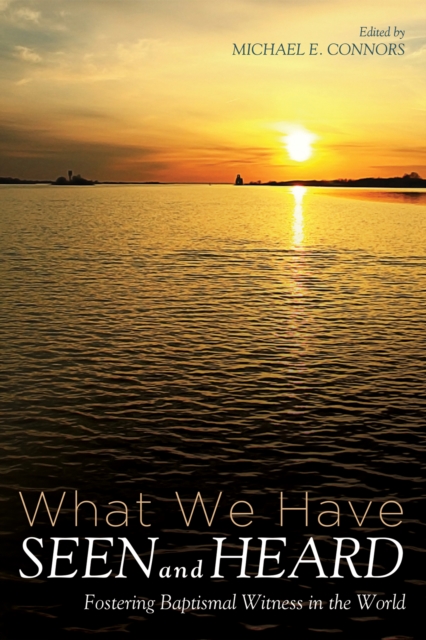
One of the chief challenges of the Second Vatican Council was to reclaim the meaning of baptism, especially as the foundation of service and mission in the world.
In the spirit of Cyril Barber's classic work from the 1970s, The Minister's Library, Robert Yost provides students and pastors with expert guidance on building a working ministerial library.
The Gospel of Matthew encourages and inspires its audience to practice the true, authentic, and holistic worship required for believers in Jesus to live in the kingdom of heaven.
A life-transforming approach to tearing down relationship barriers, Structured Engagement is a dialogical (communication) act between participants (in this case, God and the reader) that evolves around knowledge of and relationship with one another to create a pathway to truth-telling, freedom to act, and mutuality of purpose.
Books of Daily Thoughts and Prayers by Swami Paramananda offers a deeply spiritual collection of daily meditations and prayers to enrich the soul and calm the mind.
Included in this collection are two different translations of 'The Practice and Presence of God', 'The Spiritual Maxims of Brother Lawrence', and a short biography of Brother Lawrence.
The Cloud of Unknowing draws on the mystical tradition of Pseudo-Dionysius the Areopagite and Christian Neoplatonism, which focuses on the via negativa road to discovering God as a pure entity, beyond any capacity of mental conception and so without any definitive image or form.
In 1643 when the Long Parliament of England called the Westminster Assembly to produce the Westminster Confession, it also asked for a directory of "e;catechising"e;.
John Calvin was an influential French theologian and pastor during the Protestant Reformation, and a principal figure in the development of the system of Christian theology later called Calvinism.
This Treatise which I now present you, may be in some way serviceable to you, and that in it you will meet with many wholesome considerations which you would not elsewhere so easily find.
The Father in heaven asks, and requires, and actually expects, that every child of His yield Him whole-hearted and entire obedience, day by day, and all the day.