Mead explores what church growth and evangelism really mean in a time when it is mathematically impossible for every congregation to achieve significant numerical growth.
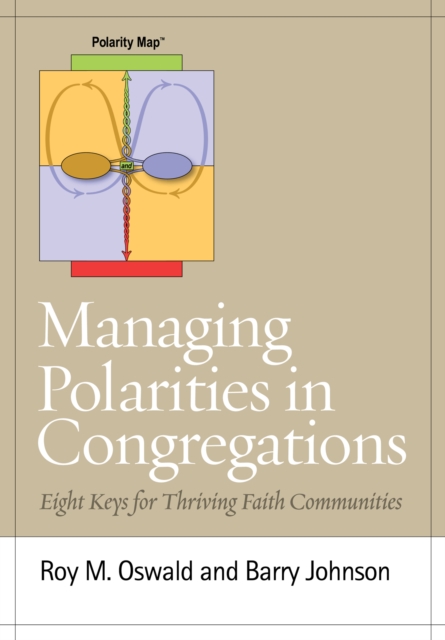
Planning can be challenging in the contemporary congregation, where people share a common faith and values but may have very different preferences and needs.
Discover inspiring, practical ways your board can make its meetings become opportunities for deepening faith, developing leadership, and church renewal.
Since its inception, the Alban Institute has earned a reputation as a leader in addressing congregational conflict management issues through its research, consulting services, educational events, and particularly its publications.
"e;Today we are awash in computerized Bible games, pastoral care software, and church management systems with members' personal information and giving records,"e; observe authors Spiegel, Armstrong, and Bill, but "e;too often we blindly accept and use technology without asking the big questions.
A congregation communicates its heart and soul through words, photos, actions, programs, architecture, decor, the arts, and countless other aspects of congregational life.
Twenty years after Critical Moment of Ministry was first published, Loren Mead returns to his groundbreaking work on one of the most important times in a congregation's life-the time between one pastor's leaving and another's arrival.
Not only do new church starts in significant numbers bring systemic change and renewal to mainline denominations, but new church development brings similar change to individual aging congregations in their vicinity.
Mead presents five key challenges facing today's churches-and how they represent opportunities for the evolutionary, transformative changes he believes must take place in congregations if the church is to remain a viable institution into the twenty-first century.
Roy Oswald, who ministers to pastors with great compassion, perceptiveness, and skill, now brings eight more years of field experience to an updated edition of "e;New Beginnings.
Clergy, worship or music committees, organists, and choir or music directors will find this a practical and invaluable guide to the role and power of music to express and form faith.
Nationally known for his work and teaching on clergy development, Oswald integrates research and experience into a liberating perspective on the pastoral calling.
Known as "e;the internship guy"e; at Dallas Theological Seminary where he teaches, George Hillman talks daily with students about God's movement in their lives.
A large and growing number of congregations are setting up church-based nonprofit organizations in order to operate community development or educational programs.
In our rapidly evolving religious scene, congregations that are open to continuous learning and willing to respond to external and internal change, will be the ones that achieve new vitality and health.
I can only shake my head in the face of the irony that all too often the very place where we look for life and health, the very place where we expect to nurture and deepen a loving relationship with God, can cause so many to experience the exact opposite.
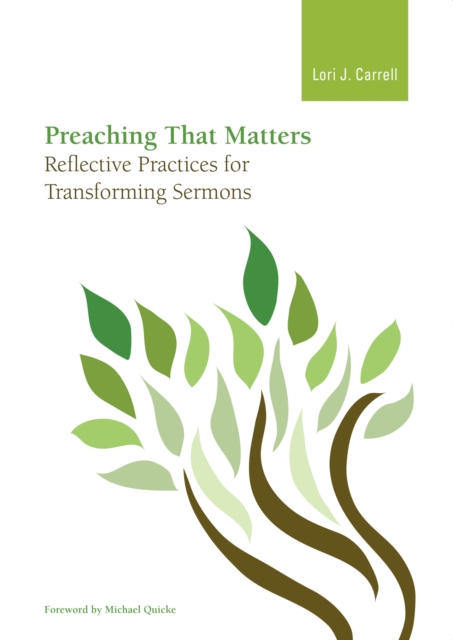
Listeners do love their pastors and they agree with the sermon content they hear,' Lori Carrell once explained to a group of pastors, 'but most sermons don't ask for change, and most listeners don't experience spiritual growth as a result of the sermon.
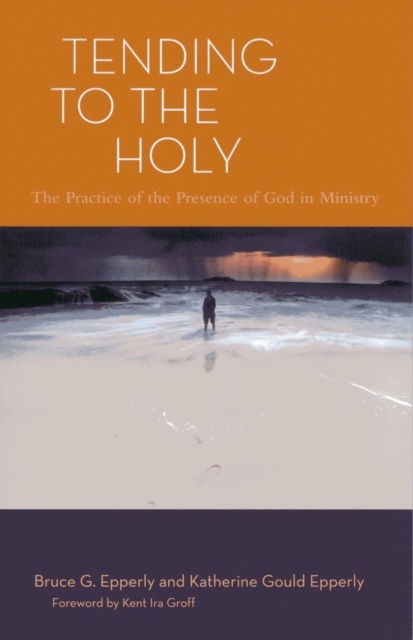
Tending to the Holy: The Practice of the Presence of God in Ministry invites pastors to embody their deepest beliefs in the routine and surprising tasks of ministry.
Known as "e;the internship guy"e; at Dallas Theological Seminary where he teaches, George Hillman talks daily with students about God's movement in their lives.
The synagogue remains a central institution in Jewish life as a place of study, worship, and assembly, but each day brings word of a new challenging development within each of the larger movements to which synagogues belong-Orthodox, Conservative, Reform, and Reconstructionist.
The synagogue remains a central institution in Jewish life as a place of study, worship, and assembly, but each day brings word of a new challenging development within each of the larger movements to which synagogues belong-Orthodox, Conservative, Reform, and Reconstructionist.