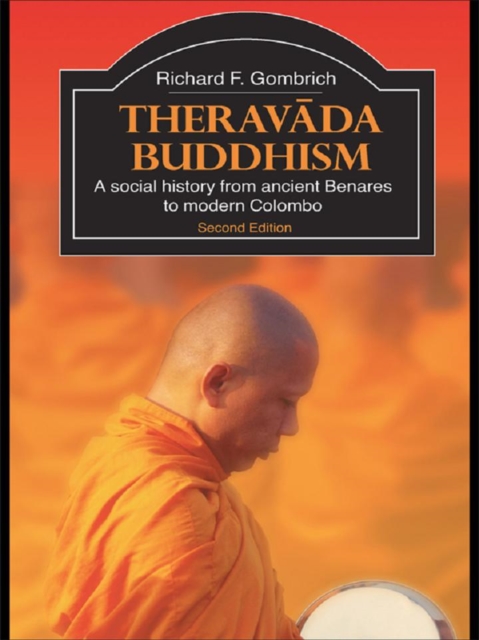
Written by the leading authority on Theravada Buddhism, this up-dated edition takes into account recent research to include the controversies over the date of the Buddha and current social and political developments in Sri Lanka.
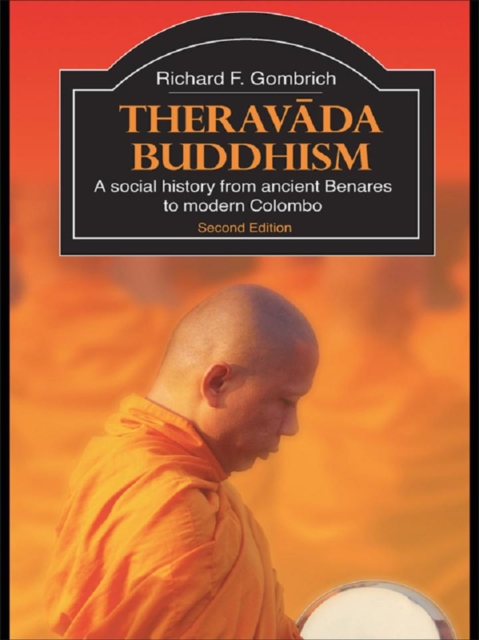
Written by the leading authority on Theravada Buddhism, this up-dated edition takes into account recent research to include the controversies over the date of the Buddha and current social and political developments in Sri Lanka.
Written by one of the world's top scholars in the field of Pali Buddhism, this new and updated edition of How Buddhism Began, discusses various important doctrines and themes in early Buddhism.
Written by one of the world's top scholars in the field of Pali Buddhism, this new and updated edition of How Buddhism Began, discusses various important doctrines and themes in early Buddhism.
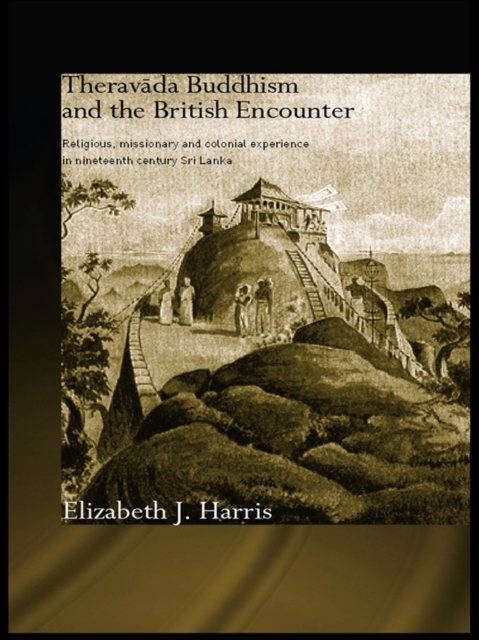
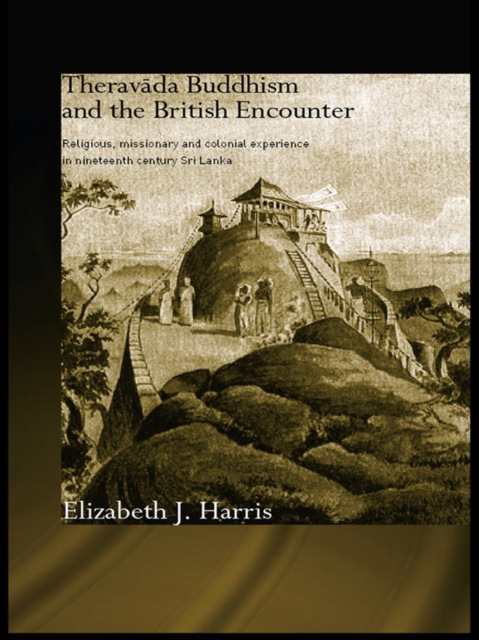
This major new work explores the British encounter with Buddhism in nineteenth century Sri Lanka, examining the way Buddhism was represented and constructed in the eyes of the British scholars, officials, travellers and religious seekers who first encountered it.
This major new work explores the British encounter with Buddhism in nineteenth century Sri Lanka, examining the way Buddhism was represented and constructed in the eyes of the British scholars, officials, travellers and religious seekers who first encountered it.
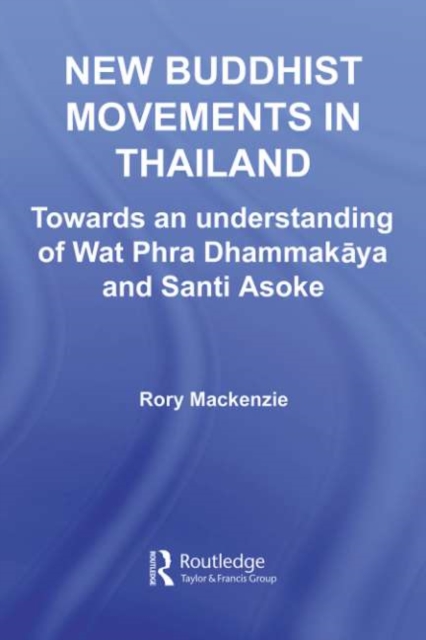
Vastly different in belief and practice, two new Buddhist religious movements in Thailand, namely the Wat Phra Dhammakaya and Santi Asoke emerged in Thailand in the 1970s at a time of political uncertainty, social change and increasing dissatisfaction with the Thai Sangha and its leadership.
Vastly different in belief and practice, two new Buddhist religious movements in Thailand, namely the Wat Phra Dhammakaya and Santi Asoke emerged in Thailand in the 1970s at a time of political uncertainty, social change and increasing dissatisfaction with the Thai Sangha and its leadership.
This book explores the cultural history of embryology in Tibet, in culture, religion, art and literature, and what this reveals about its medicine and religion.
This book explores the cultural history of embryology in Tibet, in culture, religion, art and literature, and what this reveals about its medicine and religion.
This book examines the concepts of power, wealth and women in the important Mahayana Buddhist scripture known as the Gandavyuha-sutra, and relates these to the text's social context in ancient Indian during the Buddhist Middle Period (0-500 CE).
This book examines the concepts of power, wealth and women in the important Mahayana Buddhist scripture known as the Gandavyuha-sutra, and relates these to the text's social context in ancient Indian during the Buddhist Middle Period (0-500 CE).
Based on the Zen philosophy that we learn more from our failures than from our successes, One Continuous Mistake teaches a refreshing new method for writing as spiritual practice.
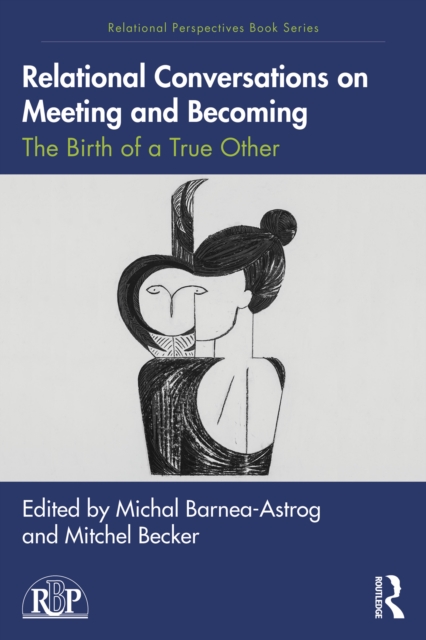
Demonstrating a relational, dialogic way of thinking and writing, this book offers an innovative perspective on the human potential for intersubjective engagement and on the nature of true encounter.
Demonstrating a relational, dialogic way of thinking and writing, this book offers an innovative perspective on the human potential for intersubjective engagement and on the nature of true encounter.
This book is the first comprehensive overview of Buddhist architecture in North America and provides an analysis of Buddhist architecture and communities.
This book is the first comprehensive overview of Buddhist architecture in North America and provides an analysis of Buddhist architecture and communities.
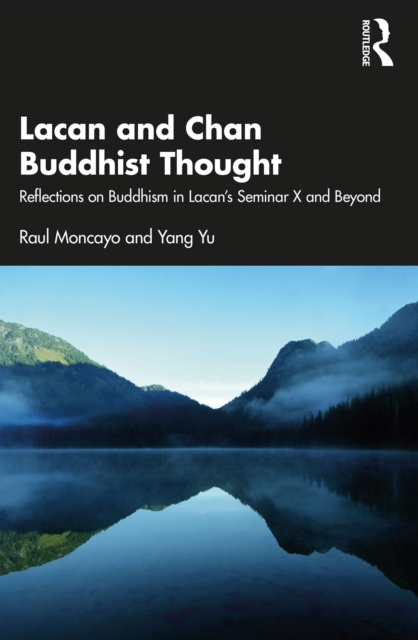
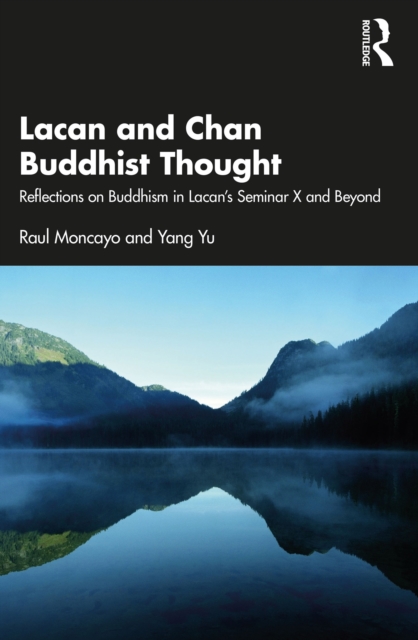
Lacan and Chan Buddhist Thought provides a close reading of how Lacan mobilizes concepts from Chan Buddhist philosophy, culture, and practice in his later teachings.
Lacan and Chan Buddhist Thought provides a close reading of how Lacan mobilizes concepts from Chan Buddhist philosophy, culture, and practice in his later teachings.
This book examines the importance of the topic of 'feeling tone' (vedana) as it appears in early Buddhist texts and practice, and also within contemporary, secular, mindfulness-based interventions.
This book examines the importance of the topic of 'feeling tone' (vedana) as it appears in early Buddhist texts and practice, and also within contemporary, secular, mindfulness-based interventions.
This book offers an original phenomenological description of mindfulness and related phenomena, such as concentration (samadhi) and the practice of insight (vipassana).
This book offers an original phenomenological description of mindfulness and related phenomena, such as concentration (samadhi) and the practice of insight (vipassana).
This book explores the contributions of East Asian traditions, particularly Buddhism and Daoism, to environmental philosophy in dialogue with European philosophy.
This book explores the contributions of East Asian traditions, particularly Buddhism and Daoism, to environmental philosophy in dialogue with European philosophy.
Chinese Theatre: An Illustrated History Through Nuoxi and Mulianxi is the first book in any language entirely devoted to a historical inquiry into Chinese theatre through Nuoxi and Mulianxi, the two most representative and predominant forms of Chinese temple theatre.
Chinese Theatre: An Illustrated History Through Nuoxi and Mulianxi is the first book in any language entirely devoted to a historical inquiry into Chinese theatre through Nuoxi and Mulianxi, the two most representative and predominant forms of Chinese temple theatre.
This book is the first socio-intellectual history of the Dharma Drum Lineage of Chan (Zen), a new lineage of Buddhism founded by the late Chinese Buddhist cleric, Sheng Yen (1931-2009)-arguably one of the most influential Chan masters in contemporary times.
This book is the first socio-intellectual history of the Dharma Drum Lineage of Chan (Zen), a new lineage of Buddhism founded by the late Chinese Buddhist cleric, Sheng Yen (1931-2009)-arguably one of the most influential Chan masters in contemporary times.