Robert Aitken Roshi presenta en este libro las bases fundamentales para el entrenamiento Zen, una práctica que nos armoniza y ayuda a aportar compasión y sabiduría a todos los aspectos de la vida.
Por más que intentemos resistirnos, los finales tienen lugar a cada momento: el fin de una respiración, el término del día, el final de una relación y, en última instancia, el de la vida.
Corazón heroico constituye una inteligente lectura del famoso texto budista Las treinta y siete estrofas de la práctica del bodhisattva, muy estimado por todos los linajes del budismo tibetano.
Este libro trata sobre seres humanos que dicen haber sido pájaros y peces en vidas pasadas, meditadores que describen cómo dieron el paso de la vida a la no-muerte, pensadores convencidos de que, si entrenamos la mirada del alma y la orientamos hacia dentro, recordaremos nuestro origen divino.
Dieses eBook: "Kreuzeswissenschaft - Studie über Johannes vom Kreuz" ist mit einem detaillierten und dynamischen Inhaltsverzeichnis versehen und wurde sorgfältig korrekturgelesen.
Dieses eBook: "Geschichte des Zauberers Merlin" ist mit einem detaillierten und dynamischen Inhaltsverzeichnis versehen und wurde sorgfältig korrekturgelesen.
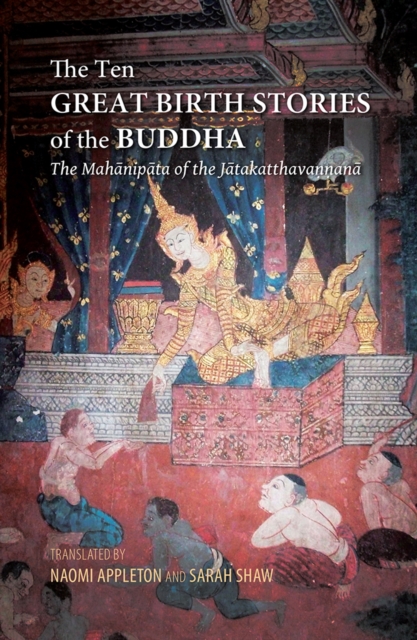
Chapter: The Birth Story of Temiya, or of the Dumb CrippleThis is the first complete English translation in over a century of the ten great j taka tales covering the Bodhisatta's final adventures in the human realm before his ultimate life and enlightenment as the Buddha.
The Complete Poems Emily Dickinson - Only eleven of Emily Dickinsons poems were published prior to her death in 1886; the startling originality of her work doomed it to obscurity in her lifetime.
Knulp Hermann Hesse - Die drei Geschichten aus dem Leben des Landstreichers Knulp, einem Nachfahren von Eichendorffs "Taugenichts", zählen zu den reizvollsten Stücken der frühen Prosa Hermann Hesses.
El Bardo thodol, más conocido en Occidente como El libro tibetano de los muertos, es una guía de instrucciones para los moribundos y los muertos que, según la creencia del budismo tántrico del Tíbet, permite alcanzar la iluminación durante el periodo inmediato posterior a la muerte y por algunos días más, a fin de evitar renacer e ingresar nuevamente al samsara, pues se considera que la muerte dura 49 días y después de ello sobreviene un renacimiento en el ciclo de la reencarnación.
The monk who taught the world mindfulness' TimeHow to Listen is part of a charming series of books from Zen Master Thich Nhat Hanh, exploring the essential foundations of mindful meditation and practice.
This book offers an innovative take on the study of Chinese academic history, approaching the subject from the perspective of broader social and cultural developments, one that is not only comprehensive and inclusive, but also sheds new light on the subject.
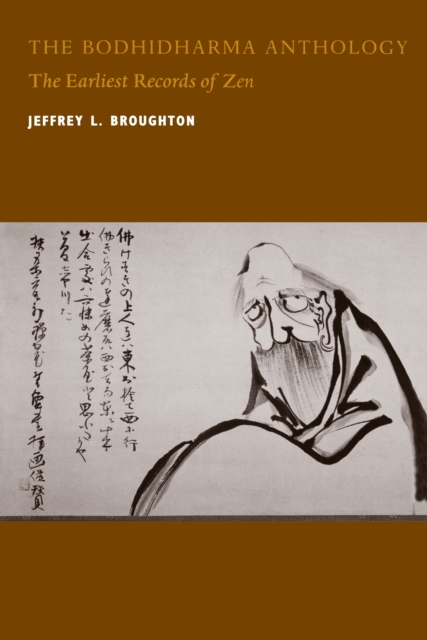
In the early part of this century, the discovery of a walled-up cave in northwest China led to the retrieval of a lost early Ch'an (Zen) literature of the T'ang dynasty (618-907).
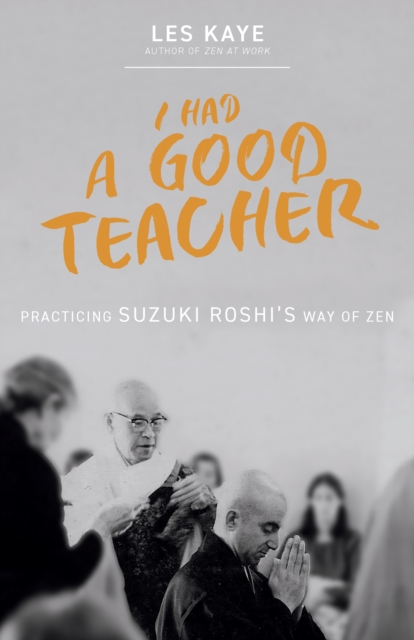
ASpirituality & PracticeBest Spiritual Book of 2025Longtime Zen abbot shares the wisdom of his teacher, who brought Zen to the West and wrote the classic Zen Mind, Beginner's MindI Had a Good Teacherinterweaves Les Kayes Dharma talks with personal stories to reveal the subtleties of integrating Zen practice into a life of work and family.
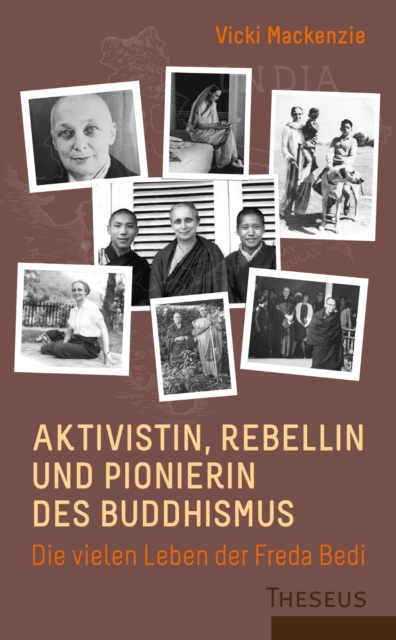
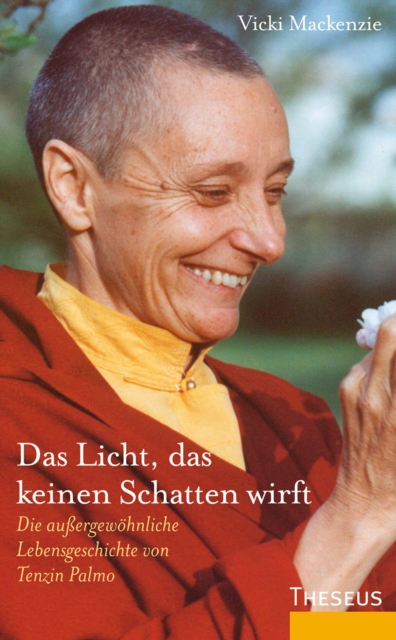
Sie war die erste westliche Frau, die tibetisch-buddhistische Nonne wurde, doch diese Ordination war nur eine Etappe in einem Leben voller revolutionärer Taten.
Einführung in die MeditationFür viele Menschen waren die Bücher des international bekannten Autors Alan Watts bereits in den 60er und 70er Jahren der Einstieg in Buddhismus und Zen.
Die außergewöhnliche Lebensgeschichte von Tenzin PalmoDie Lebensgeschichte einer der ungewöhnlichsten und mutigsten Frauen unserer Zeit: Wie die Tochter eines Fischhändlers aus dem Londoner East End zu einer buddhistischen Legende wurde und zur Vorkämpferin für das Recht der Frauen, spirituelle Erleuchtung zu erlangen.
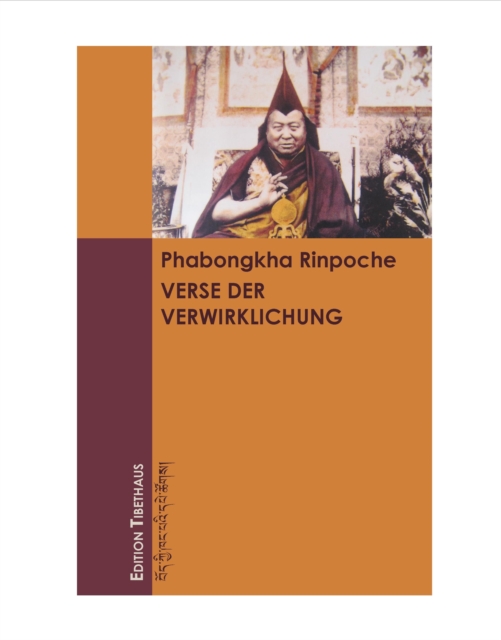
Die Verse der Verwirklichung sind kürzere, oft als Gedicht verfasste, Briefe und Lieder, in denen der große Meister Phabongkha Rinpoche (1878 bis 1941) seine innere Erfahrung auf sehr direkte Weise zum Ausdruck bringt.
Bedeutende Zen-Geschichten über Schüler berühmter Zen-Meister sind der Aufhänger für eine Reflexion über Meditation und das Leben an sich; mit all seiner Heiterkeit, die es auch für uns bereit hält.