Die weltweit bekannte Meditationslehrerin Tara Brach vereint in diesem Ratgeber zur Persönlichkeitsentwicklung Weisheitsgeschichten aus dem Buddhismus, selbst Erlebtes und alltagstaugliche Meditationen.
Die großen buddhistischen Weisheitstexte über die Liebe alltagsnah erklärt vom weltweit bekannten Zen-LehrerWie können wir unsere Beziehungen liebevoller und ehrlicher gestalten und mit Konflikten konstruktiver umgehen?
"Dieses Buch zeigt lebhaft, dass selbst angesichts der größten Widrigkeiten, Mitgefühl und warmherzige Sorge um andere Frieden und innere Stärke bringen.
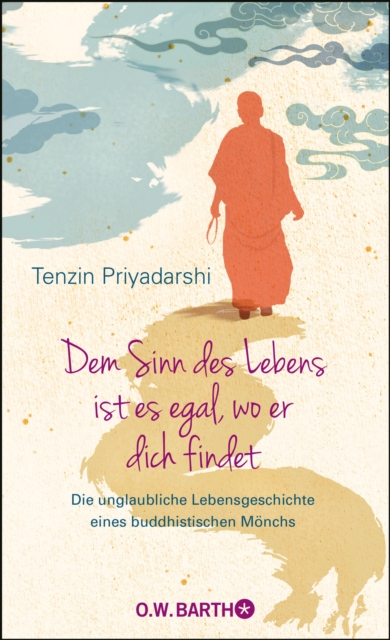
Faszinierend erzählte Lebensgeschichte und Buddhismus-Einführung in einem: Der Weg vom Hindu-Jungen zu einem international anerkannten buddhistischen Lehrer ist am Anfang voller Hindernisse.
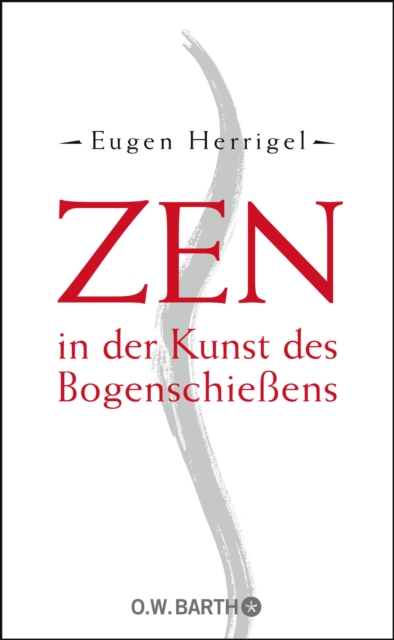
Wie kaum ein anderer Europäer ist Eugen Herrigel nicht nur intellektuell, sondern auch durch eigene Erfahrung in den Geist und die Praxis des Zen eingedrungen.
Der praktische Lebensratgeber von dem international bekannten Gartenbau-Architekten und Zen-Mönch Shunmyo Masuno zeigt, wie man aus den alltäglichen Pflichten ein sinnvolles, freudiges Tun macht.
Der Bestseller des Dalai Lama zum Sinn des LebensDer Dalai Lama erklärt in diesem Ratgeber und zugleich Weisheitsbuch die Voraussetzungen für ein sinnvolles Leben - und was jeder dafür tun kann.
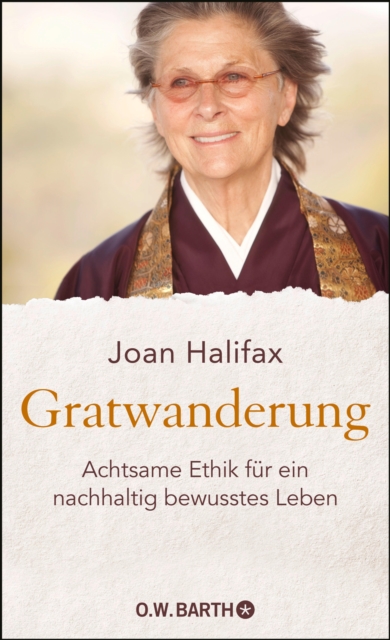
Die Zen-Meisterin und große Friedensaktivistin Joan Halifax hat die fünf Kerneigenschaften erforscht, die echte Charakterstärke und gelebte Spiritualität verkörpern: Altruismus, Empathie, Integrität, Respekt und Engagement.
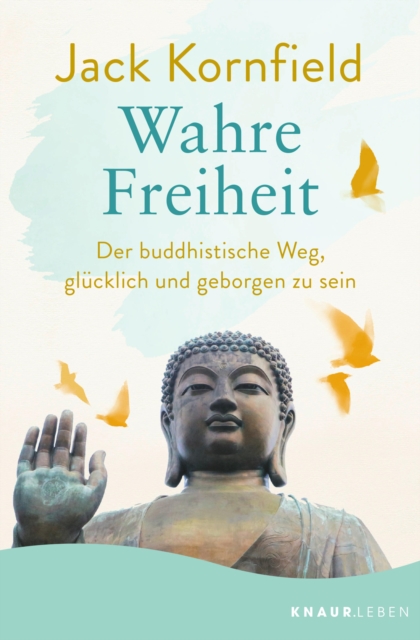
Der weltbekannte Meditationslehrer Jack Kornfield präsentiert in Wahre Freiheit eine zeitlose Botschaft: Wir können in jedem Augenblick innerlich frei und in Frieden sein – auch wenn wir gerade einen schwierigen Moment haben.
Durch die Endlichkeit des Lebens das Wunder im Augenblick entdecken Frank Ostaseski ist der bedeutendste Vertreter der Hospizarbeit und Sterbebegleitung in den USA.
Seit Jahrtausenden benutzen die Menschen Kraftworte, Formeln oder heilige Silben, um in ihr Inneres einzutauchen und in Resonanz mit dem Göttlichen zu kommen.
In seiner Lehre vom Einen Geist hat Huang-po die "Leerheit", den Kernbegriff des Mahayana-Buddhismus, auf eine einmalig klare und lebensnahe Weise erklärt.
Diese Frage stellt sich der kleine hässliche Mann – und auch uns ist diese Frage nicht fremd: »Beschreite neue Wege und lass los, was du festhältst«, tönt es in seinem Herzen.