Ernest Holmes, founder of the "e;Science of Mind"e; philosophy, synthesized his teachings from the world's great religions, scripture and philosophical books.
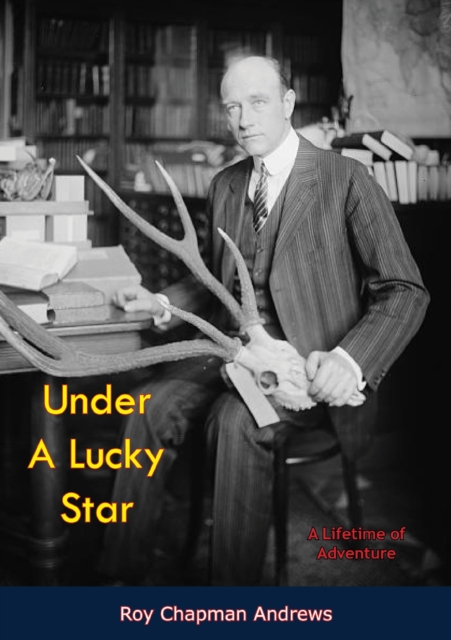
This is a record of adventures, and of achievements in the face of supposedly insuperable obstacles, which is thrilling by reason of the size and color and significance of the events.
This book by Shirley Plessner, which was first published in 1956, was compiled in response to numerous requests for informative material about the symbols, terms, and stories of the Order of Eastern Star.
In The Land of Light, which was first published in 1959, Professor Hilton Hotema has correlated all of the various interpretations of the works on the Tarot into one harmonious whole.
In the Great Mystic Symbolic Tetragrammaton of the Ancient Masters we have one of their deepest secrets; the discovery of what the Masters called the Sacred Four Elements, as they found that these elements enter into the constitution of everything known.
AT THE time of my parting with the Rishi, after seven years of study under him, and when I thought I knew it all, he, placing his hand on my shoulder said:'Go forth, my son, into nature's schoolhouse and learn, for at present you know nothing except how to learn.
THE purpose of this book is to present to the student of Theosophy a condensed synthesis of the information at present (1926) available concerning the Astral Body of man, together with a description and explanation of the astral world and its phenomena.
Originally published in 1954, Creative Realism: A New Method of Winning provides a simple process of self-hypnosis whereby you can free the mind from its fragmentation in the subconscious.
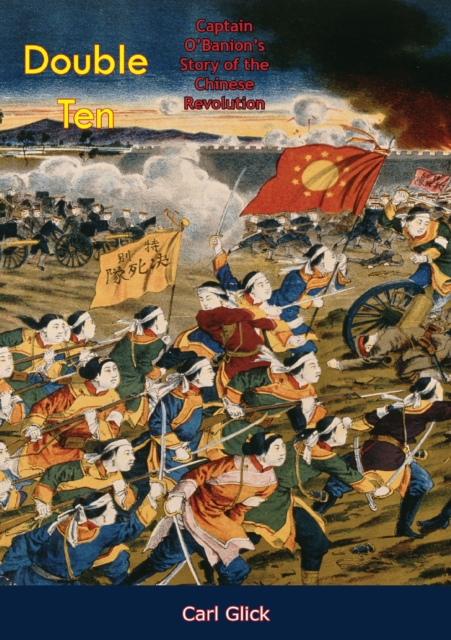
The struggle in China between the Manchus and the old Ming Dynasty had been going on for over three centuries when Captain Ansel O'Banion signed his name in blood to the secret oath with the Po Wong Wui and became involved in the Chinese revolutionary movement.
All the world knows that Roy Chapman Andrews is the discoverer of the dinosaur Eggs, for these small and fragile relics of an inconceivably remote past fired the public's imagination and were the sensation of their day.
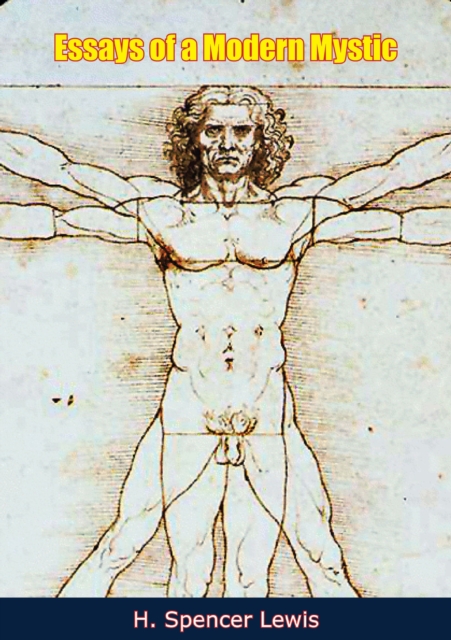
The contents of these essays touch the fundamentals of human interest, such as birth, man's mission, his concern with the afterlife, and practical problems of ethics and morals.
First published in 1929, this is a study of the occult aspects of human physiology by Manly Palmer Hall (1901-1990), a Canadian-born occultist, mystic and author best known for his book, The Secret Teaching of All Ages, published one year earlier.
Ira Rechtshaffer unpacks the Buddhist map to personal transformation with psychological sophistication, offering fresh insights into the complexity of personality and the challenge of intimacy in relationships.
Drawing on South and East Asian philosophies and medicines, this book illustrates how our bodies and minds are influenced by our actions, habits, aging, trauma and thought patterns.
Immersing the mind with the concepts of the Daoist path of health and immortality, Clouds over Qingcheng Mountain invokes the sacred birthplace of one of China's mystical mountains that has stimulated both mind and body for generations.
First published in 1955, this book follows on from author Max Freedom Long's previous publications on Huna magic, here providing the reader with a workbook to strengthen their skills through daily practice.
"e;Like many another mariner shipwrecked on this shoal of time, I have always been on the lookout for rescuing sails on the metaphysical horizon-that is, for some resolving and revelatory teaching which should make possible the practical realization of one's spiritual life, the sense of which is no less sure and abiding than the sense of one's physical ephemerality and impotence.
After some years of careful study in the endeavour to fix the special planetary influence attached to each degree of the Zodiac, author Isidore Kozminsky is at length enabled to present the result of his researches in this direction for the consideration of the many sincere students who find in astrology a safe and sure foundation upon which to build the temple of world enlightenment, which the approaching true civilization will demand.
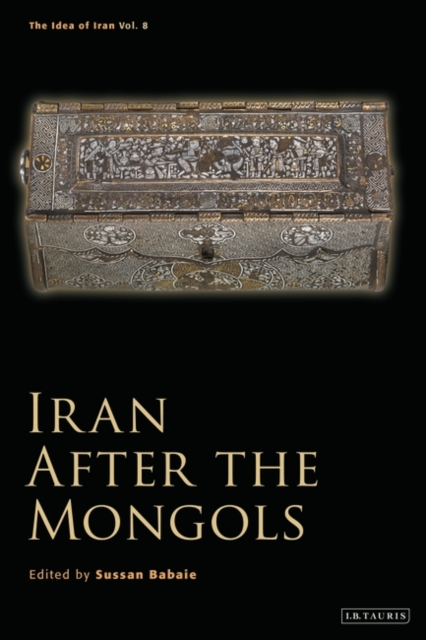
Following the devastating Mongol conquest of Baghdad in 1258, the domination of the Abbasids declined leading to successor polities, chiefly among them the Ilkhanate in Greater Iran, Iraq and the Caucasus.
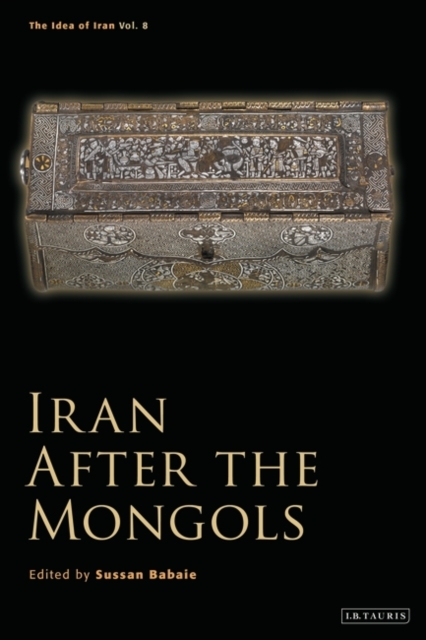
Following the devastating Mongol conquest of Baghdad in 1258, the domination of the Abbasids declined leading to successor polities, chiefly among them the Ilkhanate in Greater Iran, Iraq and the Caucasus.
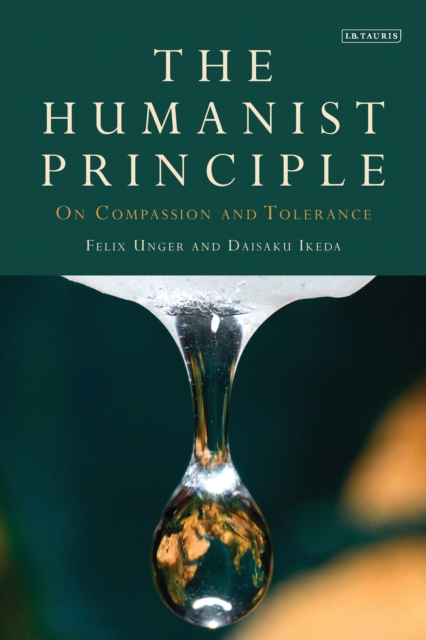
For every year since 1983 the Buddhist leader and thinker, Daisaku Ikeda, has issued a peace proposal that presents solutions to a variety of global problems.