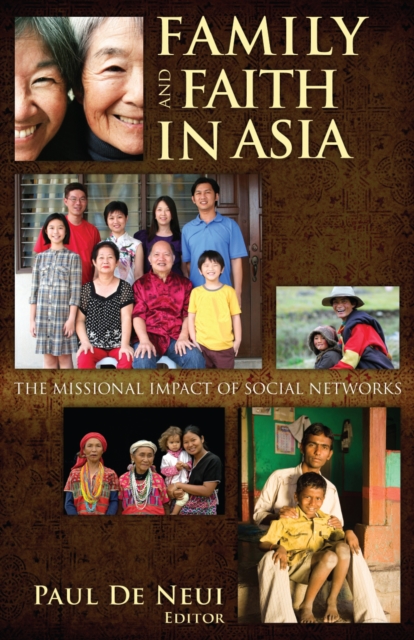
The Missional Impact of Social NetworksIf Christian mission in Asia and most of the non-Western world is ever to advance, it must seriously consider the importance of family networks.
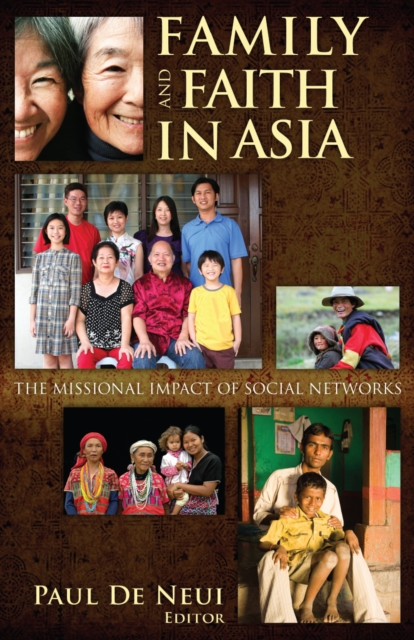
The Missional Impact of Social NetworksIf Christian mission in Asia and most of the non-Western world is ever to advance, it must seriously consider the importance of family networks.
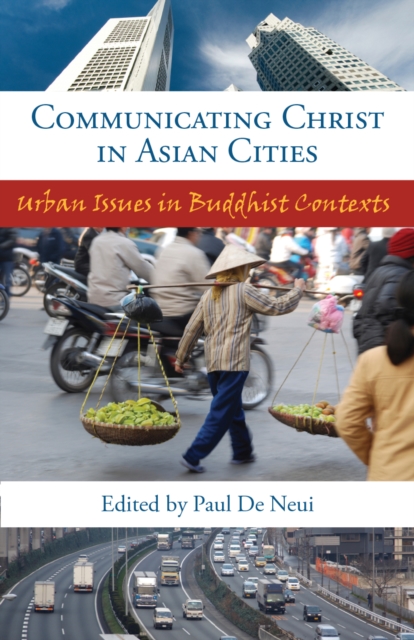
Urban Issues in Buddhist ContextsCommunicating Christ in Asian Cities: Urban Issues in Buddhist Contexts is the sixth volume in a series produced from the annual SEANET Missiological Forum held in Chiang Mai, Thailand.
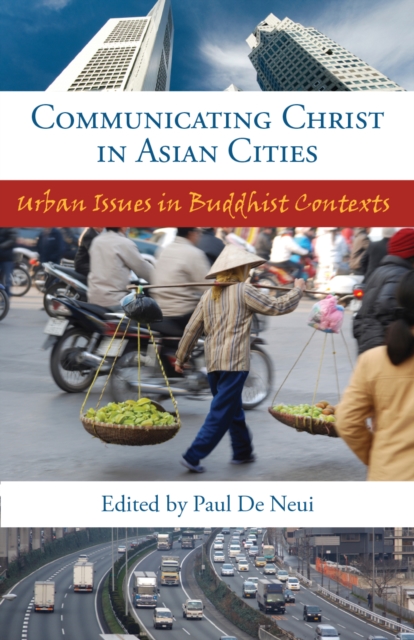
Urban Issues in Buddhist ContextsCommunicating Christ in Asian Cities: Urban Issues in Buddhist Contexts is the sixth volume in a series produced from the annual SEANET Missiological Forum held in Chiang Mai, Thailand.
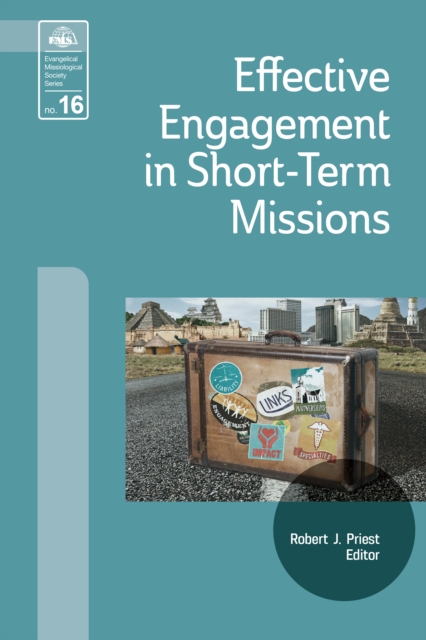
Effective Engagement in Short-term Missions represents the single most ambitious effort to date to understand and improve upon patterns of ministry in STM.
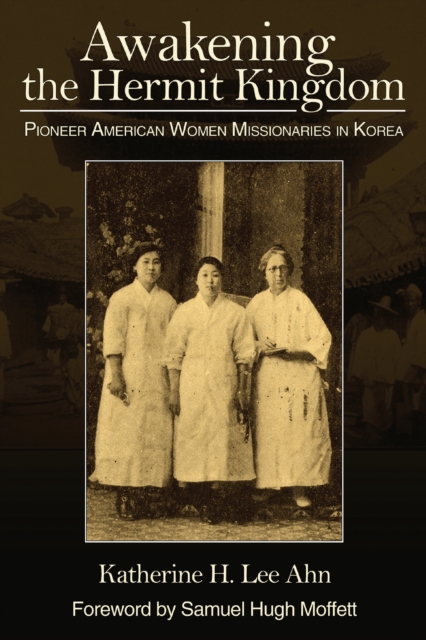
Pioneer American Women Missionaries in KoreaAwakening the Hermit Kingdom: Pioneer American Women Missionaries in Korea gives a focused look at the long-ignored subject, the pioneer women missionaries to the Hermit Kingdom, as the early missionaries often called Korea.
Navigating Financial Tensions in Asian MissionsWhat happens when an expatriate missionary is thrust into a context where the standard of living is so divergent that perceived or actual wealth suddenly becomes the strongest draw of attraction?
The Paradigm of Missionary IdentityIn the past we have focused on the why of missions in terms of motives, the what of missions in terms of the content of the message, and the how of missions in terms of methodologies and strategies, but the where question, in terms of where we send cross-cultural workers, has simply been assumed; it has meant crossing a geographic boundary.
Fed up with teenage life in the suburbs, Jaimal Yogis ran off to Hawaii with little more than a copy of Hermann Hesse's Siddhartha and enough cash for a surfboard.
12 Steps on Buddha's Path is an inspiring firsthand account of what happens when life seems hopeless and the miracle of finding out that it's anything but.
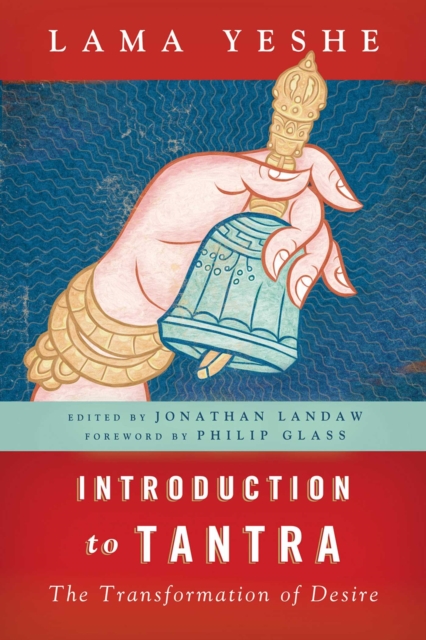
In the classic bestseller, Introduction to Tantra, Lama Yeshe offered a profound and wonderfully clear glimpse into the sophisticated practices of Tibetan Buddhist tantra.
In The Gateless Gate, one of modern Zen Buddhism's uniquely influential masters offers classic commentaries on the Mumonkan, one of Zen's greatest collections of teaching stories.
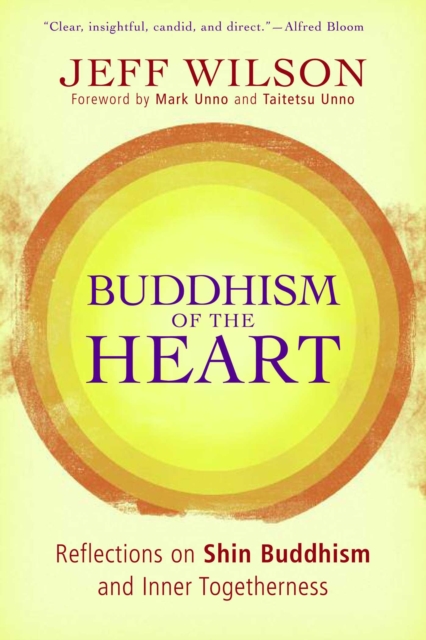
Jeff Wilson started his walk on the Buddha's path as a Zen practitioner - taking up a tradition of vigorous self-effort, intensive meditation, and meticulous attention to rectitude in every action.
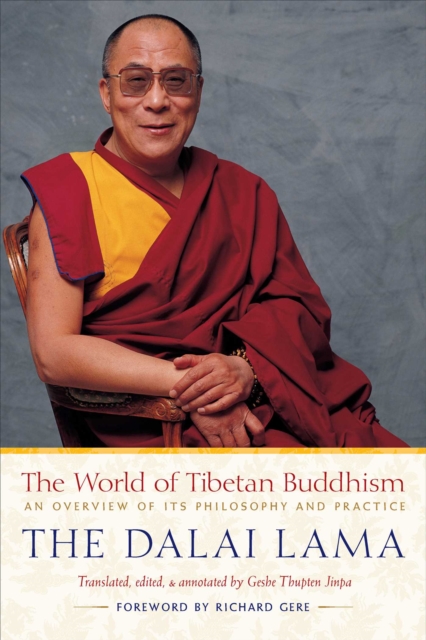
With characteristic humility, His Holiness the Dalai Lama begins this landmark survey of the entire Buddhist path by saying, "e;I think an overview of Tibetan Buddhism for the purpose of providing a comprehensive framework of the path may prove helpful in deepening your understanding and practice.
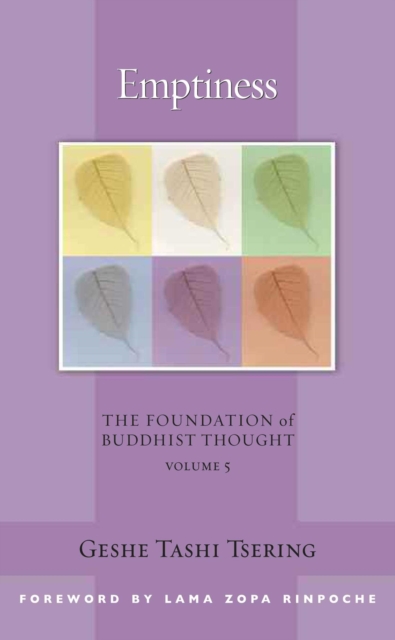
In Emptiness, the fifth volume in The Foundation of Buddhist Thought series, Geshe Tashi Tsering provides readers with an incredibly welcoming presentation of the central philosophical teaching of Mahayana Buddhism.
This new volume from the Foundation of Buddhist Thought series, provides a stand-alone and systematic - but accessible - entry into how Buddhism understands the mind.
This book offers a complete translation of the Majjhima Nikaya, or Middle Length Discourses of the Buddha, one of the major collections of texts in the Pali Canon, the authorized scriptures of Theravada Buddhism.
This book offers a complete translation of the Digha Nikaya, the long discourses of the Buddha, one of the major collections of texts in the Pali Canon, the authorized scriptures of Theravada Buddhism.
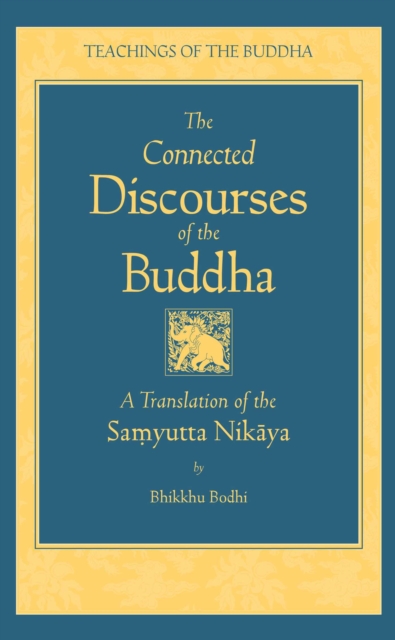
This volume offers a complete translation of the Samyutta Nikaya, The Connected Discourses of the Buddha, the third of the four great collections in the Sutta Pitaka of the Pali Canon.
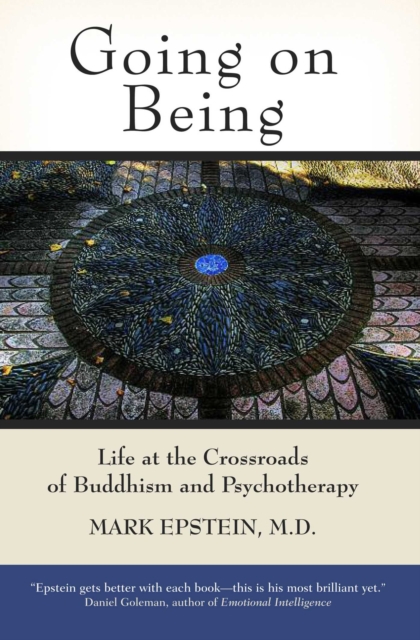
Before he began training as a psychiatrist, Mark Epstein immersed himself in Buddhism through influential teachers such as Ram Dass, Joseph Goldstein, and Jack Kornfield.
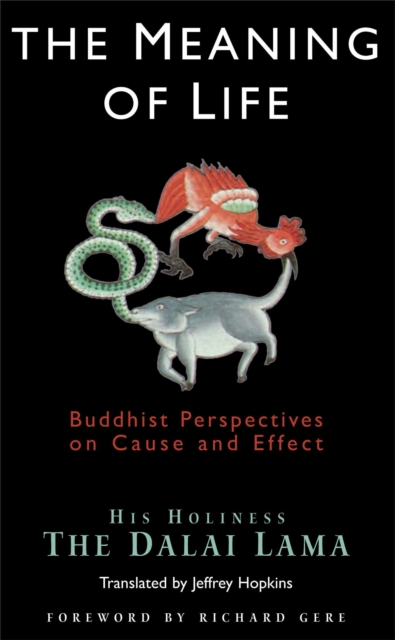
Using the traditional Buddhist allegorical image of the Wheel of Life and the teaching of the twelve links of dependent origination, the Dalai Lama deftly illustrates how our existence, though fleeting and often full of woes, brims with the potential for peace and happiness.