Over the past century, the Pentecostal and Charismatic movements have transformed the global Christian landscape with their emphasis on personal encounters with God.
Over the past century, the Pentecostal and Charismatic movements have transformed the global Christian landscape with their emphasis on personal encounters with God.
Mason carefully develops a theology of prayer that builds on the dogmatic and moral theology of one of the most significant Reformed theologians of the past 50 years: John Webster.
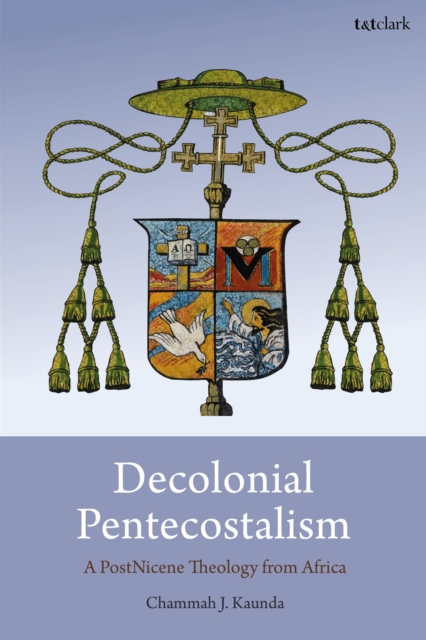
The book presents a bold and transformative exploration of how Pentecostal theology can be revitalized by critically engaging with the Nicene Creed through the lens of African spirituality and decolonial thought.
Mason carefully develops a theology of prayer that builds on the dogmatic and moral theology of one of the most significant Reformed theologians of the past 50 years: John Webster.
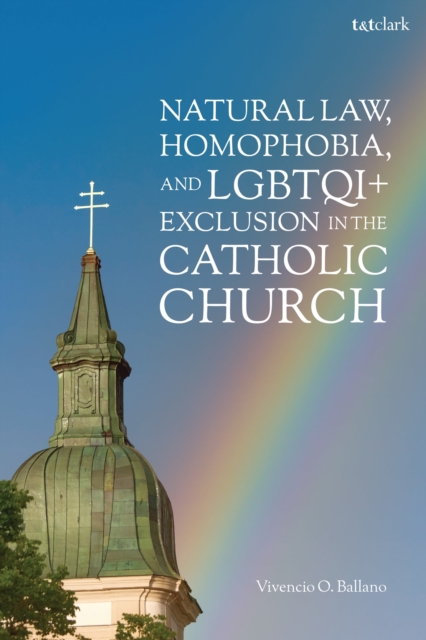
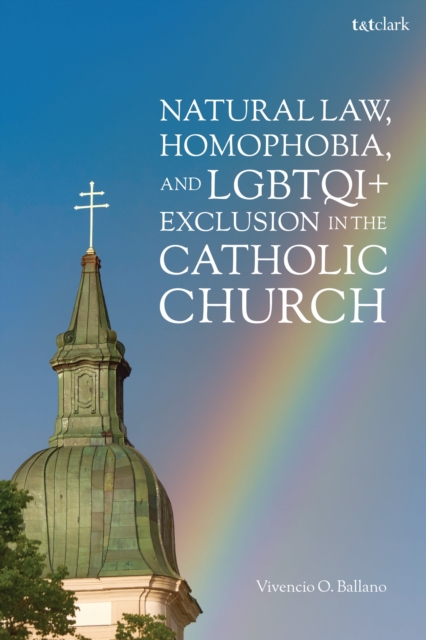
Why can't the Catholic Church fully accept gender diverse LGBTQI+ members as 'normal' Catholics, despite Pope Francis's compassion for the gay community?
Why can't the Catholic Church fully accept gender diverse LGBTQI+ members as 'normal' Catholics, despite Pope Francis's compassion for the gay community?
Over the past twenty years the American Catholic bishops have played a leading role in the antiabortion movement, published lengthy and highly detailed pastoral letters on nuclear weapons and on the American economy, and involved themselves, collectively and individually, in several national election campaigns.
Beginning with the conversion of Constantine in 312 and the establishment of the Christian Empire, the book continues through the Middle Ages up to the publication of Gratian's Decretum, the great, systematic book of Church law which transformed the idea of tradition into legal concepts.
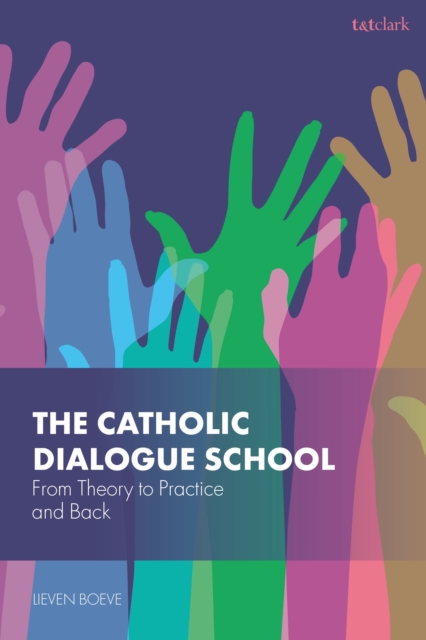
Based on diligent theological work and practical experience, Boeve explores how Catholic schools can reconfigure their identity in an increasingly secular and pluralised world.
Eric Hanson's multifaceted book examines the place of the church in the contemporary international system and the reciprocal influence of modern political and technological developments on the internal affairs of the church.
Calvin's eucharistic doctrine has been approached in the past from the standpoint of his polemic with the Lutherans and the Zwinglians, but Father McDonnell believes that Calvin's primary position was determined by his rejection of Roman Catholicism.
This book provides a comprehensive collective biography of the parish priests in one diocese--their origins, education, and careers: their relationship with their parishioners; and the process by which they were politicized prior to 1789.
Extracted from Pacifism in the United States, this work focuses on the significant contribution of the Quakers to the history of pacifism in the United States.
The Lord JESUS CHRIST of Nazareth, just before concluding HIS earthly ministry and service, made a startling announcement to HIS chosen servants and disciples as recorded in the Gospel of St.
Moving beyond earlier explanations of why the Protestant church opposed the Weimar Republic, David Diephouse emphasizes the social role of the church rather than its direct political activity.
In the midst of the fierce controversies raging in France over the papal bull Unigenitus, worshipers at the tomb of a revered Jansenist deacon in Paris's Saint-Medard cemetery witnessed a variety of miraculous occurrences.
Unterrichtsentwurf aus dem Jahr 2024 im Fachbereich Didaktik - Theologie, Religionspädagogik, , Sprache: Deutsch, Abstract: Die folgende Unterrichtseinheit (didaktischer Entwurf und Unterrichtsmaterialien) behandelt das Thema Martin Luther und seinen Protest gegen die katholische Kirche.
Forschungsarbeit aus dem Jahr 2024 im Fachbereich Didaktik - Theologie, Religionspädagogik, Note: 1,3, Universität Bielefeld, Veranstaltung: Praxissemester, Sprache: Deutsch, Abstract: Wie stellen sich Kinder einer 2.
Masterarbeit aus dem Jahr 2023 im Fachbereich Theologie - Religion als Schulfach, Note: 1,0, Leuphana Universität Lüneburg, Sprache: Deutsch, Abstract: Der Wunsch eines Menschen, selbstbestimmt zu sterben, ist weit umstritten.
Unterrichtsentwurf aus dem Jahr 2024 im Fachbereich Didaktik - Theologie, Religionspädagogik, Note: 1,0, Seminar für das Lehramt an Gymnasien und Gesamtschulen Rhein-Sieg, Troisdorf, Veranstaltung: Examensstunde, Sprache: Deutsch, Abstract: Die Unterrichtseinheit zur neutestamentlichen Perikope „Der Zöllner Zachäus“ ermöglicht Schüler:innen, sich mit der Situation ausgegrenzter Menschen auseinanderzusetzen und diese auf ihre Lebenswelt zu übertragen.
Unterrichtsentwurf aus dem Jahr 2024 im Fachbereich Theologie - Religion als Schulfach, , Sprache: Deutsch, Abstract: In dieser Unterrichtseinheit wird exemplarisch anhand mehrerer Psalmen (u.